Kurze Hose
This lecture emphasizes that genuine access to the essence of the Quran is only possible through self-purification. The speaker highlights a lament about humanity’s disregard for this immense blessing – neglecting to read, understand, implement, or make the Quran a guiding principle in life. Instead, many actively reject it, shaping their own unfortunate destiny through denial. The core message is a call to prioritize internal purification to unlock the true meaning and benefits of divine revelation.

609
This reflection acknowledges the inevitability of setbacks and failures in life's endeavors. It encourages proactive preparation for hardship, framing success as a bonus rather than an expectation. The core message emphasizes continuous effort and resilience, even in the face of repeated disappointments. It advocates for persistent work, nurturing hope, and seeking divine assistance, recognizing that struggle is a constant companion to growth and progress. The text urges acceptance of life's cycles, suggesting that after every loss, preparation for the next beginning is essential.
48
Dr. Israr Ahmad discusses the pervasive influence of materialism and self-interest within society and the spiritual elite. He contrasts genuine spiritual leadership, exemplified by the prophetic tradition of Moses, with the often-superficial authority of religious scholars. He argues that true spiritual power manifests as transformative action, while a lack of inner conviction results in ineffective leadership. The lecture highlights the dangers of outward displays of piety masking inner corruption and the importance of aligning actions with sincere belief. He references Iqbal’s poetry to emphasize the pursuit of spiritual fulfillment and the search for genuine guidance.
42
Human beings, like all animals, are driven by fundamental needs: sustenance and procreation. These base desires, originating from the *nafs* (ego/self), are inherently amoral, demanding satisfaction without regard for ethical considerations like *halal* (lawful) or *haram* (unlawful). The Quran emphasizes the need to control these primal urges. The human self is a source of both potential and temptation, requiring spiritual guidance and discipline to avoid succumbing to base instincts. This lecture explores the nature of these desires and the importance of self-control in Islam.
65
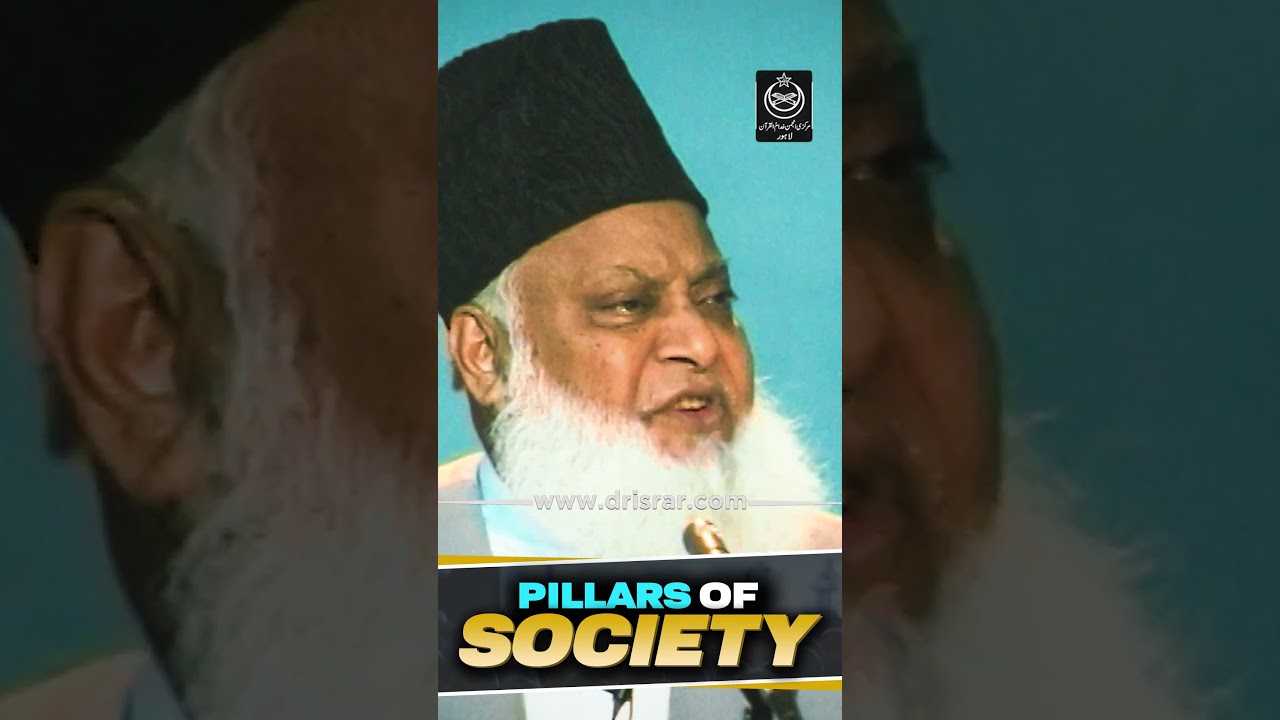
This lecture analyzes the power dynamics within a political system, asserting that media, particularly television, has become a dominant force, exceeding the influence of the traditional fourth estate. It argues that media outlets, especially those controlled by specific interests, shape public opinion and restrict independent thought. The speaker contends that this control effectively holds the nation hostage, dictating beliefs and perspectives. The analysis ultimately suggests a reduction in the pillars of power from four to three – the executive, judiciary, and legislature – due to the manipulative power of modern media.
38
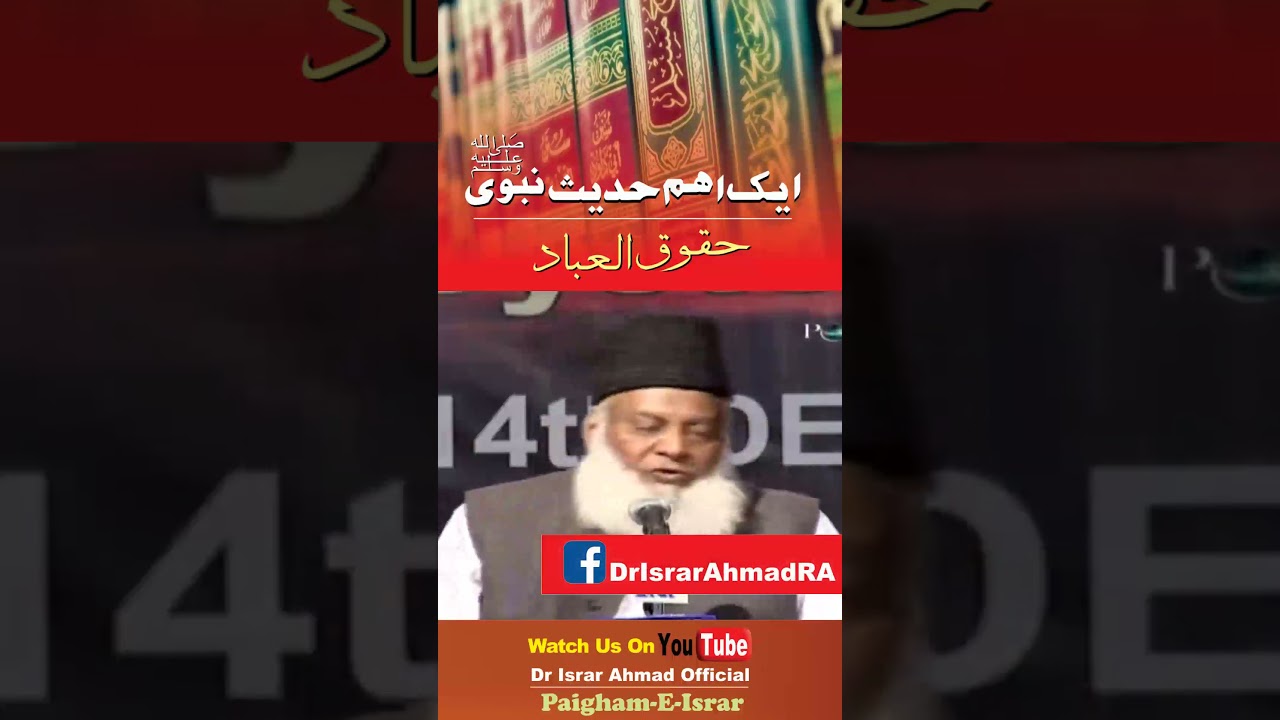
The Prophet Muhammad (peace be upon him) once asked his companions about bankruptcy. They defined it as a lack of wealth. The Prophet corrected them, stating the true bankrupt in his nation will be the one who comes with a large number of prayers, fasts, and pilgrimages, but also with the burdens of having wronged others – having insulted someone, unjustly taken their wealth, or falsely accused them. On the Day of Judgment, these wronged individuals will present their claims, depleting the bankrupt’s good deeds. If the deeds are insufficient, their sins will be transferred to them, leading to their destruction in Hell. This is the true meaning of bankruptcy – a spiritual and moral deficiency.
50
