Calção
This lecture explores the profound impact of consistent Quranic recitation on the purification of the self. It details how deep contemplation and repetition remove intellectual and philosophical errors, dismantling false beliefs and flawed ideologies. True purification manifests not in outward cleanliness, but in the correction of inner thought and the alignment of actions with divine guidance. The speaker emphasizes that a focus on the afterlife fosters cautious behavior, mindful speech, and a commitment to earning a lawful livelihood. This process, rooted in the teachings and example of the Prophet Muhammad, peace be upon him, cultivates a life guided by truth, accountability, and a fear of divine judgment. It is a transformation from heedlessness to awareness, from worldly desires to spiritual fulfillment.

63
This lecture explains the hadith stating that Muslims should be mirrors to one another. This means Muslims should respectfully and compassionately point out each other’s flaws, not to demean, but to facilitate self-improvement. This guidance emphasizes delivering constructive criticism with kindness, sincerity, and a genuine desire for the other’s betterment. The focus is on offering advice from a place of goodwill, devoid of arrogance or self-righteousness, and with a spirit of empathy and heartfelt concern.
57
On the Day of Judgement, disbelievers will lament their past actions, begging for a second chance to worship and obey God, promising to abstain from evil. They will be reminded of how they mocked the early believers – the poor, slaves, and needy – who were steadfast in their faith. God declares He has rewarded their patience today, affirming they are the true victors and will enter Paradise. This highlights the ultimate triumph of faith over worldly status and the importance of perseverance in the face of adversity.
57

This lecture discusses the fundamental belief that adhering to the principles of Islam in this world will secure salvation in the afterlife. It emphasizes that recognizing God through innate disposition and reason, accepting the Prophet’s call, and living a life of faith establishes one as among the most honorable of humanity. The speaker argues that a sincere connection with the divine, established through both intuition and intellect, guarantees a reserved place in Paradise.
58
The lecture elaborates on the significance of Laylat al-Qadr, stating its inherent greatness lies in the divine decree of all matters being finalized on this night. It addresses the question of whether the day following Laylat al-Qadr shares in its sanctity. Based on Arabic linguistic traditions, the terms 'day' and 'night' often encompass the full twenty-four-hour cycle, implying the subsequent day is also included within the blessing and importance of this sacred occasion. The lecture clarifies this understanding within the context of divine timing and decree.
47
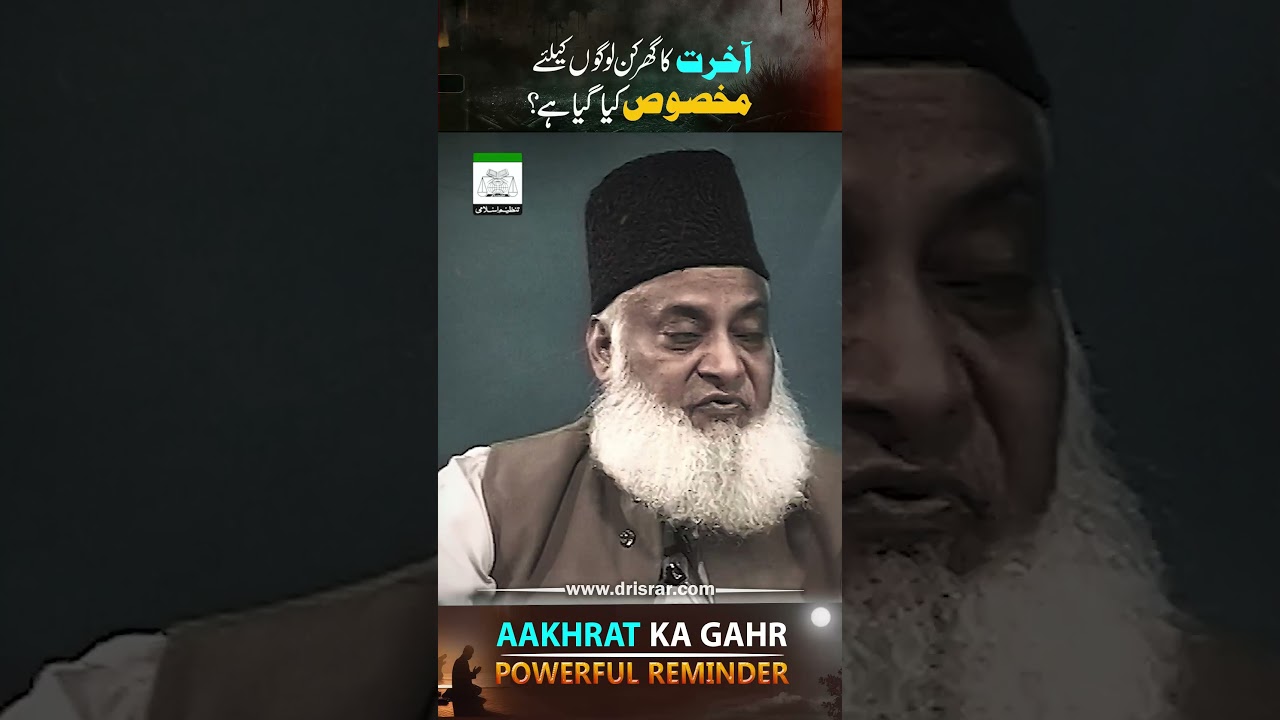
This lecture clarifies that the ultimate abode, the Hereafter, is reserved for those who abstain from seeking power, dominance, or causing corruption on Earth. It emphasizes that this eternal reward is specifically for the righteous—those who prioritize piety and abstain from worldly ambitions. The lecture highlights the promise of lasting peace, prosperity, and fulfillment in the Hereafter for those who live a life of devotion and righteousness, and that ultimate success and well-being are reserved for the God-conscious.
49
