Pantalones cortos
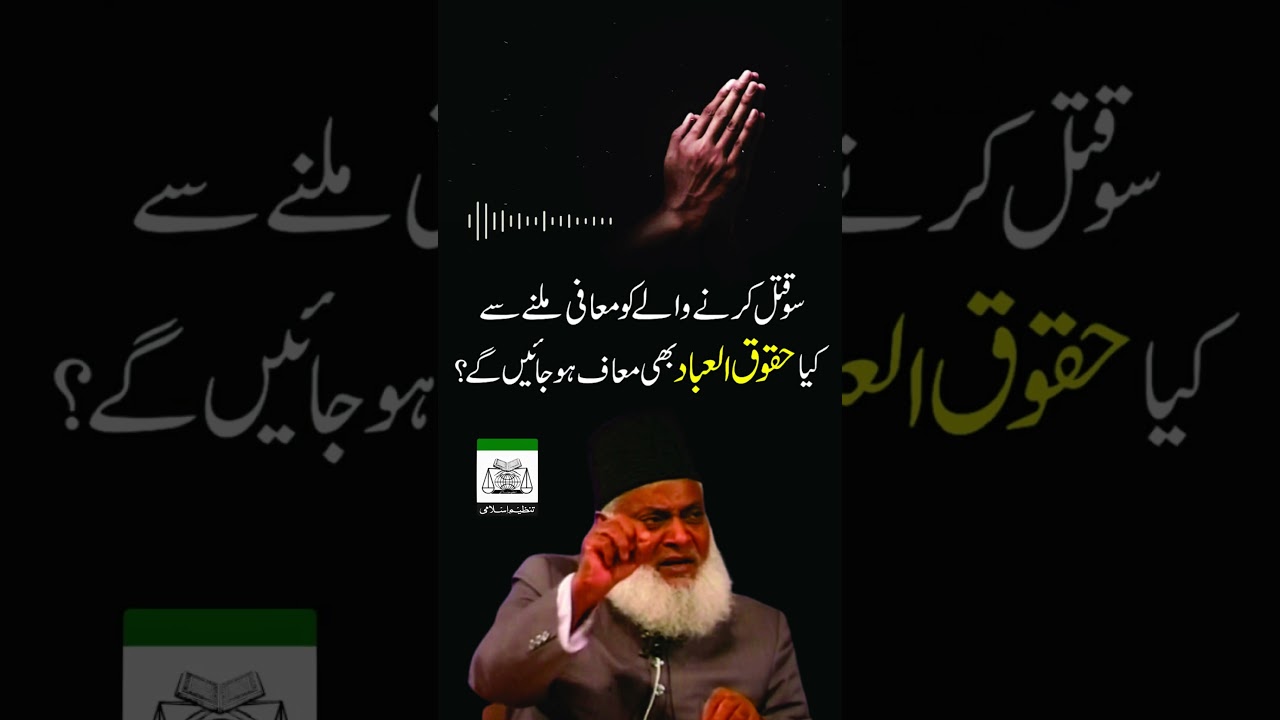
This lecture addresses the question of whether sincere repentance absolves a murderer of all consequences, both in this life and the afterlife. It clarifies that while Allah is merciful and can forgive, the rights of the victim ('diya') must be addressed. Repentance does not negate worldly justice; the perpetrator still faces legal consequences. True repentance stems from the depths of the heart and leads to divine forgiveness. Allah will compensate the victims in the hereafter from His vast treasures. The lecture emphasizes that repentance is a process, not a mere declaration, and does not exempt one from accountability for their actions.

71

This lecture details the fundamental tenets of faith in Islam. It covers belief in Allah, the prophets, the final prophet Muhammad (peace be upon him), revealed scriptures including the Quran, the Day of Judgment, accountability, life after death, Paradise, and Hell. The discussion highlights the extensive treatment of these topics within the Quran, particularly in its earlier Meccan verses.
66

True acceptance of prayer hinges on sincerity and a faithful relationship with God. Dedicate time, resources, and abilities to the faith. Consistent good deeds and supplication are encouraged; there are no restrictions on making dua. Avoid bargaining with God or treating faith as a transaction. Focus on consistent righteousness and a genuine connection with the divine.
61

During the Tabuk expedition, an Ansari companion, a poor laborer, worked tirelessly irrigating a Jewish man’s garden. He offered half of his earned dates as charity, presenting the other half to the Prophet Muhammad. Despite the vast supplies amassed for the campaign, hypocrites suggested the expedition would be incomplete without his contribution. The Prophet declared these few dates to be heavier in the sight of God than the entire amassed wealth, highlighting the sincerity of the companion's offering and the value of selfless devotion.
51

The history of Islam doesn't begin solely with the Prophet Muhammad ﷺ; its origins trace back to Prophet Adam. While the historical details from Adam to Moses are less preserved, the Israelites represent the first nation to emerge on the world stage. According to available knowledge, the Israelites were the first nation, and the final nation is the Ummah of Muhammad ﷺ. This lecture explores the historical lineage of Islam, emphasizing its continuity from the earliest prophets to the final messenger.
57

The presence of photographs within a home prevents angels from entering. This impacts the spiritual well-being of all inhabitants, hindering their worship. While angels of mercy refrain from entering homes displaying images, recording angels remain present. The prohibition stems from a divine disapproval of pictorial representations, serving as an expression of displeasure. The issue is one of religious preference, not a strict legal matter. Displaying pictures is discouraged, but not considered a fatal flaw in faith.
80
