短裤
A traveler in the desert loses his camel, carrying all his provisions and means of transport. After a desperate search, he encounters death itself. Overwhelmed with relief, he proclaims gratitude to God for this encounter, recognizing his own insignificance and God’s grace. This parable illustrates the immense joy God feels when a sinful servant repents, exceeding even the joy experienced by the traveler at finding ‘death’.

54
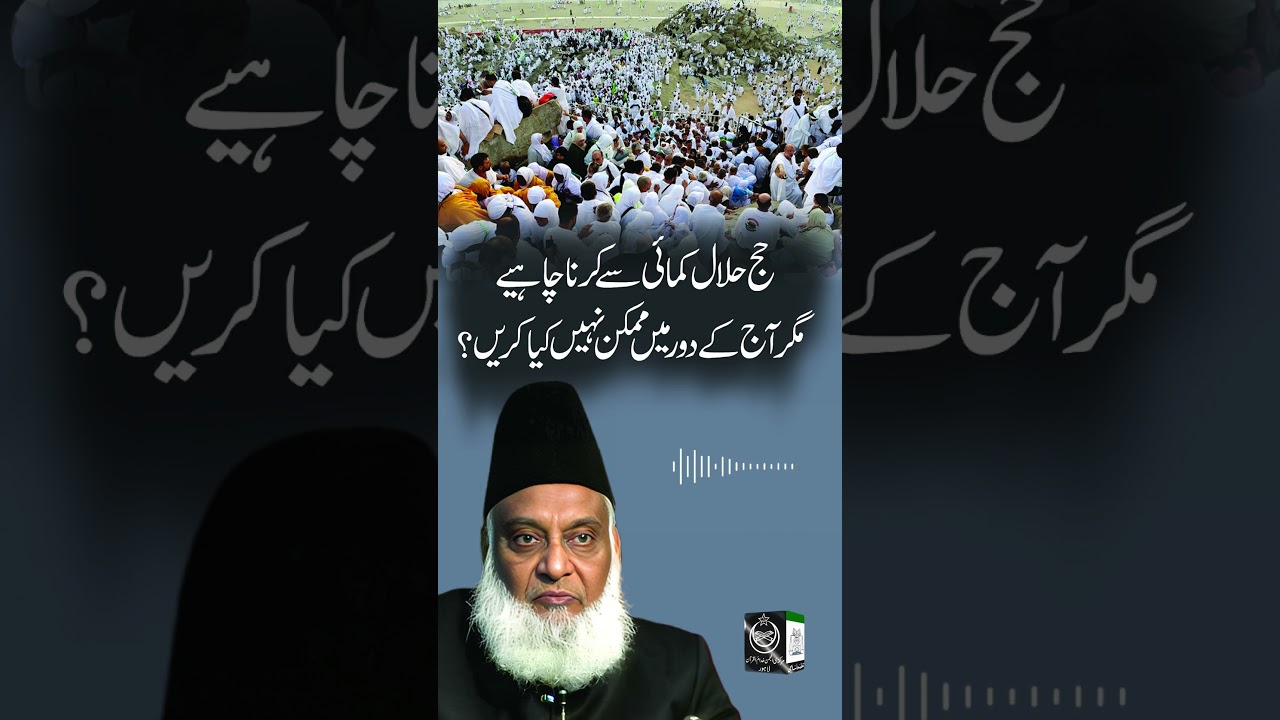
Performing Hajj and other religious obligations requires wealth earned through lawful means. Acquiring purely halal income is challenging in modern times due to pervasive indirect involvement with interest. Ambient interest exists in the air we breathe and the food we consume, which is considered a general impurity and doesn’t necessarily invalidate a transaction. Direct involvement, such as taking loans with interest to build homes or businesses, or depositing money to earn interest, is unequivocally forbidden. However, unintentional mistakes are forgivable, as God is Merciful and Pardoning. Focusing on acquiring halal income and avoiding strictly prohibited actions is paramount.
56

This lecture defines true obedience (itaat) as willing and joyful adherence to the commands of Allah and His Messenger. It distinguishes between obedience stemming from inner willingness and actions performed under compulsion. Genuine obedience manifests in all aspects of life – actions, movement, gaze, and hearing – aligning entirely with divine guidance. Every deed, every step, every glance, and every sound should reflect submission to Allah and His Prophet, ensuring complete conformity to their commands. This entails a conscious effort to avoid any action that displeases Allah or contradicts His teachings.
46
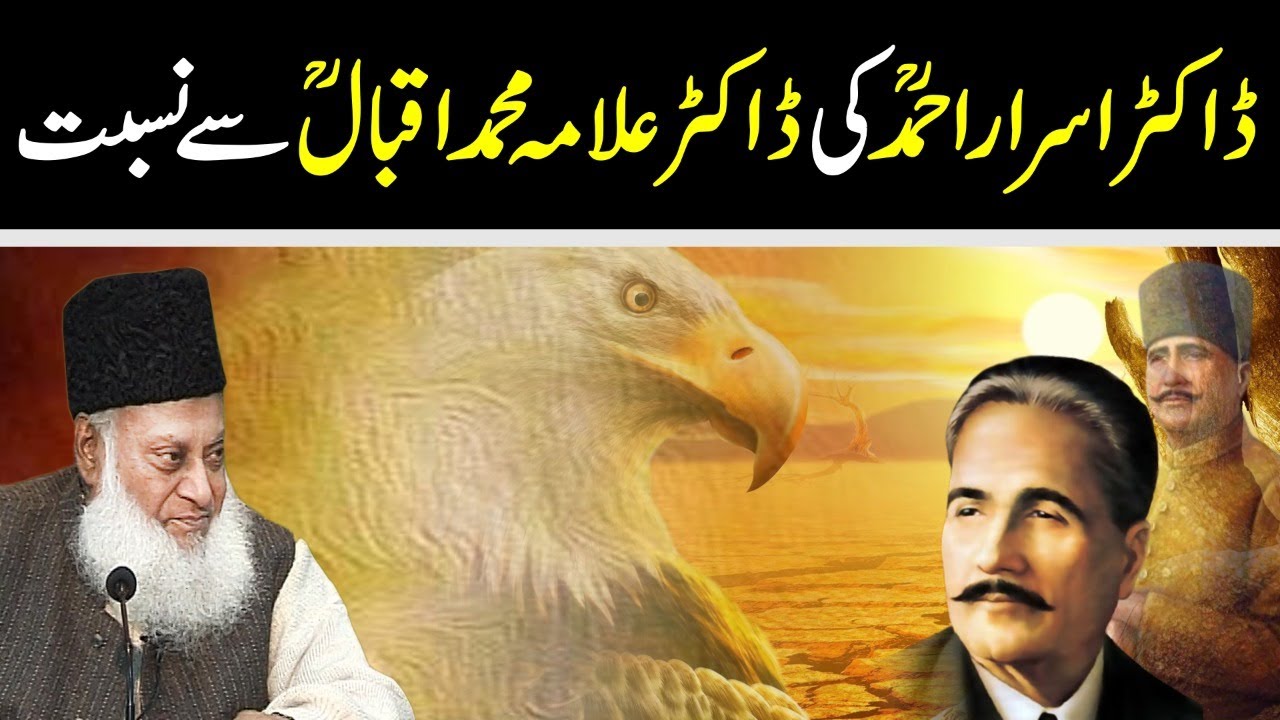
Dr. Israr Ahmad discusses Allama Iqbal’s vision for the Muslim Ummah, his early exposure to Islamic teachings, and the connection between his poetry and the Quran. He details the establishment of an organization fulfilling Iqbal’s dream of combining Quranic study with modern education, and the principles behind the founding of an organization dedicated to practicing Muslims committed to Quranic principles. He also explains the reasons behind the failure of the establishment of Jamaat-e-Islami and the founding of Tanzeem-e-Islami. Dr. Ahmad emphasizes the importance of prioritizing faith and practice over political engagement and adhering to a system based on commitment rather than elections. He shares his personal connection with Iqbal’s legacy and his commitment to continuing his work.
87

This lecture emphasizes the importance of financial moderation, differentiating between frugality and extravagance. Extravagance is considered more detrimental than miserliness, defined as unnecessary expenditure beyond genuine need. The speaker cites the example of simple sustenance—bread and a single dish—as sufficient, contrasting it with excessive displays of food. The lecture strongly condemns wasteful spending motivated by showing off wealth, such as lavish homes with excessive electricity consumption, labeling it a grave sin. The core message promotes a balanced approach to spending, prioritizing necessity over ostentation.
39
The Quran states that true believers possess an intense love for God. This love surpasses all other affections, even those for family. The Prophet Muhammad (peace be upon him) emphasized that complete faith is unattainable unless he is more beloved to a person than their father, son, or all of humanity. This love is not merely an emotion but is manifested through obedience. However, obedience becomes true worship only when performed with a sincere and passionate devotion to God, driven by the spirit of divine love. It is the inner feeling of love that transforms acts of worship into a meaningful connection with the Divine.
84
