Pantalones cortos
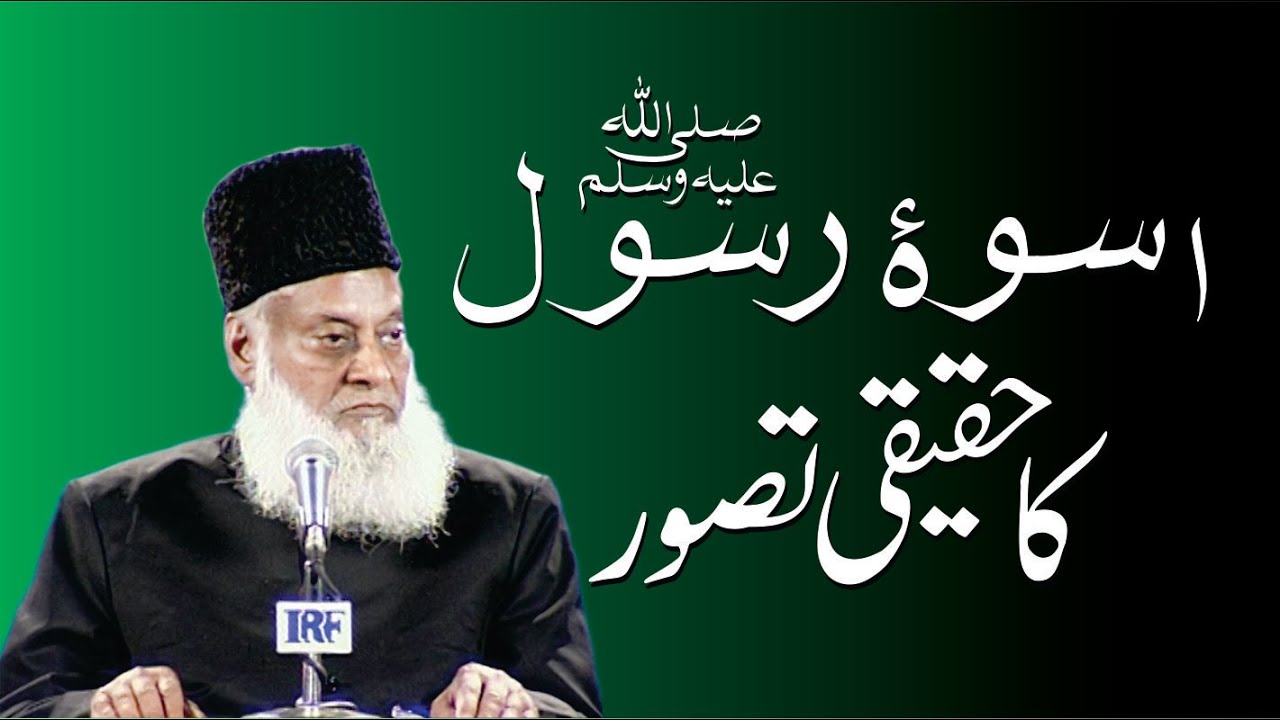
This lecture explores the life of Prophet Muhammad (peace be upon him) as a comprehensive model for life, emphasizing the struggles and sacrifices made to establish Islam. It highlights the importance of not just following superficial rituals, but embodying the spirit of striving for the dominance of God's religion in all aspects of life. The speaker stresses the need for individual and collective effort, drawing parallels between the Prophet's challenges and the current state of the Muslim community. True devotion lies in aligning one's actions with the Prophet's example, not merely reciting slogans or claiming piety. It’s a call to emulate the Prophet’s relentless dedication to establishing justice, truth, and faith in the world.

91
This lecture explores the core concept of prayer (dua) in Islam as a profound encounter between the ego (ana-e-sagheer) and the divine self (ana-e-kabeer). It posits that true prayer involves the annihilation of the smaller self before the grandeur of God. Dr. Israr Ahmad explains that this process of self-effacement allows for a deeper connection with the divine, moving beyond superficial requests to a realization of spiritual unity. The lecture details the journey from a limited, self-centered existence to a state of complete surrender and immersion in the divine presence. It’s a discussion of spiritual refinement and the essence of worship.
84

The gathering of a nation within the ‘Houses of God’ – primarily mosques, but extending to any place where the remembrance of God occurs – is a source of divine tranquility. Those assembled recite and contemplate the Quran, leading to the descent of divine peace, God's mercy, and the encirclement by angels. God takes pride in these devoted individuals, acknowledging their pursuit of understanding His word. This highlights the special status of those who gather solely to comprehend divine revelation.
92

The Quran states that this world will flourish through the blessing of *tawheed* (oneness of God). The purpose of Muhammad’s (peace be upon him) prophethood was to serve as a bearer of glad tidings and a warning to all of humanity. The completion of the illumination of *tawheed* and the fulfillment of its purpose remain ongoing tasks. This lecture emphasizes the enduring relevance of this message and the continuing need to strive for its realization.
206
Khilafat, at its core, represents the implementation of oneness (tauheed) at a governmental level. It signifies the elimination of shirk (polytheism) in all its forms. Shirk manifests not only in belief but also subtly through hypocrisy and impure intentions. The most significant form of shirk, however, is the assertion of authority by anyone other than Allah. Sovereignty and the right to govern belong exclusively to Allah. Establishing a Khilafat system, therefore, is to implement tauheed in governance, rejecting any claim to authority outside of divine decree.
76

Sometimes, jokes are tolerated among friends, but sensitivity varies. A remark accepted on one day can deeply wound someone experiencing emotional vulnerability. Words, unlike physical wounds, leave lasting scars on the heart. The proverb highlights that while a sword’s wound can heal, a wound inflicted by language does not. Emotional pain is more enduring and difficult to recover from than physical injury. This bayan discusses the profound impact of language and the importance of mindful communication.
57
