Kurze Hose
This lecture emphasizes the immense importance of serving and respecting one’s parents, particularly in their old age. It states that caring for elderly parents is a guaranteed path to Paradise. Neglecting them in their weakness is considered a grave misfortune. The talk highlights that showing kindness, affection, and providing for parents in their old age secures one’s entry into Jannah. It underscores the vital connection between parental respect and spiritual reward.

51
Iqbal observed that if Nietzsche had lived in a time where he could have been guided, Iqbal would have explained the concept of *maqam-e-qabriya* (the station of the grave). The text posits that rebellion, transgression, injustice, and oppression originate within humanity, leading to the violation of others' rights and a sense of impunity. This unchecked behavior escalates into wrongdoing, exploitation, and unlawful gain. The ultimate remedy, as highlighted, is returning to God, emphasizing that while justice may be delayed, it is inevitable.
58
This lecture elucidates the profound depth of Ghalib’s poetry, asserting it transcends mere artistic expression to become a vessel of divine communication. The speaker argues that each word chosen by Ghalib is deliberate and laden with meaning, functioning as a key to unlocking a treasury of wisdom. He draws parallels between Ghalib's verses and the Quran, emphasizing the significance of every letter and its connection to knowledge, philosophy, and spiritual insight. Ghalib’s poetry is presented not as exaggeration, but as a carefully constructed system of symbolic representation, revealing layers of hidden truths and divine guidance.
56
The Quraysh delegation arrived to Abu Talib during his final moments, issuing an ultimatum: control Muhammad or face open conflict. They didn’t seek wealth, power, or possessions, but demanded Muhammad cease his proclamation of One God. Abu Jahl immediately recognized the core issue – this message threatened the foundations of their entire belief system and the idols they worshipped. This bayān details the pivotal confrontation and the essence of the demand made against the Prophet Muhammad.
60
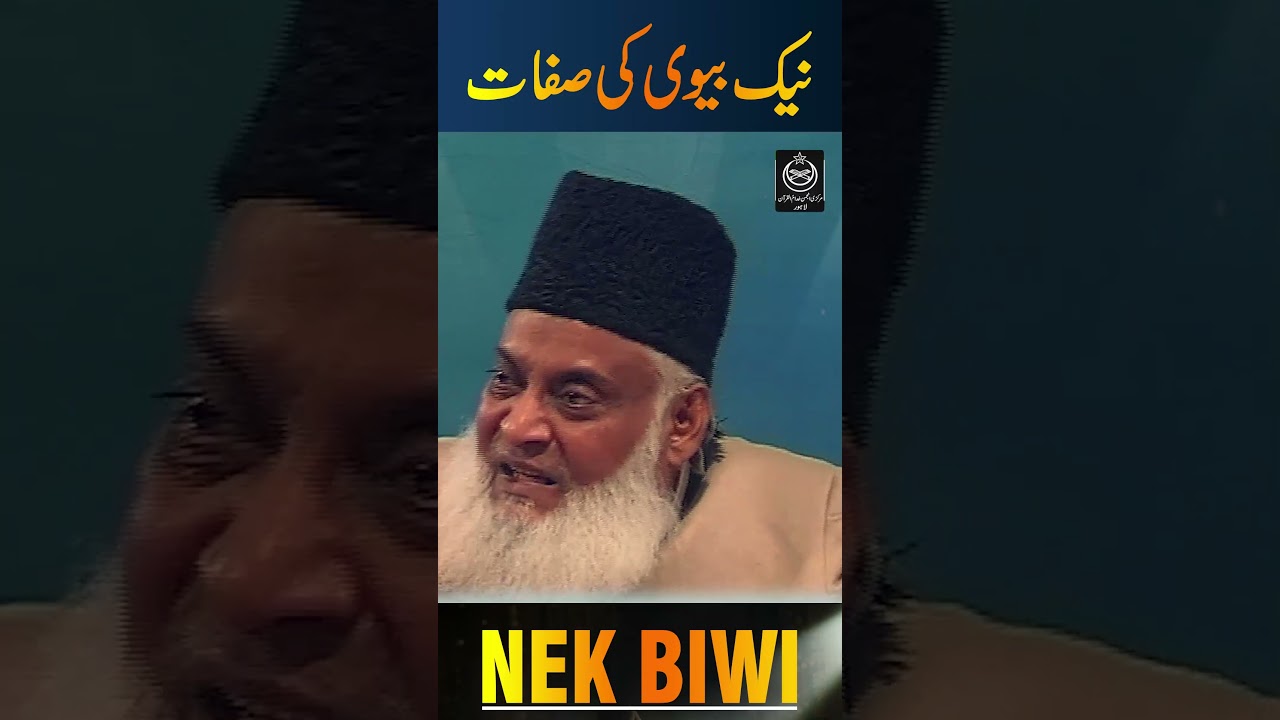
The lecture defines ‘Salihat’ (righteous women) in Islam, emphasizing their key characteristics. These women are obedient, protectors of marital fidelity and household secrets, and guardians of their husband’s honor and property in his absence. The talk highlights that a wife’s integrity directly reflects her husband’s honor, and her discretion is paramount. It emphasizes the wife’s role as the primary confidante and keeper of her husband’s secrets, alongside safeguarding his possessions and reputation.
45
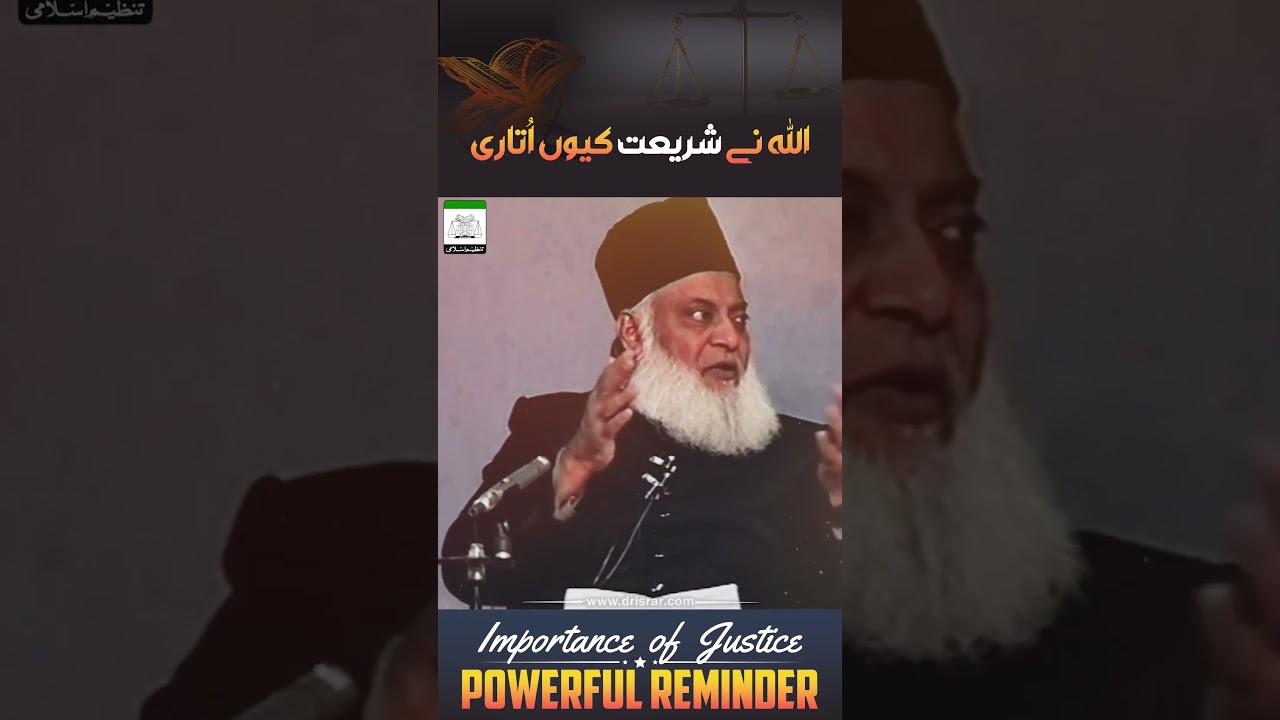
This lecture explores the fundamental importance of justice (Adl) in Islam, referencing Surah Aal-e-Imran and emphasizing the divine mandate for establishing equitable systems. It details how prophets were sent with clear teachings, scriptures, and a balance of rights and responsibilities—defining obligations for all levels of society, from individuals to employers and employees. The discussion highlights the consequences of neglecting justice and the impact of large-scale religious observances like Hajj on societal change. While rituals remain, the underlying spirit of striving for justice must be preserved. God sent messengers and revealed books so people could stand firm on justice.
41
