מִכְנָסַיִים קְצָרִים

This lecture details the deceptive nature of Satan, explaining how he operates beyond human perception. It highlights that Satan’s influence extends to every aspect of human life, subtly impacting thoughts and actions. The discussion emphasizes that Satan doesn’t require effort to maintain his influence; his work progresses autonomously. Instead, his focus is on disrupting those who actively resist his temptations, particularly those striving for spiritual growth. The lecture underscores that Satan targets vulnerable points within individuals, seeking to sever their connection with faith and righteousness, while his followers continuously work to advance his aims.

38
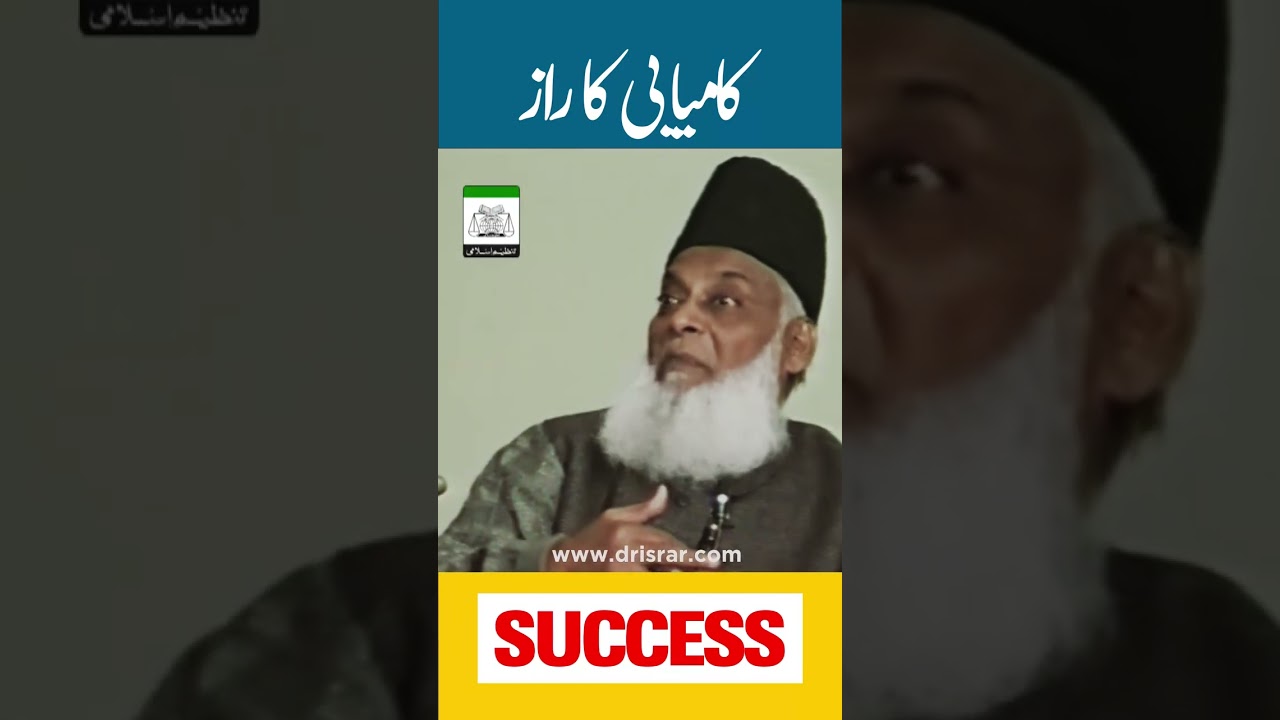
True humanity is defined by setting and striving towards goals. Achieving any significant objective requires dedicated effort, perseverance, and self-discipline. Success demands overcoming base instincts and enduring hardship. Just as a diver must descend into the ocean to retrieve pearls, one must work tirelessly to attain a higher station in life. Those who seek elevation without exertion will find their lives wasted in futile thinking. Genuine progress necessitates consistent effort and a willingness to sacrifice comfort for achievement.
59

This lecture explores the essence of true faith, emphasizing steadfastness (istiqamat) as the ultimate test and pinnacle of belief. It clarifies that simply professing faith in Allah is insufficient; genuine commitment requires unwavering resolve, complete trust in His decisions, and diligent obedience to His commands. The core message centers on achieving inner peace and contentment through complete surrender to Allah, recognizing Him as the sole provider, healer, and sustainer. This state of unwavering conviction is described as the highest form of faith, exemplified by the verse referencing those who steadfastly declare, “Our Lord is Allah,” and remain firm in their belief. Achieving this inner certainty is the ultimate goal of a believer’s life.
76

This lecture explores the concept of *talaawat* beyond mere recitation, emphasizing its true meaning as actively following the Quran's guidance. The speaker explains how beginners often rely on physical aids like fingers to maintain focus while reading. True *talaawat*, however, involves making the Quran one’s leader, adhering to its principles, and seeking its light. This entails complete submission and following its path, as expressed in the prayer for the Quran to be an Imam, a source of light, guidance, and mercy.
46

The word ‘Sawm’ (fasting) fundamentally means to abstain or stop. This encompasses ceasing from eating and drinking, halting speech, or even pausing physical activity. The Quranic verse from Surah Maryam references a vow of abstinence. Historically, ‘Sawm’ in pre-Islamic Arabian society denoted refraining from desires, including sexual activity. It also described a horse standing perfectly still. The term was adopted by the Quran to define the act of fasting as a form of worship, signifying a complete cessation of bodily needs and worldly distractions. It’s a comprehensive cessation, not merely from food and drink, but from all impulsive desires and worldly engagements.
76

This lecture discusses the proper method of offering advice to fellow Muslims. It emphasizes that correction should be done privately and with good intentions, focusing on helping the individual improve without causing public embarrassment or damaging their reputation. The speaker stresses the importance of Muslims acting as mirrors for one another, gently pointing out flaws with the aim of betterment, not humiliation. The core principle is to offer guidance with sincerity and a desire for the other person’s well-being, fostering a supportive and constructive environment.
55
