Quần short
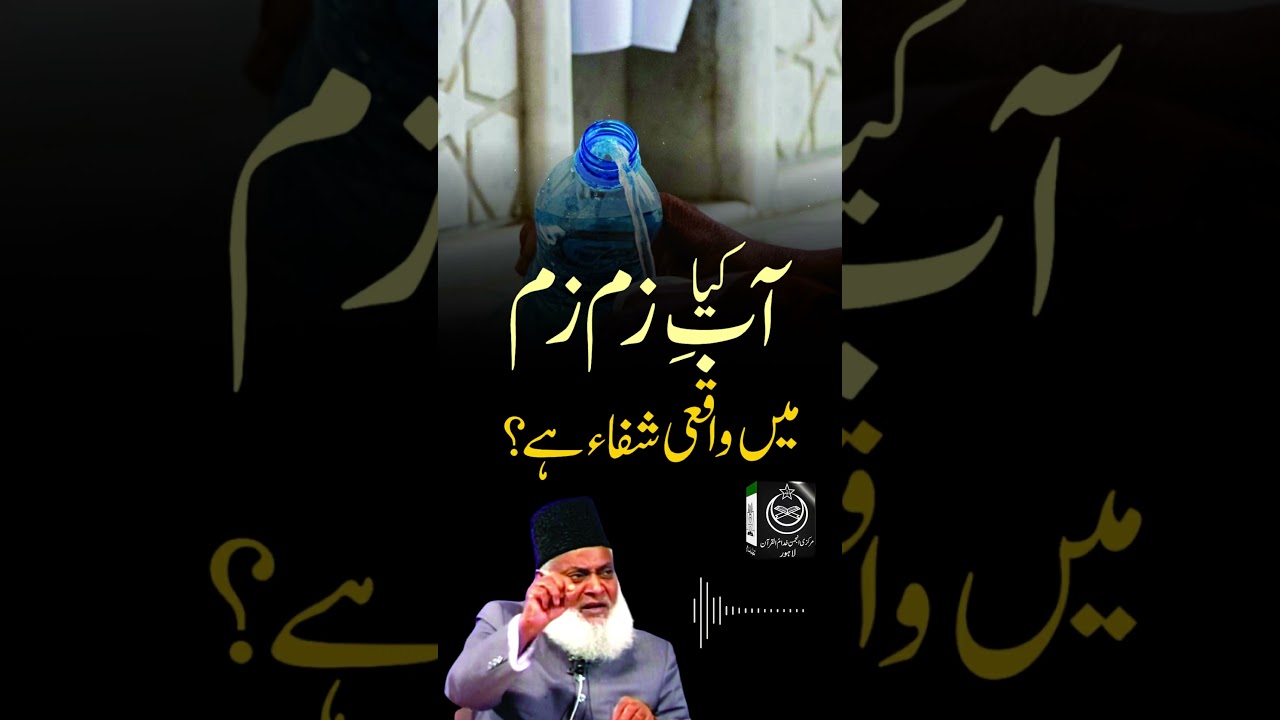
Zamzam water is a miraculous source continuously flowing for centuries despite extensive efforts to determine its origins. Scientific research has failed to explain the immense volume of water consistently replenishing the well. The water possesses unique properties, sustaining life for extended periods as documented in hadith—a person can survive solely on Zamzam water for forty days. This continuous flow and inherent sustenance are considered a divine miracle, a testament to Allah's power.

57
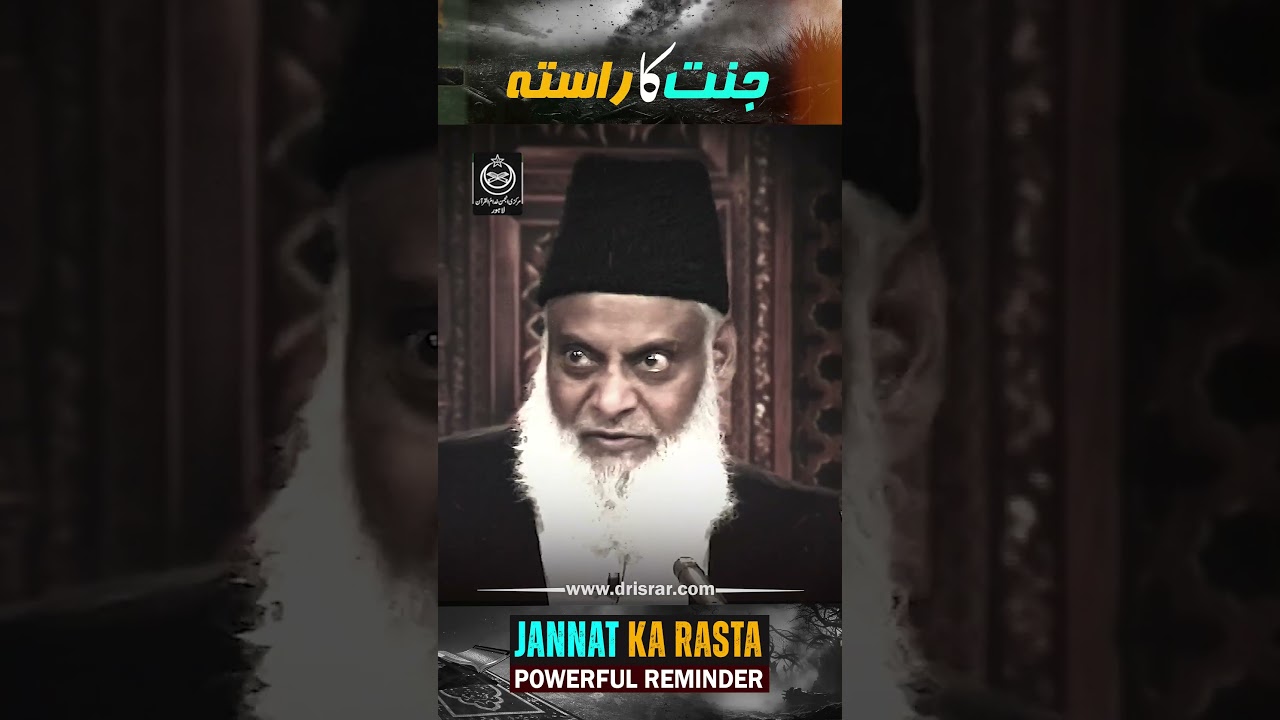
Dr. Israr Ahmad explains that attaining paradise is not achieved through ease and comfort, but through overcoming significant challenges and hardships. He describes paradise as being surrounded by difficult and frightening obstacles—a perilous wilderness filled with dangers. Successfully navigating these trials is essential to reaching paradise. The speaker uses poetic imagery to illustrate that the path to paradise demands endurance and perseverance, requiring one to traverse a difficult and thorny road. True reward awaits those who endure these hardships.
57

This lecture emphasizes the importance of complete submission to God and consistently living in a state of obedience. It cautions against even a moment of disobedience, highlighting the unpredictability of death and urging constant vigilance. The speaker stresses that death can arrive at any moment, even during sinful acts, making continuous self-accountability and adherence to divine commands paramount. The message encourages a life lived with awareness of mortality and a commitment to unwavering obedience.
277

This lecture explores the concept of spiritual and emotional healing as presented in the Quran, specifically referencing verses from Surah Yunus. It identifies the root causes of spiritual ailments – including disbelief, polytheism, arrogance, envy, and excessive attachment to worldly possessions like wealth, status, children, and life itself. The lecture emphasizes that these attachments are instigated by Satan and are the source of inner turmoil. It posits that true healing comes through recognizing and detaching from these harmful inclinations, leading to inner peace and spiritual well-being.
48

This lecture explores the Prophet Muhammad’s (peace be upon him) acknowledgement of uncertainty regarding the timing of divine victory. The Quranic verses cited reveal that even the Prophet did not know whether the promised events were imminent or distant. This highlights a crucial understanding: knowledge of the unseen rests solely with God. The lecture emphasizes that such knowledge is not granted to even the most revered messengers, and that uncertainty about the future is a natural human condition. The verses also suggest that trials and tribulations may be part of the divine plan, serving as both tests and opportunities for growth. The core message is acceptance of divine will and a focus on present action rather than speculation about the future.
36

This lecture details the five rights the Quran has over every Muslim: belief, recitation with proper Tajweed, understanding, implementation in individual and collective life, and propagation. It emphasizes that fulfilling these rights is a collective responsibility requiring a societal system for enacting Islamic law. Failure to uphold these rights is likened to burdening a donkey with books, signifying a failure to bear the responsibility of divine guidance. The discussion highlights the importance of correct pronunciation, deep understanding (not just memorization), practical application of teachings in both personal and communal spheres, and the dissemination of knowledge to others. It stresses that collective duties, such as enforcing Sharia law (e.g., penalties for theft or adultery, prohibition of interest), necessitate an established system, not individual actions.
50
