Kurze Hose

This lecture explores the importance of constant remembrance of God and the Beloved. It emphasizes focusing on every moment as potentially the last, urging listeners to dedicate each breath to seeking forgiveness and offering supplications. The speaker highlights a lack of genuine attention to spiritual matters and encourages a profound shift in perspective, advocating for complete devotion and surrender to the Divine. The discussion draws a parallel to Iqbal’s call for dismantling obstacles to spiritual enlightenment, suggesting a rejection of superficiality and a commitment to inner transformation.

17
The Quran states that this world will flourish through the blessing of *tawheed* (oneness of God). The purpose of Muhammad’s (peace be upon him) prophethood was to serve as a bearer of glad tidings and a warning to all of humanity. The completion of the illumination of *tawheed* and the fulfillment of its purpose remain ongoing tasks. This lecture emphasizes the enduring relevance of this message and the continuing need to strive for its realization.
196
During the Tabuk expedition, an Ansari companion, a poor laborer, worked tirelessly irrigating a Jewish man’s garden. He offered half of his earned dates as charity, presenting the other half to the Prophet Muhammad. Despite the vast supplies amassed for the campaign, hypocrites suggested the expedition would be incomplete without his contribution. The Prophet declared these few dates to be heavier in the sight of God than the entire amassed wealth, highlighting the sincerity of the companion's offering and the value of selfless devotion.
46
This lecture clarifies the varying interpretations of the term “Moula” (master/lord) in relation to Hazrat Ali. It explains that while using the term is not inherently problematic, some interpretations, particularly within Shia Islam, elevate Hazrat Ali to a status exceeding his role as a companion and leader. The speaker emphasizes that attributing problem-solving solely to Hazrat Ali is inaccurate, as he himself faced difficulties and unresolved conflicts during his life. The lecture cautions against exaggeration and excessive devotion, highlighting that true power and resolution reside with Allah alone. The discussion focuses on understanding the correct reverence for historical figures within an Islamic framework.
64
The lecture defines migration (Hajrat) not merely as physical relocation, but as abandoning anything displeasing to God. It outlines three levels: renouncing interest-based transactions, establishing modesty and privacy within the home, and ultimately, sacrificing all worldly possessions – even family – to uphold and defend the faith when facing persecution and conflict. This final level represents the highest form of migration, undertaken when actively striving to establish God’s law.
55
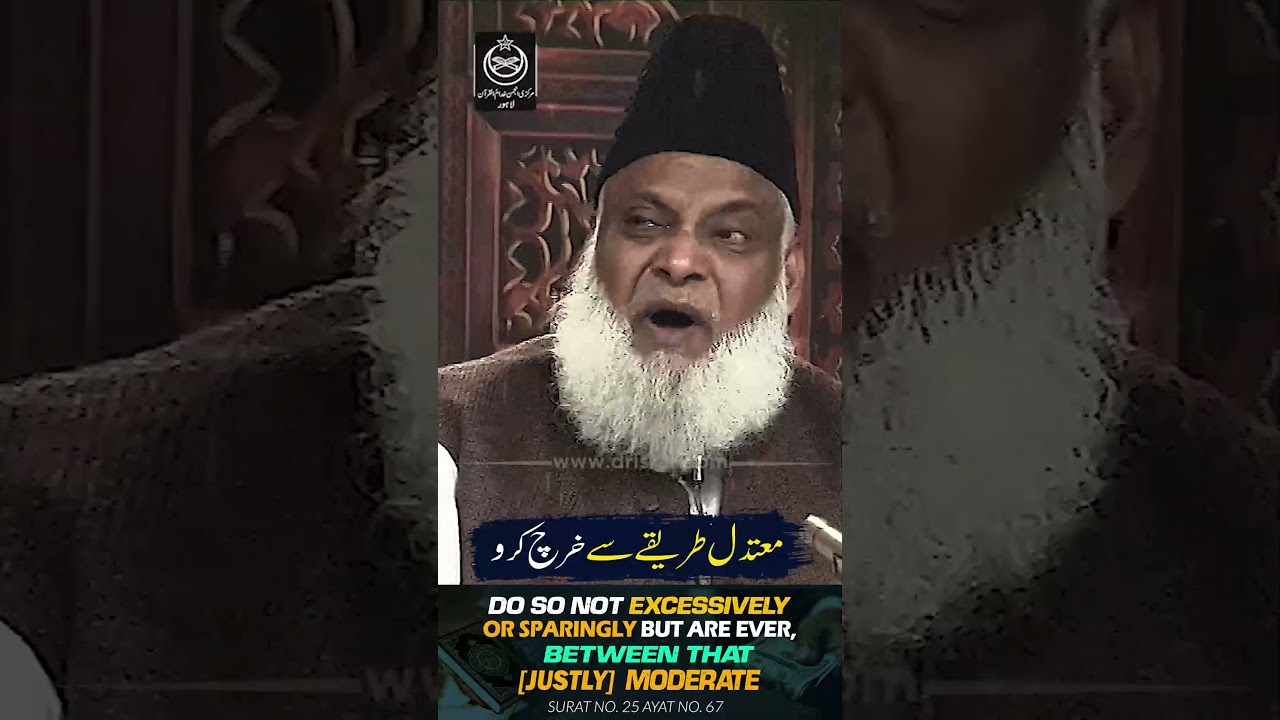
Extremism in charitable giving is undesirable. Intense emotion can lead individuals to impulsively donate all their wealth, potentially harming themselves. The Quran and the teachings of the Prophet emphasize the necessity of balance in spending. The verse from Surah Al-Furqan highlights that true believers spend neither stingily nor wastefully, but maintain a moderate course between these extremes. This approach ensures both the well-being of the giver and the effective distribution of resources to those in need. It’s crucial to consider consequences and adopt a reasoned approach to charity.
47
