شلوار کوتاه
This lecture clarifies the permissibility of dedicating the reward of charitable deeds to others, specifically deceased parents or loved ones. It distinguishes between financial donations, where transferring the reward is acceptable, and acts of worship like prayer and Quran recitation, where the reward belongs solely to the worshipper. The speaker emphasizes that dedicating worship directly to anyone other than Allah constitutes shirk (associating partners with God) and renders the act impermissible. Financial charity’s reward can be transferred, but the reward for obligatory worship remains with the individual performing it.

109
When the Prophet Muhammad arrived in Medina, he observed that the Jewish community fasted on the tenth of Muharram (Ashura), commemorating the day the Israelites were saved from Pharaoh and his army. They explained this was a day of thanksgiving. The Prophet stated that Muslims, as followers of Moses, had a greater right to commemorate this event. He instructed Muslims to fast on both the ninth and tenth of Muharram to distinguish themselves from the Jews, who only fasted on the tenth. This practice marks the beginning of observing days of worship based on the traditions of earlier communities present in Medina.
48
The Quraysh delegation arrived to Abu Talib during his final moments, issuing an ultimatum: control Muhammad or face open conflict. They didn’t seek wealth, power, or possessions, but demanded Muhammad cease his proclamation of One God. Abu Jahl immediately recognized the core issue – this message threatened the foundations of their entire belief system and the idols they worshipped. This bayān details the pivotal confrontation and the essence of the demand made against the Prophet Muhammad.
74
This lecture explores a stanza from the poem 'Sam-e-Hayat,' interpreting its metaphorical connection between the rhythm of a military funeral procession and the beating of one’s own heart as a measure of time approaching death. The speaker explains that each beat of the drum in the funeral procession brings the coffin closer to the grave, mirroring how each heartbeat brings an individual closer to their final destination. The poem's imagery highlights the transient nature of life and the inevitability of death, urging reflection on mortality.
86
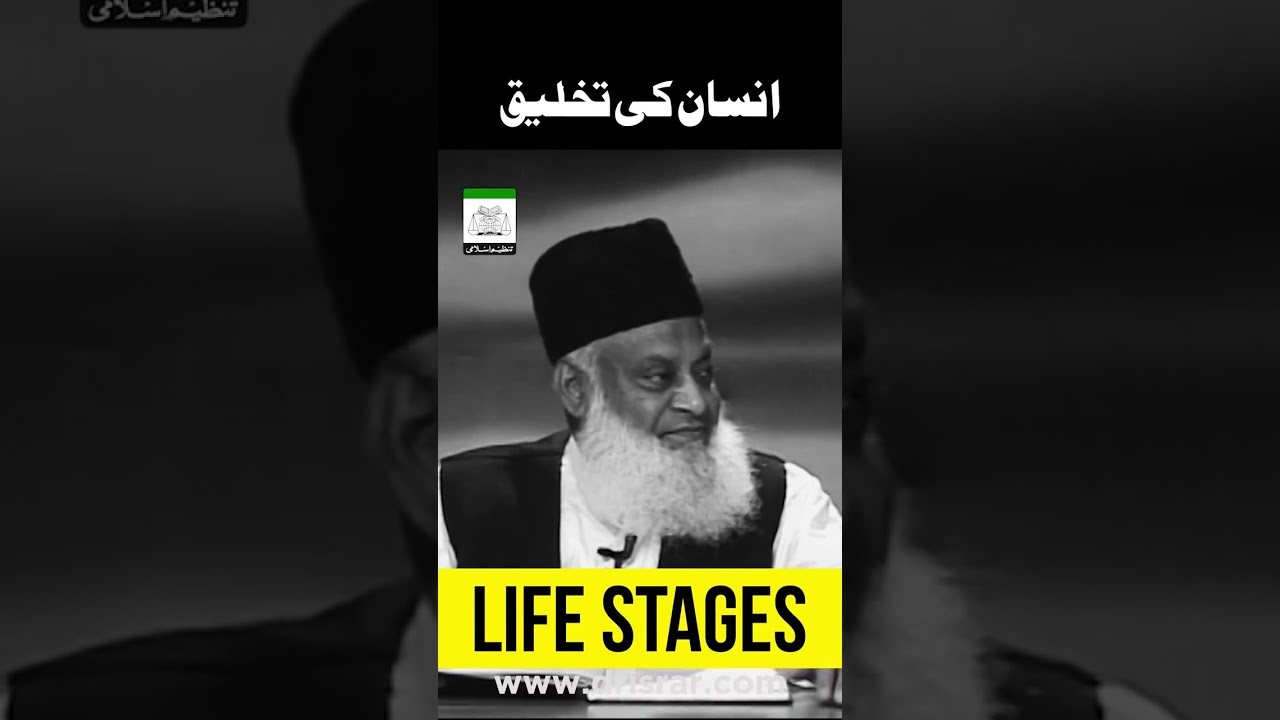
This lecture details the stages of human development from conception to old age, emphasizing the divine process governing life. It outlines creation from a sperm, its development into an embryo, then a fetus, followed by growth and maturity. The lecture acknowledges that some individuals are taken before reaching full potential, while others experience a decline in cognitive function with age, forgetting what they once knew. It reflects on the cyclical nature of life and the ultimate return to the Divine.
109
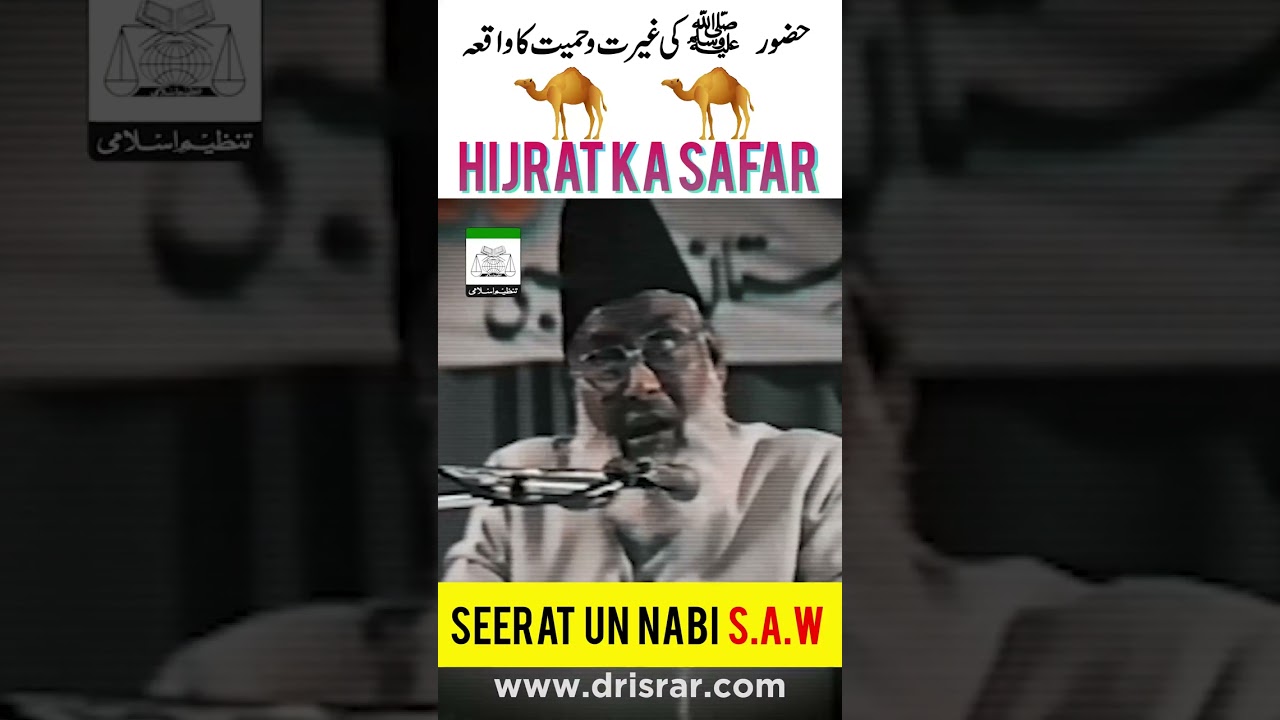
This narrative recounts an instance where the Prophet Muhammad (PBUH) requested to use an camel owned by Hazrat Abu Bakr. Hazrat Abu Bakr, overjoyed, offered the camel as a gift, having prepared it specifically for the journey. The Prophet insisted on paying for it. Hazrat Abu Bakr, moved to tears, expressed that his life and possessions were already dedicated to the Prophet, and offering the camel without payment was a matter of honor. This demonstrates the Prophet’s integrity and Hazrat Abu Bakr’s profound devotion and generosity.
49
