Shorts
This lecture addresses the dangers of linguistic and cultural biases, clarifying that regional, ethnic, and linguistic identities are not inherently sinful. It emphasizes that every culture and language has a right to flourish, provided any elements conflicting with Islamic teachings are removed. The lecture highlights the unique status of the Arabic language not due to its speakers, but because it is the language of the Quran and the sayings of the Prophet Muhammad, making its study essential for direct understanding of religious texts. It cautions against exclusionary attitudes based on language or culture, likening such behavior to a useless tool.

66

This lecture discusses the profound significance of Ramadan. It highlights that the blessings of this sacred month begin to manifest even before its official commencement, foreshadowing the spiritual benefits to come. The speaker emphasizes Ramadan as a time of immense blessings and spiritual elevation, particularly noting the presence of Laylat al-Qadr, a night superior to a thousand months. The talk centers on the anticipation and arrival of this blessed month, and the preparation for its spiritual opportunities.
82
This lecture clarifies the conditions for sincere repentance (tawbah) and its implications regarding past sins. It explains that genuine repentance, marked by remorse and a commitment to abstain from sin, leads to Allah's forgiveness. Regarding missed prayers, the speaker suggests making up for them as if they were voluntary prayers (nawafil). For rights violated against others, repentance requires seeking forgiveness from the wronged, compensation, or facing consequences in the afterlife, with potential recompense through good deeds or bearing the burden of sins. Complete and valid repentance serves as expiation for all sins.
50
This lecture emphasizes the immense potential within humanity, created by God, and the inherent power residing within each individual. It argues that humans are unknowingly squandering their abilities by focusing solely on worldly pursuits. The speaker posits that if this innate power were directed towards recognizing and realizing the oneness of God, a profound transformation would occur, ultimately revealing divine glory. The core message stresses the importance of self-awareness and utilizing one’s capabilities for spiritual growth and the realization of God’s presence.
53
This lecture explores the perspective of M.N. Roy, a prominent communist revolutionary, on the historical significance of Islam. Roy, a key figure in the Comintern, recognized the revolution initiated by Muhammad as one of the greatest in human history. He detailed this view in his book, *The Historical Role of Islam*, acknowledging its profound impact on global events. Dr. Israr Ahmad analyzes Roy’s analysis and provides insightful commentary on the topic.
63
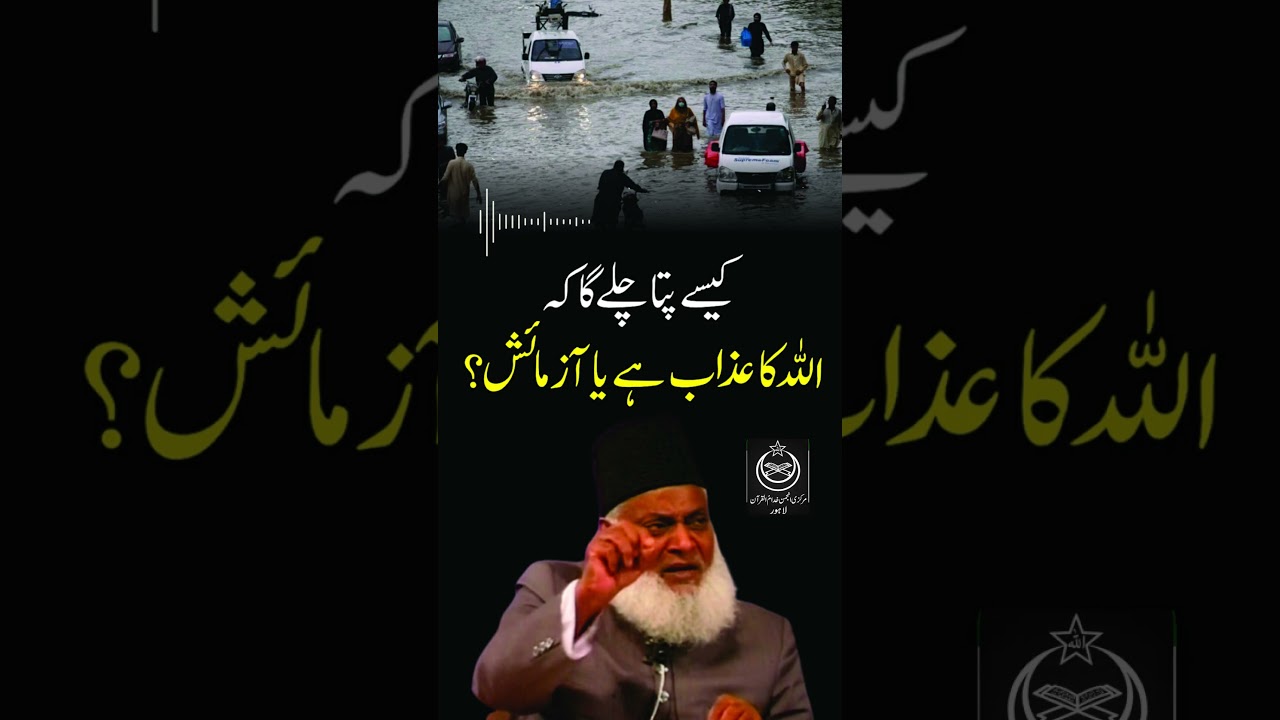
This lecture clarifies the distinction between trials (imtihan) and consequences (sada). It explains that both may appear similar externally, but the heart discerns their origin. Trials befall those striving on the righteous path, serving as tests from God. Consequences, however, stem from one’s actions. The heart will reveal whether a difficulty is a trial designed to elevate one’s status or a consequence requiring atonement. Recognizing this difference is crucial for spiritual growth and understanding divine justice.
56
