السراويل القصيرة
This lecture discusses the plight of women, particularly in Western societies, highlighting the burdens they bear – pregnancy, childbirth, and financial responsibility. It critiques the objectification of women and questions the values of Western civilization, suggesting a concerning trend of exploitation and disregard for their dignity. The speaker emphasizes the need to understand and respect women's true worth and role in society.

430
The Quran repeatedly emphasizes the core message delivered by prophets including Noah, Hud, Saleh, Lot, Shu'aib, Abraham, Moses, and Jesus: the singular worship of God. This lecture highlights that the fundamental purpose of humanity's creation, as stated in Surah Az-Zariyat, is to worship God. The prophets’ call consistently centers on the necessity of submitting to God’s will and recognizing His absolute sovereignty. The creation of both jinn and humankind was solely for the purpose of worship. This underscores a unified message throughout divine scripture: devotion to the one true God is the ultimate purpose of life.
71
This lecture discusses the foundational purpose of Pakistan, arguing it has strayed from its original vision. The speaker emphasizes the need for a revolutionary movement built on sincerity, integrity, and adherence to Islamic principles. He advocates for identifying and supporting trustworthy leadership committed to ethical conduct and genuine service. The speaker highlights the establishment of an organization dedicated to this purpose and encourages viewers to learn more and engage with its leadership to assess their commitment to these values. The core message is a call for renewed commitment to the original ideals of Pakistan, guided by Islamic principles and led by sincere, trustworthy individuals.
74
This narrative recounts an instance where the Prophet Muhammad (PBUH) requested to use an camel owned by Hazrat Abu Bakr. Hazrat Abu Bakr, overjoyed, offered the camel as a gift, having prepared it specifically for the journey. The Prophet insisted on paying for it. Hazrat Abu Bakr, moved to tears, expressed that his life and possessions were already dedicated to the Prophet, and offering the camel without payment was a matter of honor. This demonstrates the Prophet’s integrity and Hazrat Abu Bakr’s profound devotion and generosity.
46
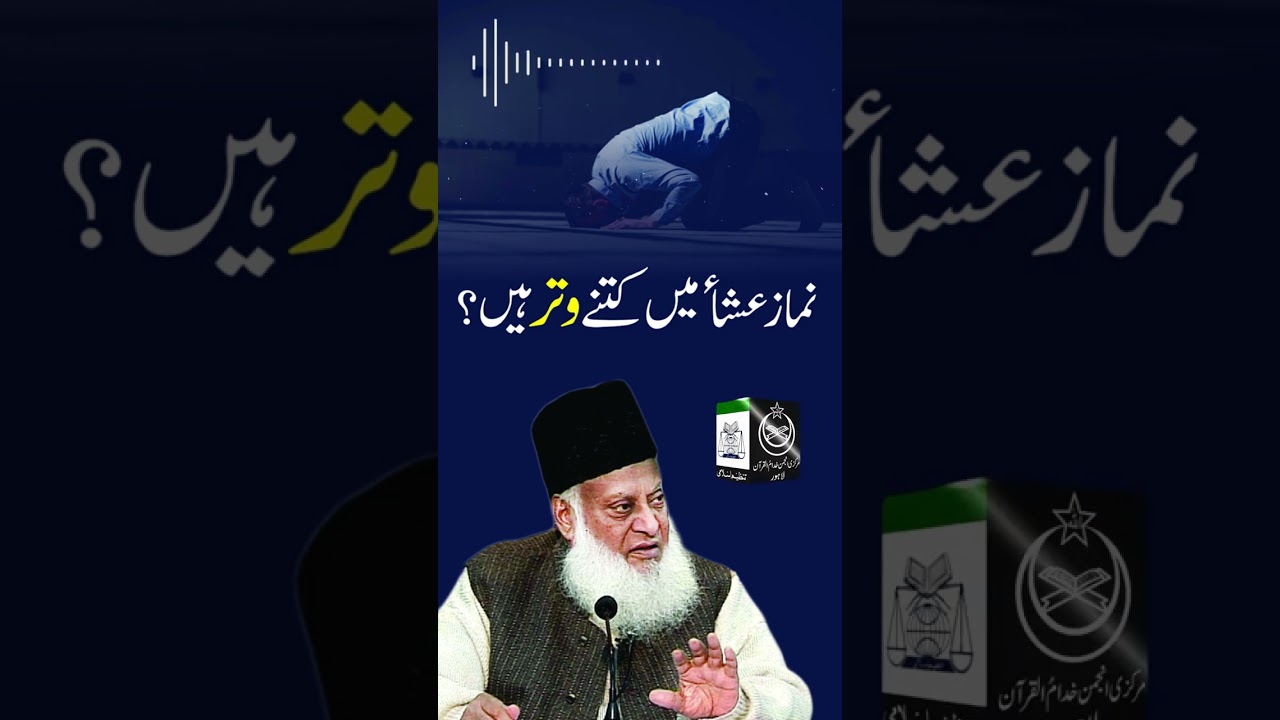
Some scholars believe eleven rakats are permissible for the Isha prayer, while others consider three. This lecture explores the varying opinions on this matter, noting that differences in practice among various schools of thought are acceptable. The speaker affirms their adherence to the practice of offering three rakats.
73
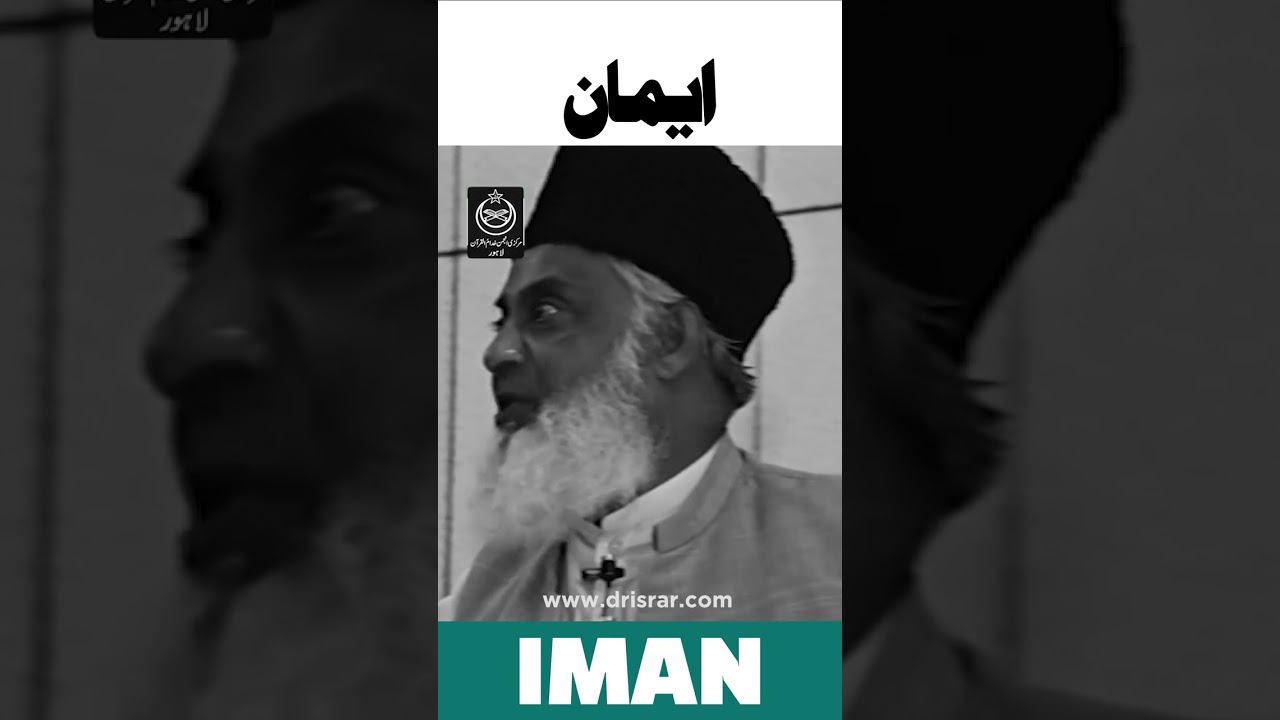
The central theme of the Quran is faith in the unseen, encompassing knowledge of the metaphysical realm beyond sensory perception. This knowledge, revealed through Muhammad, forms the foundation of true understanding. The Quran provides guidance on both spiritual beliefs and practical life, addressing societal, economic, and personal conduct. It delineates permissible and forbidden actions, offering a comprehensive framework for a balanced and righteous life. This lecture clarifies that the Quran’s core message isn't simply a list of do's and don'ts, but a holistic system of belief and practice.
57
