Шорты
This lecture discusses the plight of women, particularly in Western societies, highlighting the burdens they bear – pregnancy, childbirth, and financial responsibility. It critiques the objectification of women and questions the values of Western civilization, suggesting a concerning trend of exploitation and disregard for their dignity. The speaker emphasizes the need to understand and respect women's true worth and role in society.

430
The lecture emphasizes that a lack of empathy and compassion leads to spiritual deprivation. True piety isn’t demonstrated through rituals alone, but through actively alleviating the suffering of others. One who witnesses another’s pain and possesses the means to help, yet fails to do so, forfeits blessings. Genuine faith demands shared sorrow and a commitment to easing the burdens of fellow humans. Mere observance of prayers and nocturnal worship are insufficient without accompanying heartfelt compassion and practical assistance.
70
This lecture emphasizes the transient nature of worldly life and the importance of preparing for the afterlife. It highlights that life in this world is merely a temporary diversion, like a game or play, and true life resides in the hereafter. The speaker stresses that the passage of time feels incredibly swift, akin to a few hours when viewed from the perspective of eternity. A firm belief in this reality should empower individuals to face trials and tribulations with resilience, knowing that death is an inevitable journey toward union with the Beloved – Allah. The lecture encourages a joyful acceptance of death as the lifting of a veil separating us from our ultimate home and true happiness.
62
This lecture explores the absolute sovereignty of Allah, contrasting it with earthly kingship where power is often susceptible to corruption. It highlights that Allah’s authority is unchecked by any external force, but is governed by His perfect wisdom. The discussion draws parallels with the story of Pharaoh in Surah Momin, illustrating how even a self-proclaimed god faced limitations due to internal dissent and the inherent flaws of absolute power. The lecture emphasizes that Allah’s absolute authority is balanced not by external checks, but by His complete and perfect wisdom, ensuring just and equitable decisions.
69
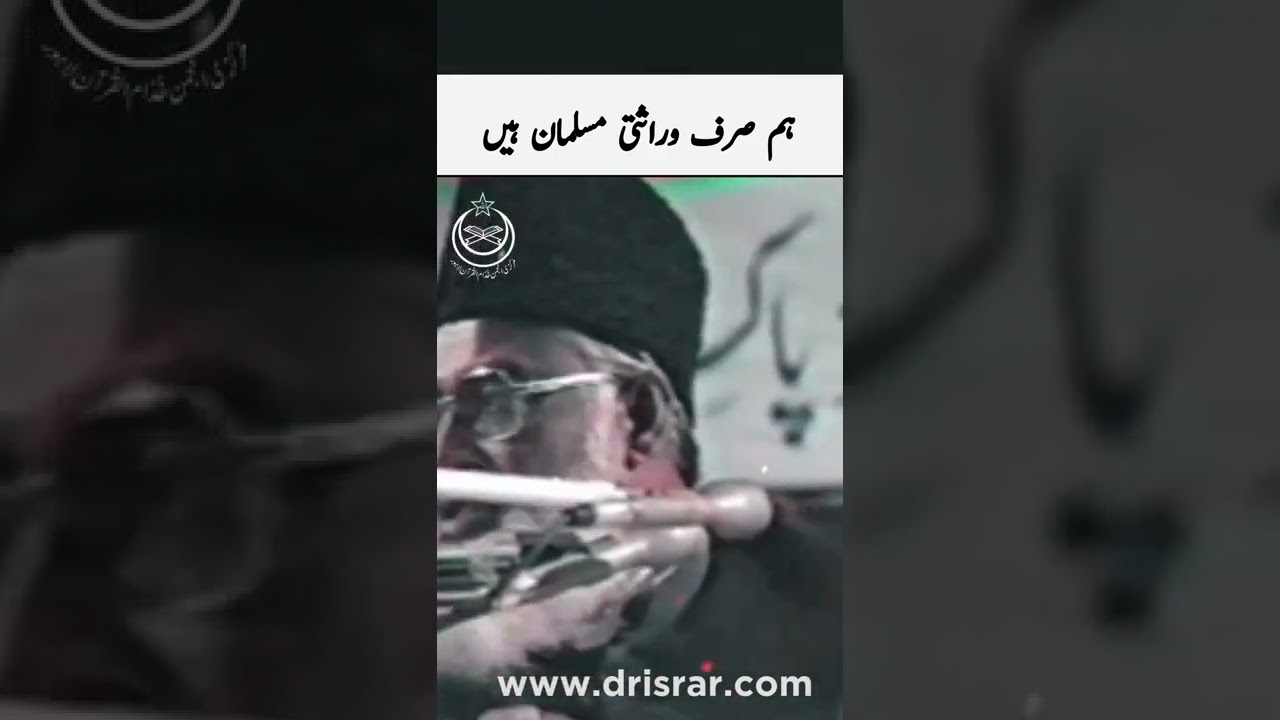
This lecture explores the distinction between inherited faith and consciously accepted belief. The speaker argues many identify as Muslim due to birth rather than a personal, conscious decision and realization of faith. True Islam, it is asserted, requires *yaqeen* – a deep, experiential certainty – not merely adherence to dogma or inherited creed. This conviction, akin to the spiritual realization described by Allama Iqbal, is essential for meaningful practice and spiritual growth. Without this inner certainty, religious observance remains superficial.
59
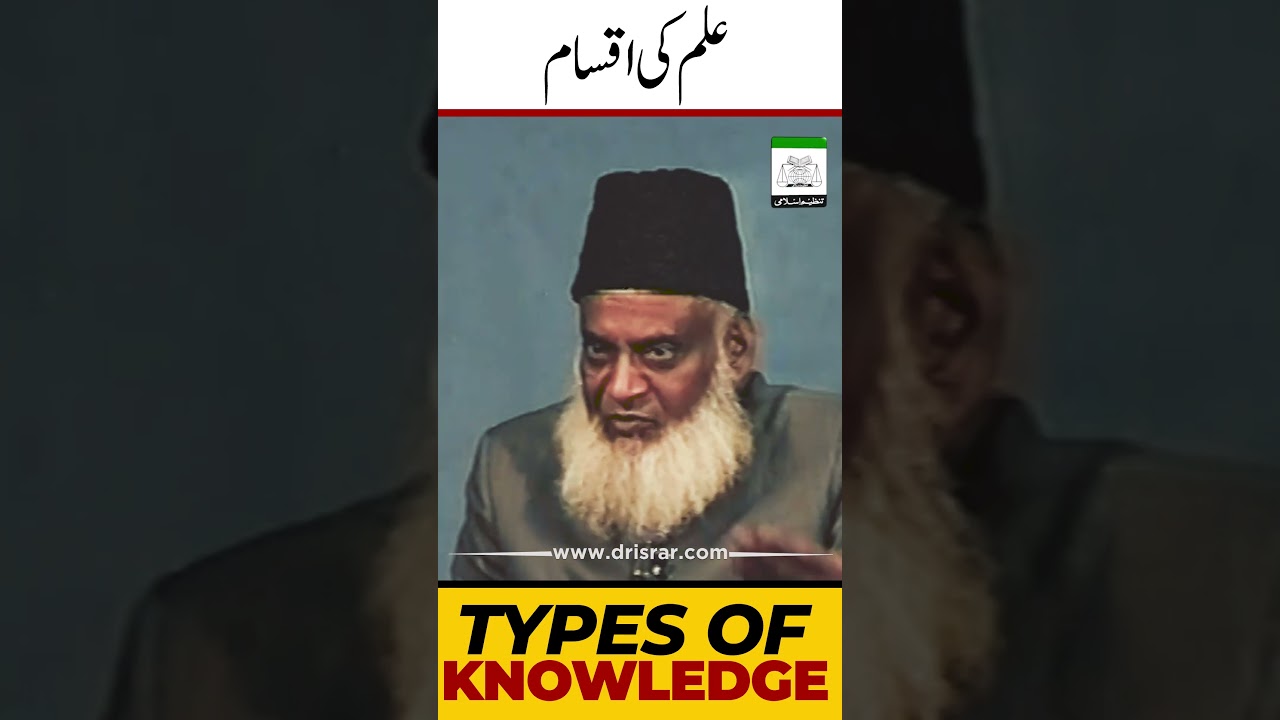
This lecture explores the dual nature of knowledge: revealed guidance and knowledge acquired through human senses and intellect. It emphasizes the responsibility of utilizing these faculties to understand the universe, analyze phenomena, and draw conclusions. The speaker highlights the importance of observation, rational thought, and the pursuit of truth through both spiritual insight and scientific inquiry. The lecture stresses that humanity has been gifted with senses, perception, and intellect and will be held accountable for their proper use in unraveling the mysteries of existence and applying that knowledge for betterment.
93
