Shorts
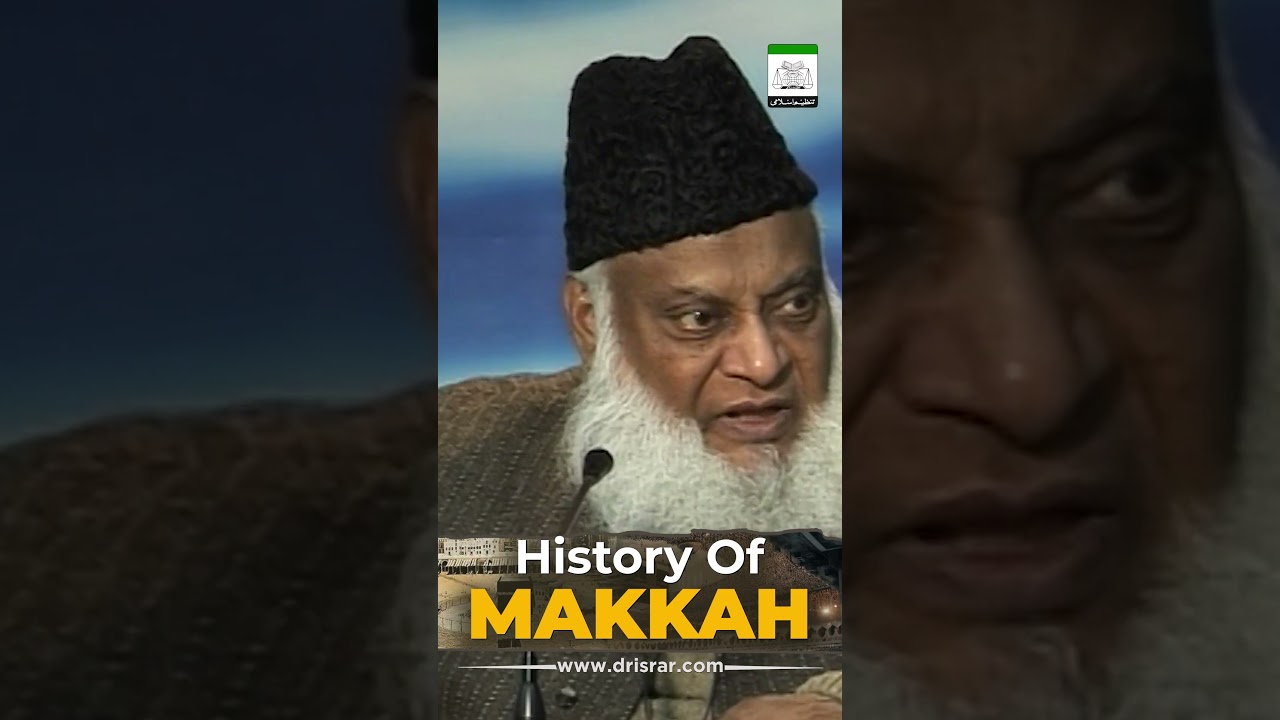
The Kaaba’s origins trace back to Prophet Adam, who was its first architect. The initial structure was destroyed by floods, leaving only its foundations. Prophet Ibrahim, guided by divine instruction, rebuilt the Kaaba upon those original foundations, with the help of his son Ismail. Thus, Ibrahim became the second architect of the Kaaba, restoring it as a place of worship. The lecture details the historical and spiritual significance of the Kaaba's construction and the roles of both Adam and Ibrahim in its creation.

47
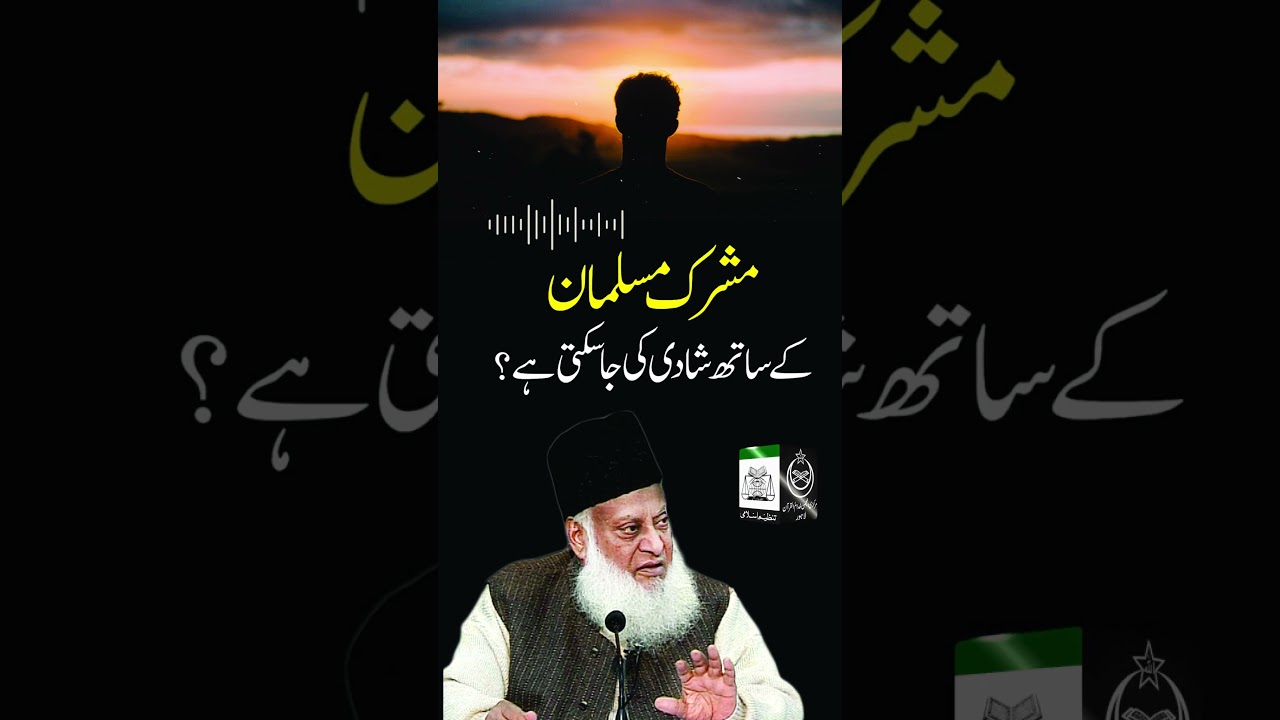
Dr. Arshad Maqbool discusses the permissibility of marriage to People of the Book (Ahl-e-Kitab) even though they associate partners with God. He clarifies that while Muslims who commit *shirk* remain Muslim but sinful, the category of People of the Book is distinct by divine decree. He highlights that despite the Quran refuting their beliefs, marriage to their women is permissible, based on God's command, not personal preference. This lecture explores the nuances of faith, sin, and divine law in the context of interfaith marriage.
71
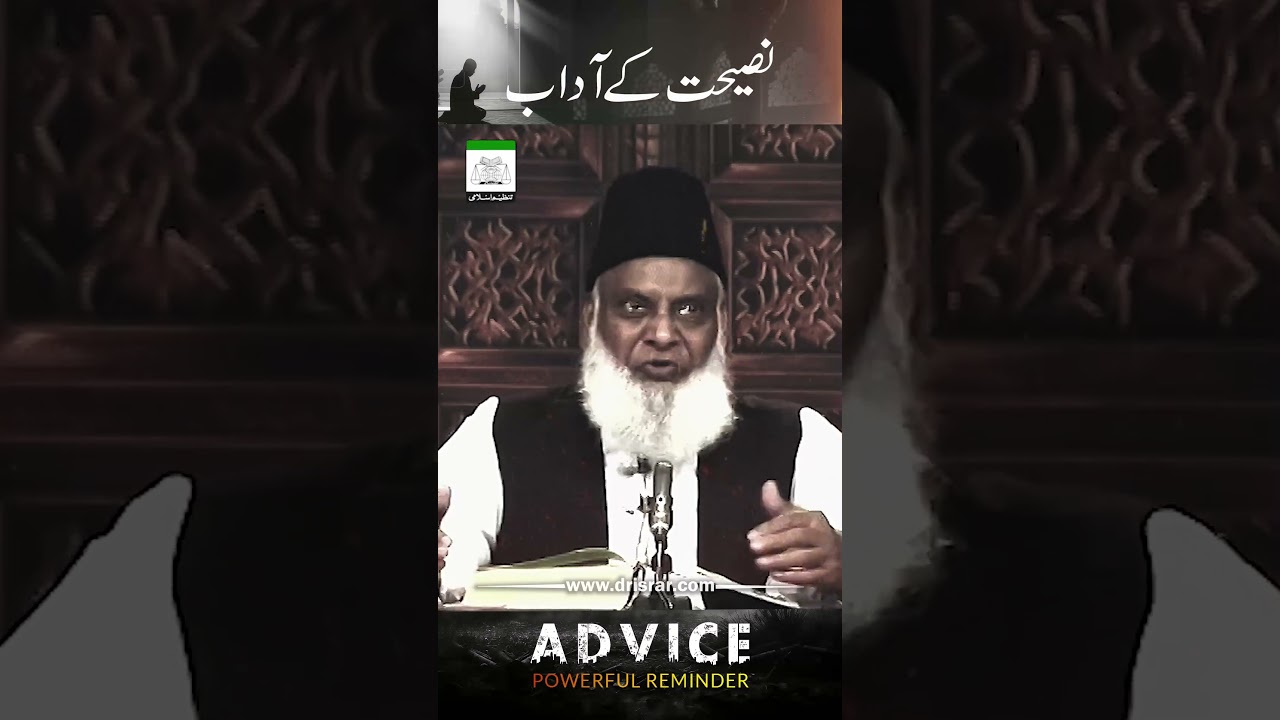
This lecture explores the qualities of a truly righteous individual: one who actively invites others to God, consistently performs good deeds, and sincerely identifies as a Muslim striving for obedience. The speaker emphasizes humility, acknowledging personal fallibility and the importance of repentance. A virtuous person isn't defined by claims of piety or perfection, but by a consistent return to God after mistakes. The core message is that genuine faith involves both action and sincere self-assessment.
87
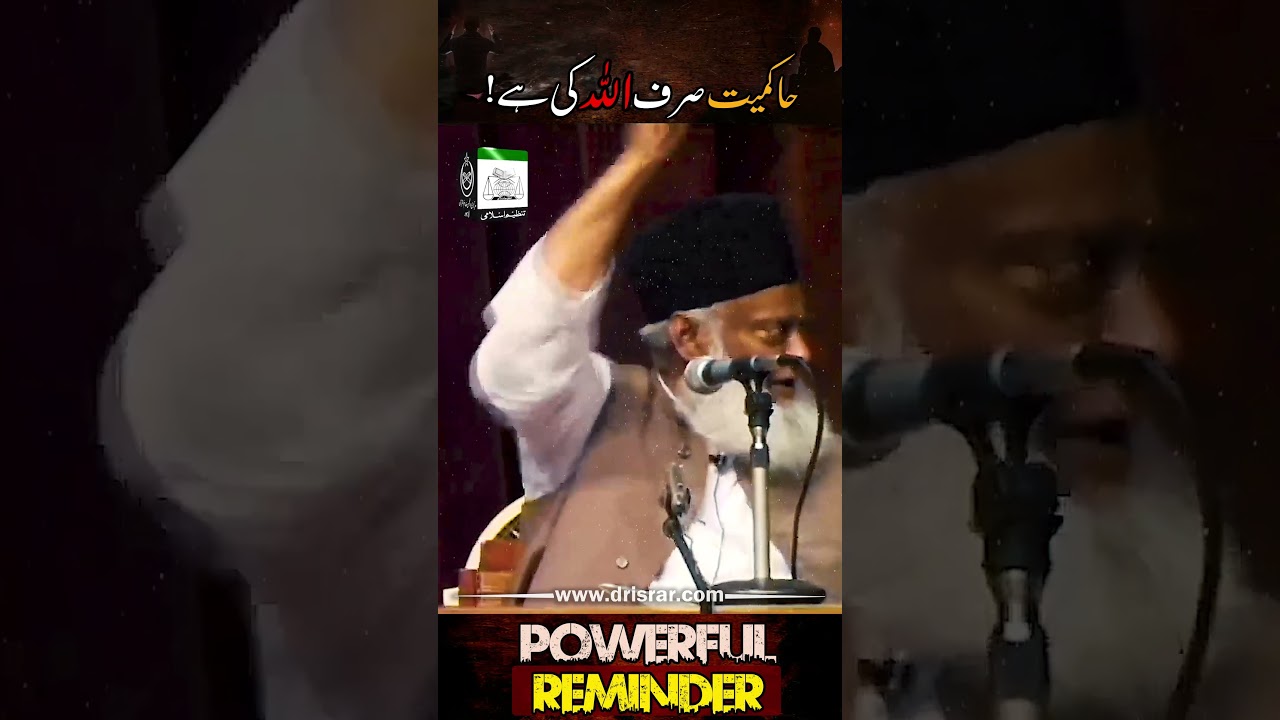
This lecture asserts that true sovereignty rests solely with God, rejecting the concept of human or national governance. It emphasizes that ownership, in its entirety, belongs to God, with all possessions – including one’s own body and progeny – being held in trust. The discussion refutes any form of human rule, whether individual kingship, national dominion, or popular sovereignty, deeming them forms of associating partners with God. The speaker stresses that God, or His appointed representatives, are the sole law-givers, and true authority emanates only from the Divine.
58
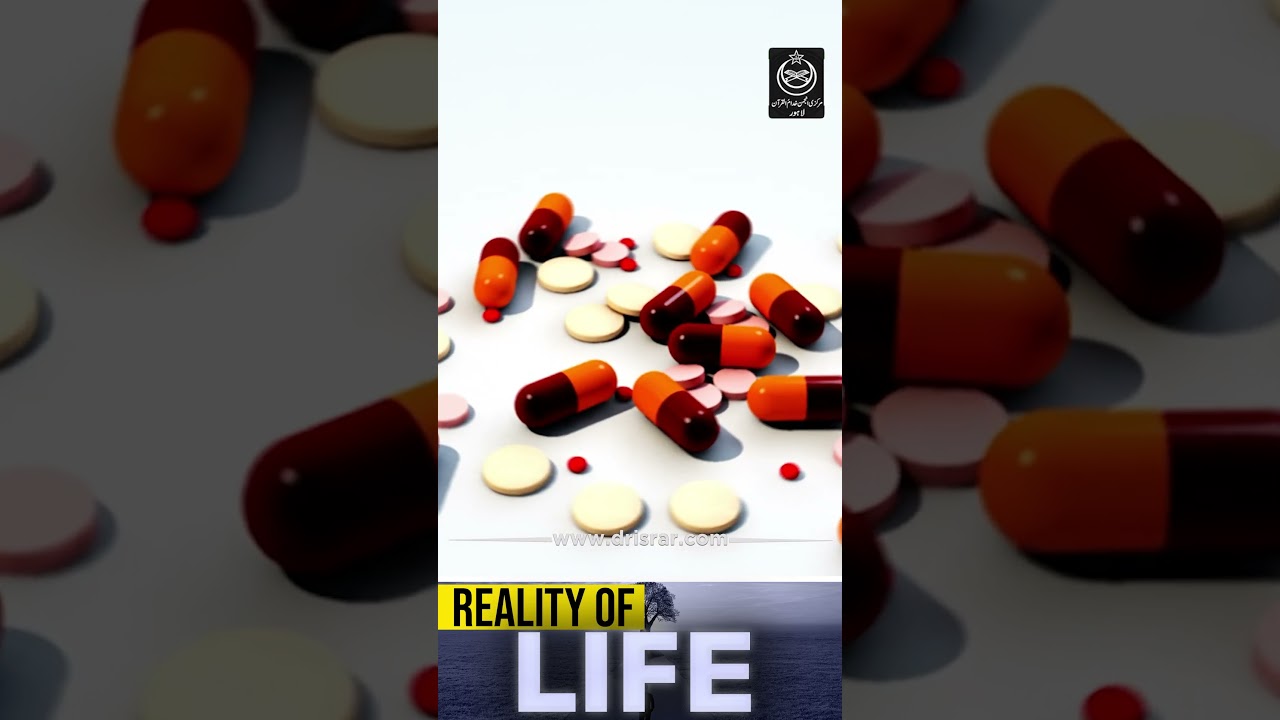
Human life is defined by struggle and hardship, as ordained by creation. Individuals face varying degrees of mental and physical exertion, with disparities in access to basic necessities like food. This often leads to health issues and anxieties about the future. The cycle of life, bound by limitations and sorrow, prompts the question of finding liberation from suffering before death. This universal human condition highlights the inherent challenges and search for meaning within existence.
53
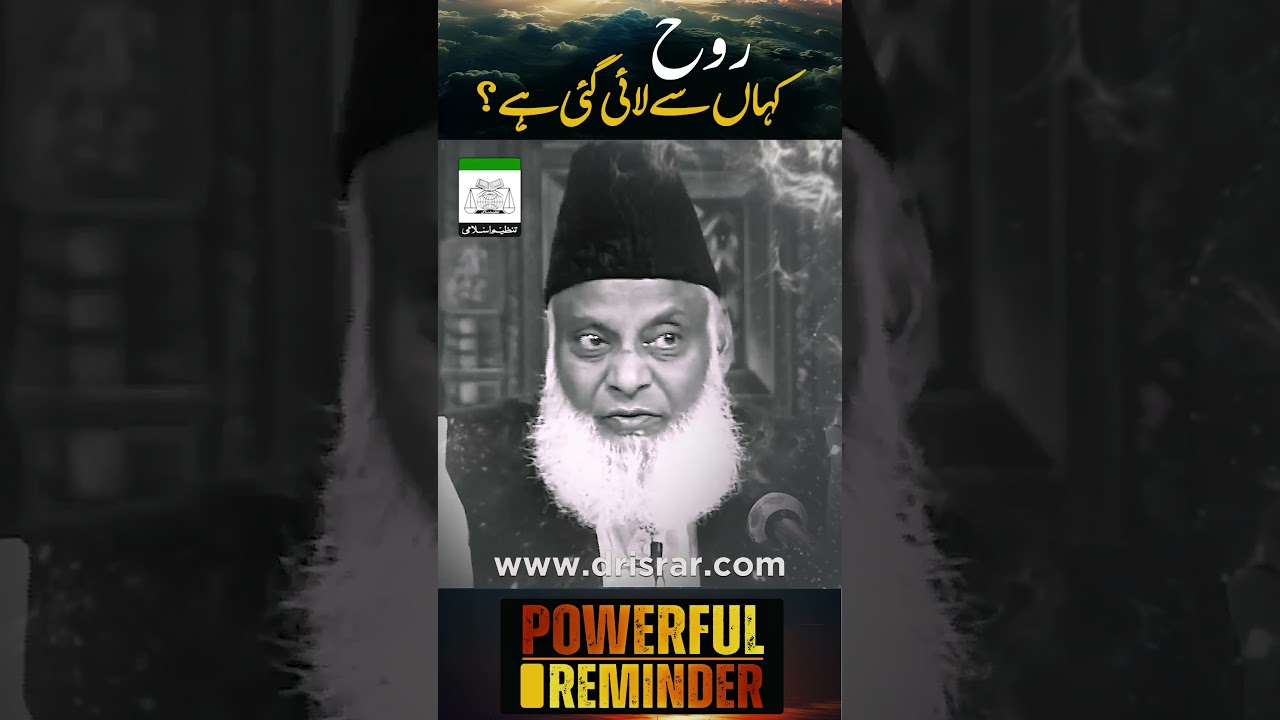
The soul is distinct from the body. While death seizes the body, returning it to the earth from whence it came, the soul does not experience death itself. It is a transfer, originating from God and returning to Him. The soul temporarily inhabits the body during earthly life, then either resides in 'Aliyeen' or 'Sijjeen' – realms of varying states – awaiting eventual return to its divine source. The body is subject to earthly cycles of creation and dissolution, but the soul is eternal and its destiny lies with God.
40
