निकर
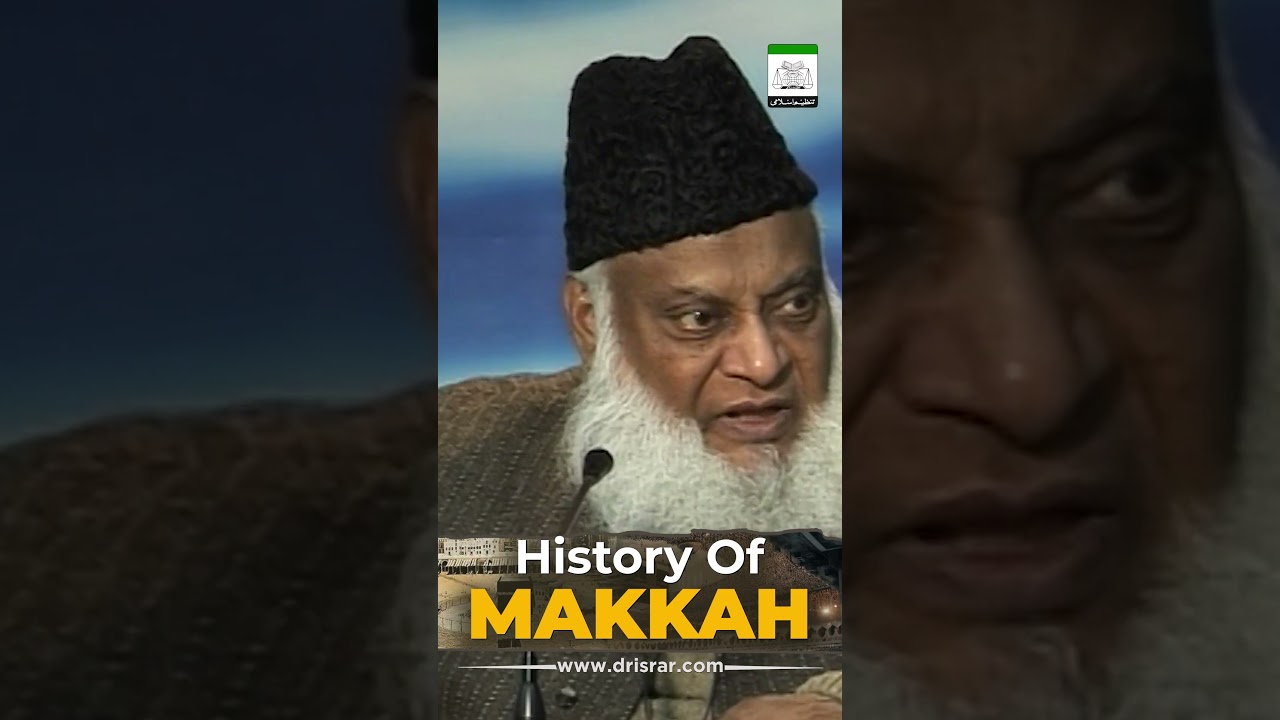
The Kaaba’s origins trace back to Prophet Adam, who was its first architect. The initial structure was destroyed by floods, leaving only its foundations. Prophet Ibrahim, guided by divine instruction, rebuilt the Kaaba upon those original foundations, with the help of his son Ismail. Thus, Ibrahim became the second architect of the Kaaba, restoring it as a place of worship. The lecture details the historical and spiritual significance of the Kaaba's construction and the roles of both Adam and Ibrahim in its creation.

47
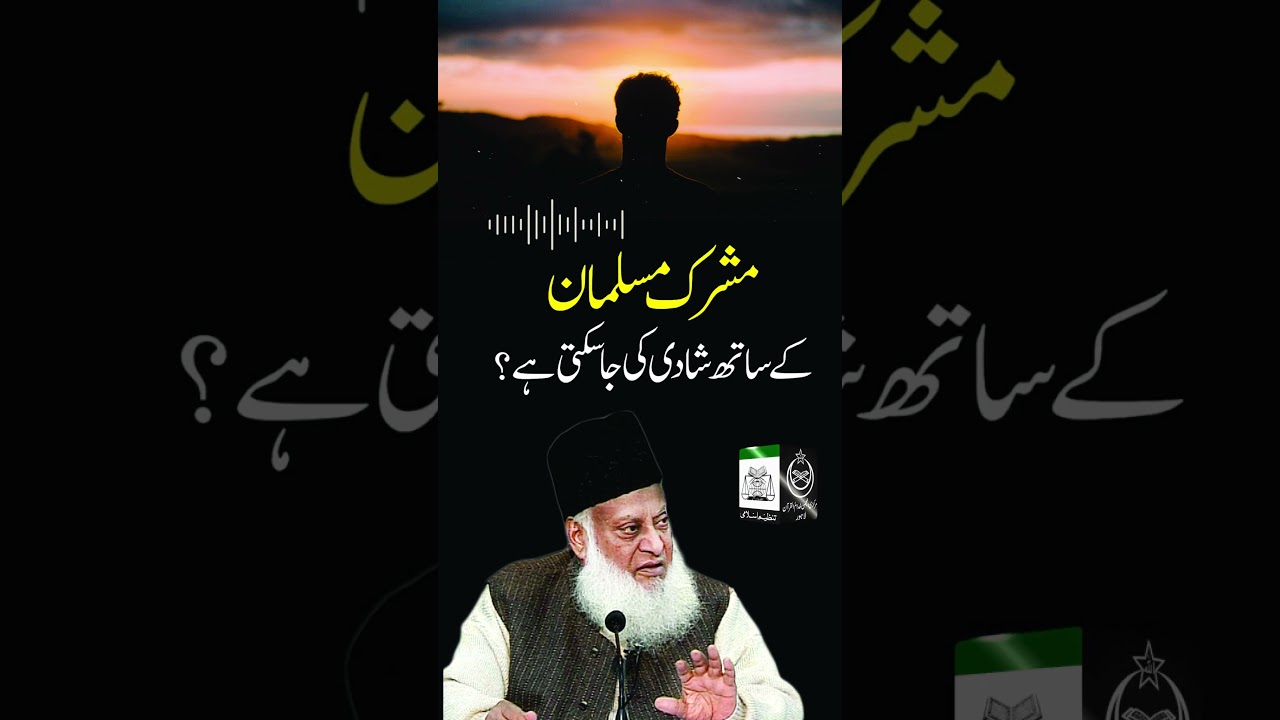
Dr. Arshad Maqbool discusses the permissibility of marriage to People of the Book (Ahl-e-Kitab) even though they associate partners with God. He clarifies that while Muslims who commit *shirk* remain Muslim but sinful, the category of People of the Book is distinct by divine decree. He highlights that despite the Quran refuting their beliefs, marriage to their women is permissible, based on God's command, not personal preference. This lecture explores the nuances of faith, sin, and divine law in the context of interfaith marriage.
71
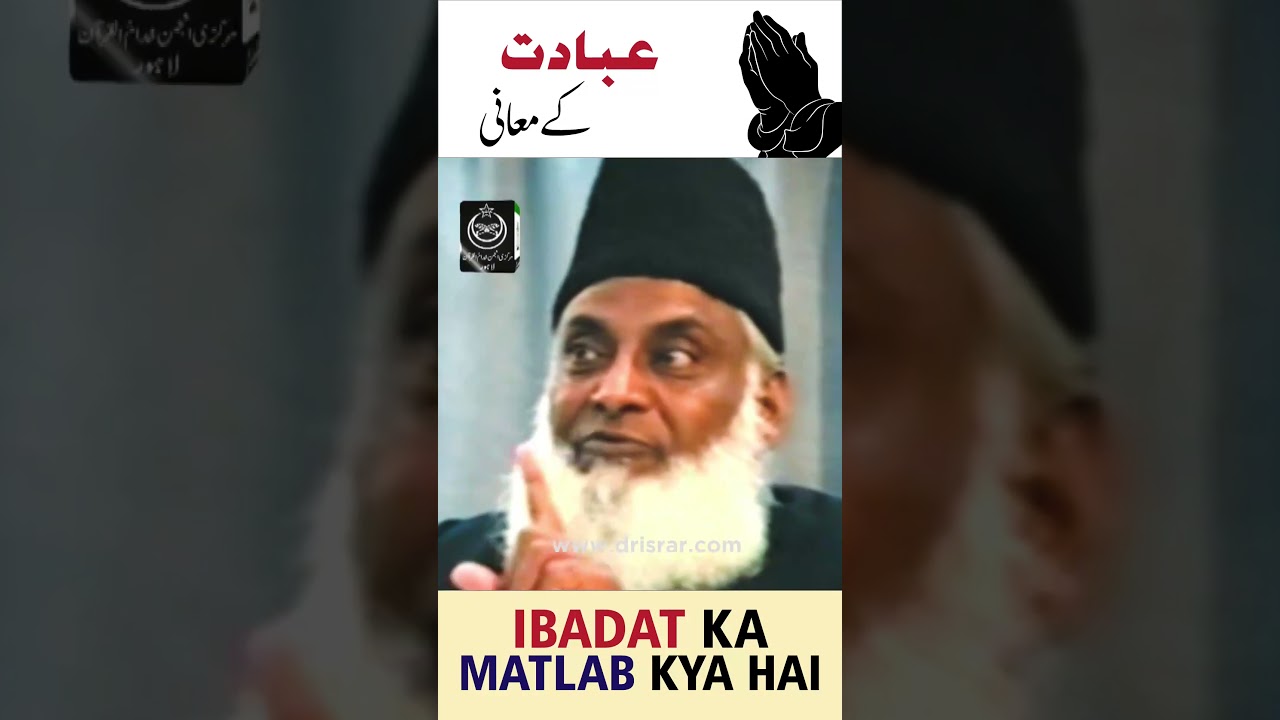
The concept of *ubudiyat* (devotion) encompasses two essential elements: the utmost love and complete submission. True devotion is achieved when both reach their peak, uniting in a profound connection with the Divine. This lecture emphasizes that devotion is fundamentally rooted in intense love for God, coupled with total surrender and humility before Him. These two aspects are inextricably linked; one cannot exist without the other. The complete yielding of self, and an absolute devotion, are the hallmarks of genuine worship.
42
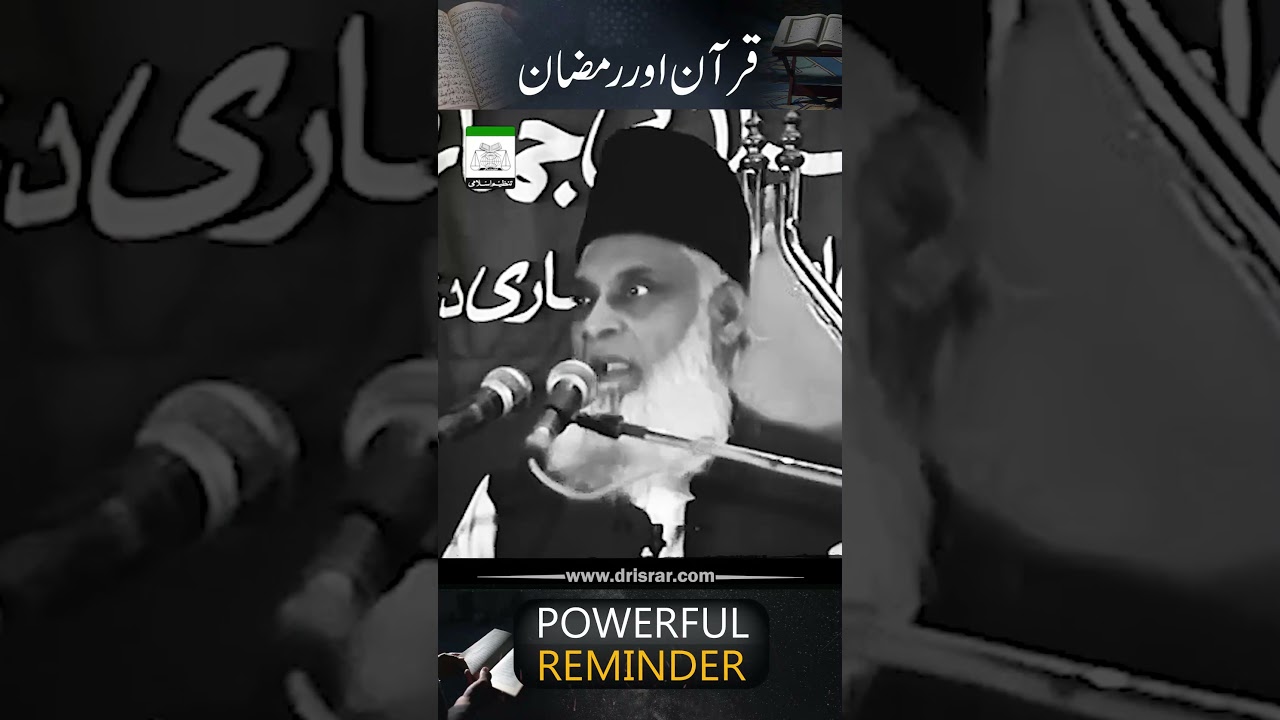
This lecture emphasizes the importance of reciting the Quran correctly and consistently, both day and night, and actively sharing its message with others. The speaker urges listeners to disseminate knowledge of the Quran to the best of their ability, ensuring no one is deprived of its guidance. Every individual is encouraged to teach what they’ve learned, recite what they’ve memorized, and explain what they understand, transforming this into a widespread movement dedicated to returning to the Quran. This is a call to prioritize and propagate the teachings of the Quran in all aspects of life.
44
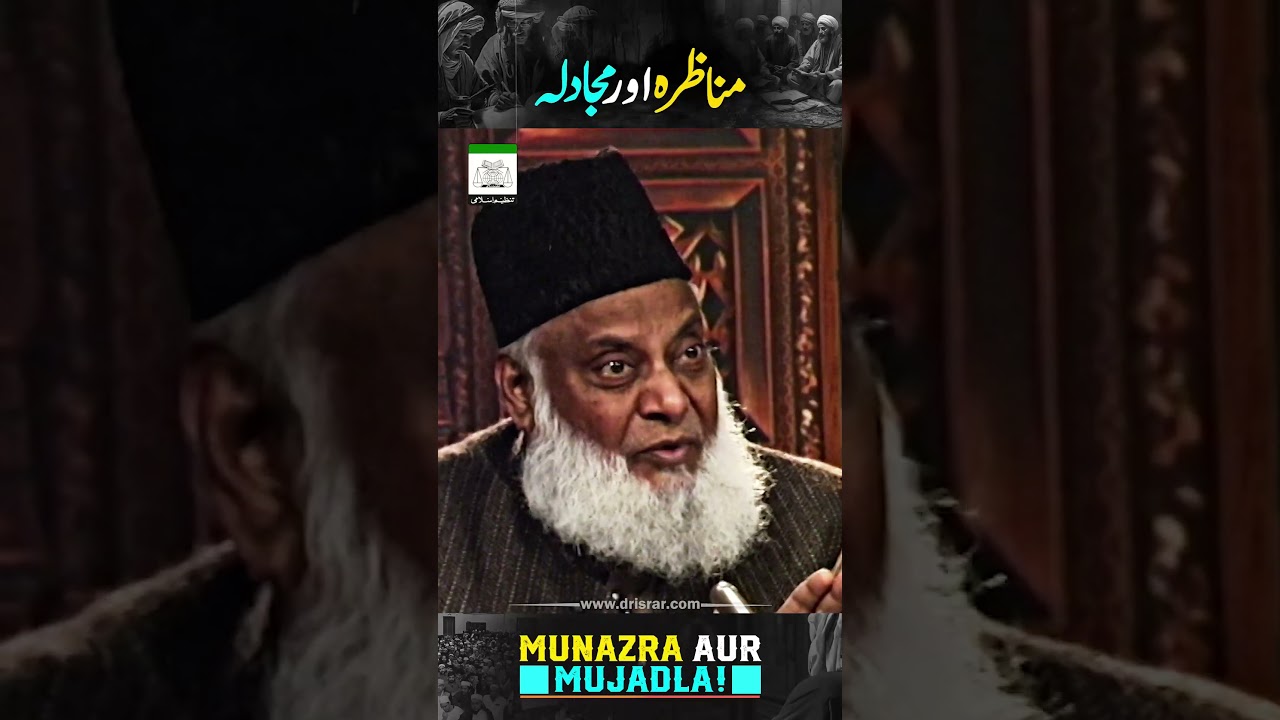
This lecture differentiates between *munazra* (debate) and *mujadla* (dialogue). *Mujadla* focuses on invitation and mutual respect, prioritizing the other party’s feelings and aiming to increase wisdom. *Munazra*, conversely, aims for victory and silencing the opponent, characterized by harshness and aggression. The term *munazra* does not appear in the Quran, highlighting a key distinction in approach.
56

The current system and its laws perpetuate injustice, widening the gap between the rich and the poor. Wealth accumulates with the privileged while the vulnerable remain oppressed. This system actively supports and protects ill-gotten gains, offering no benefit to those who are truly needy. The laws themselves are designed to uphold a flawed system, ensuring its continuation. Fundamental change requires reform of both the system and the laws governing it.
31
