Shorts
Accountability in the Hereafter exists regardless of prophetic guidance. Humans are inherently equipped with intellect and a moral compass to distinguish between right and wrong. The basis of this accountability stems from the inherent trial of human existence, as stated in the Quran. God created humanity from a mingled sperm and subjected them to trials, bestowing upon them hearing and sight, and granting them intellect and the faculty of discernment. Individuals will be held accountable for utilizing these faculties. The standard of judgment for those who did not receive a prophetic message is based on their inherent belief in one God and their performance of general good deeds versus evil acts, rather than adherence to specific religious rituals.

54
This lecture explores the core concept of prayer (dua) in Islam as a profound encounter between the ego (ana-e-sagheer) and the divine self (ana-e-kabeer). It posits that true prayer involves the annihilation of the smaller self before the grandeur of God. Dr. Israr Ahmad explains that this process of self-effacement allows for a deeper connection with the divine, moving beyond superficial requests to a realization of spiritual unity. The lecture details the journey from a limited, self-centered existence to a state of complete surrender and immersion in the divine presence. It’s a discussion of spiritual refinement and the essence of worship.
77
This lecture defines *Ankar-e-Munkarat* as opposition to systems of governance not based on divine law. It emphasizes that true commitment to faith requires active resistance – through action, speech, and internal conviction. The speaker argues that a collective, disciplined group is essential for meaningful change, something currently lacking in our approach to establishing divine law. The focus is often limited to personal piety or merely spreading the message, instead of striving for systemic transformation. Efforts should extend beyond individual good deeds and encompass a broader commitment to establishing justice and reforming societal structures.
67
Every individual is a vicegerent of God on Earth. Establishing divine governance begins with self-governance. Humans are entrusted with physical and intellectual capabilities as a divine deposit. The ‘self’—whether termed ego, soul, or *ruh*—is the actual vicegerent on this body, responsible for aligning one's existence, emotions, desires, and aspirations with God’s commands. This personal implementation of divine principles is the foundational requirement of vicegerency for every person.
217
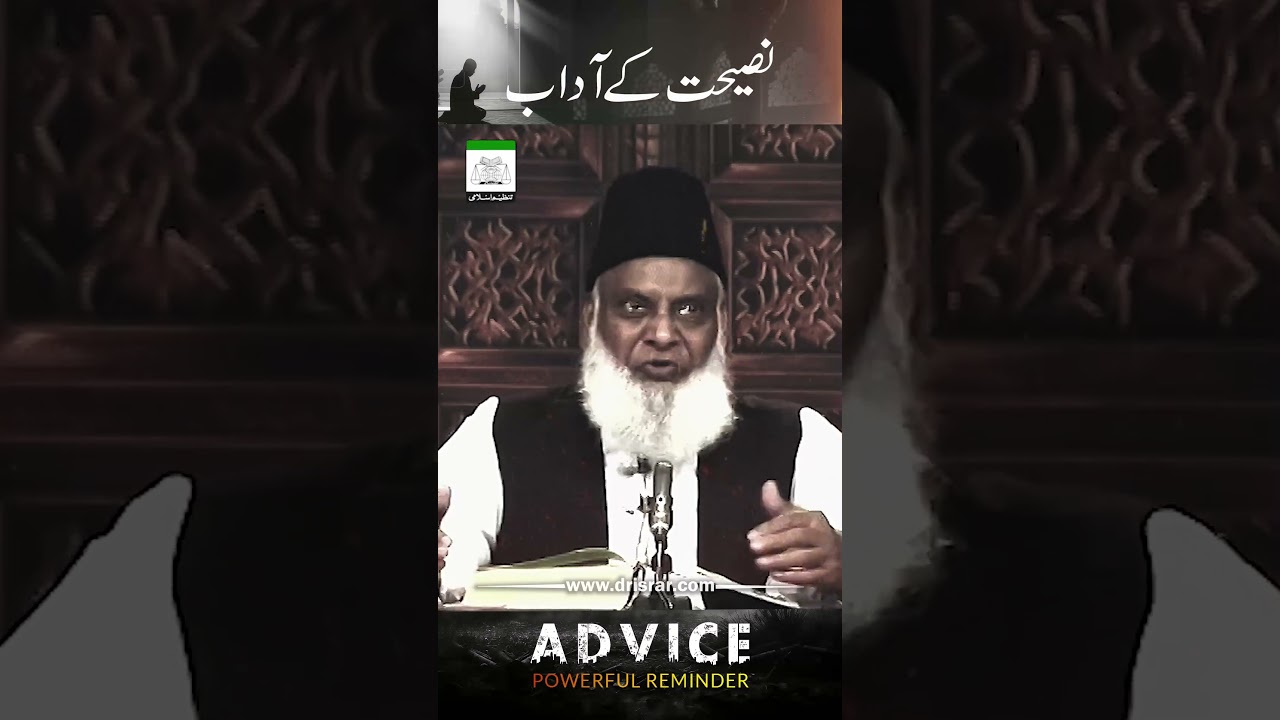
This lecture explores the qualities of a truly righteous individual: one who actively invites others to God, consistently performs good deeds, and sincerely identifies as a Muslim striving for obedience. The speaker emphasizes humility, acknowledging personal fallibility and the importance of repentance. A virtuous person isn't defined by claims of piety or perfection, but by a consistent return to God after mistakes. The core message is that genuine faith involves both action and sincere self-assessment.
90
This lecture addresses a critical deviation within the Muslim community, identifying a shift towards Murjiya – a state of complacency where outward claims of faith overshadow genuine inner conviction. It clarifies the distinction between legalistic faith, reliant on outward actions, and true faith rooted in sincere belief and heartfelt certainty. The speaker emphasizes that authentic faith necessitates the inseparable integration of belief and practice, where deeds are not merely supplementary but integral components of a living, breathing faith. The lecture warns against prioritizing outward adherence to rituals over cultivating genuine fear of God and hope for His mercy, advocating for a balanced state between these two essential qualities.
46
