निकर

Accountability in the Hereafter exists regardless of prophetic guidance. Humans are inherently equipped with intellect and a moral compass to distinguish between right and wrong. The basis of this accountability stems from the inherent trial of human existence, as stated in the Quran. God created humanity from a mingled sperm and subjected them to trials, bestowing upon them hearing and sight, and granting them intellect and the faculty of discernment. Individuals will be held accountable for utilizing these faculties. The standard of judgment for those who did not receive a prophetic message is based on their inherent belief in one God and their performance of general good deeds versus evil acts, rather than adherence to specific religious rituals.

54

This lecture addresses the grave sin of associating partners with God, specifically the pre-Islamic Arabian practice of assigning gender to God and believing in divine offspring. It highlights how attributing progeny to Allah is the most egregious form of *shirk*. The discussion condemns the notion of God having sons and daughters, referencing the verse about God's displeasure with angels who assigned gender to Him. The lecture emphasizes the immense audacity of such a claim and warns against its consequences.
36

Dr. Israr Ahmad comprehensively explains the profound concept of *tazkiya* (self-purification) as outlined in the Quran. He breaks down the process into four essential stages: purification of thought (*tathir-e-fikr*), purification of the *nafs* (lower self), purification of the heart (*tasfiya-e-qalb*), and illumination of the soul (*tajalliy-e-ruh*). He emphasizes that true progress requires removing obstacles to spiritual growth, addressing both internal and external influences. The lecture highlights the Quran as the primary tool for *tazkiya*, detailing how it affects the intellect, the heart, and the soul. Dr. Ahmad draws parallels between the Quran's wisdom and the purification process, explaining how its verses resonate with the human spirit. He concludes by referencing the teachings of Iqbal and Hadith, further illustrating the importance of confronting and reforming the inner self, and how the Quran can transform an individual’s life.
175
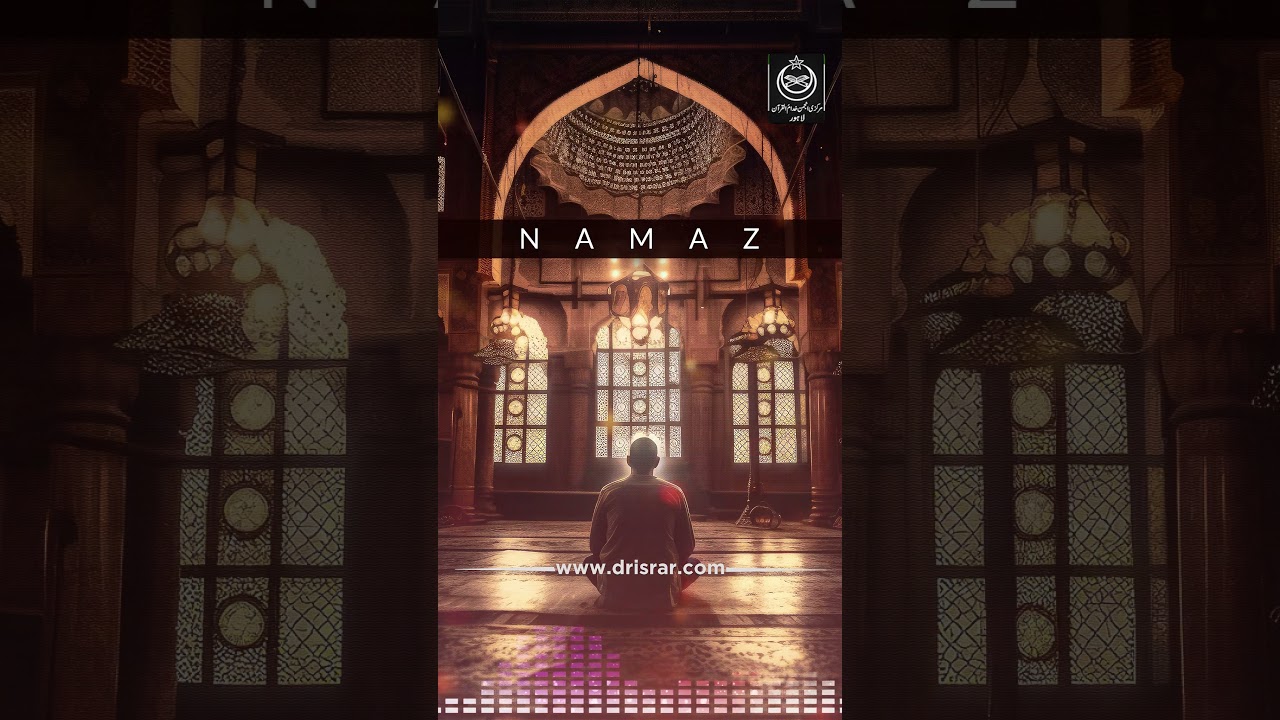
True goodness isn't merely external ritual; it’s an internal transformation affecting the entire being. The essence of worship, like prayer, lies not in its technicalities, but in achieving a spiritual presence with God. Genuine prayer evokes a heartfelt connection, a sense of joy, and a direct communion with the Divine. The experience should be one of complete surrender and humility before God. Without this spiritual depth, the act remains incomplete.
42
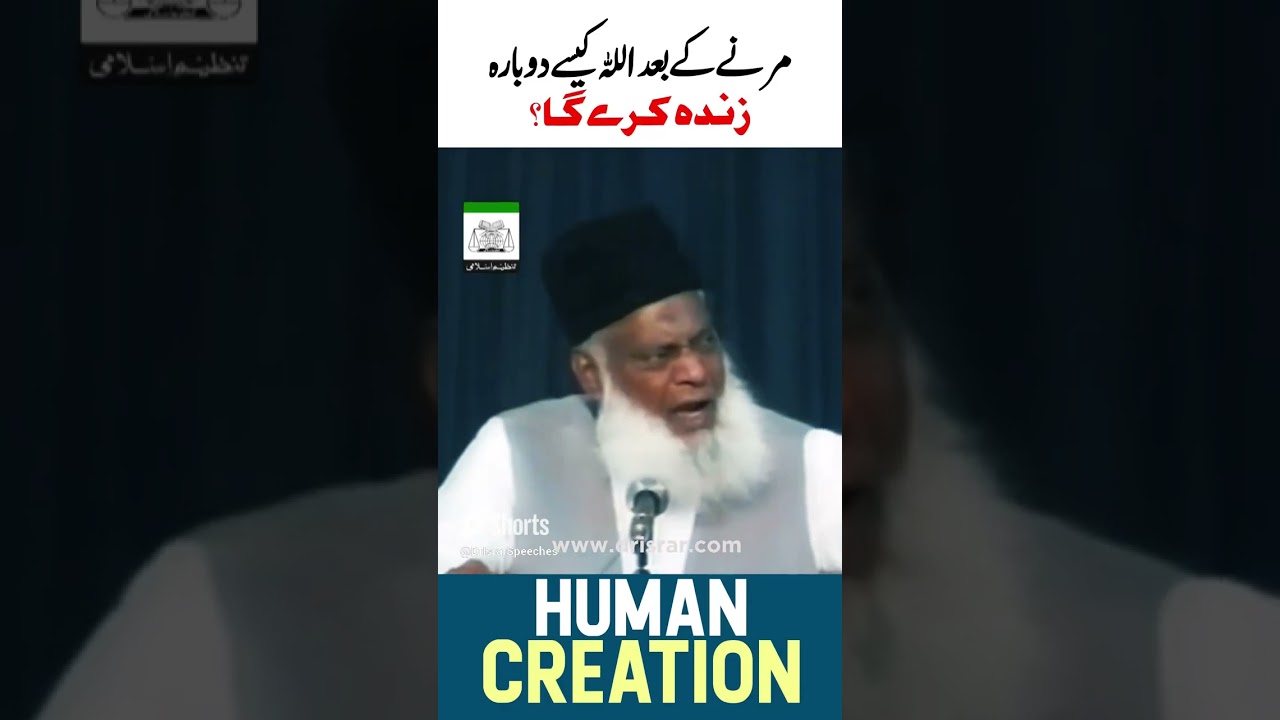
The text addresses the question of resurrection and the origin of life, arguing that if a creator initially fashioned existence from humble beginnings, replicating that creation is demonstrably easier the second time. It posits that the initial act of creation is the most challenging, while subsequent iterations are simplified. The argument extends to all of creation—from scientists like Einstein and Newton to prophets and saints—all originating from the same source and thus potentially recreatable.
46

This lecture discusses the plight of women, particularly in Western societies, highlighting the burdens they bear – pregnancy, childbirth, and financial responsibility. It critiques the objectification of women and questions the values of Western civilization, suggesting a concerning trend of exploitation and disregard for their dignity. The speaker emphasizes the need to understand and respect women's true worth and role in society.
93
