Korte broek
This lecture emphasizes the fulfillment of promises made to Muslims – establishing righteous governance, enabling the practice of their faith, and achieving ultimate peace. It highlights the deficiency of worship in the absence of a system governed by divine law, warning against societal disobedience and the consequences of rejecting Allah’s guidance. The speaker stresses the importance of courage, collective action, and unwavering faith in pursuing the establishment of a just and divinely ordained order. It cautions against compromising on principles and adhering to systems of injustice, emphasizing that true worship is only complete when the entire life is submitted to Allah’s will. The lecture concludes by urging believers to step forward with courage and establish Allah’s dominion.

61
True faith is a profound attribute, but it requires cultivation. Its source and foundation lie within the Quran. Genuine faith isn't acquired through philosophical debate or intellectual reasoning, but through deep contemplation and immersion in the Quran. The Quran unlocks the heart's potential, revealing truths to those who reflect upon its verses. Deliberate study and thoughtful engagement with the Quran are essential for fostering conviction and illuminating the path to spiritual understanding. This process unlocks the heart and strengthens belief.
68
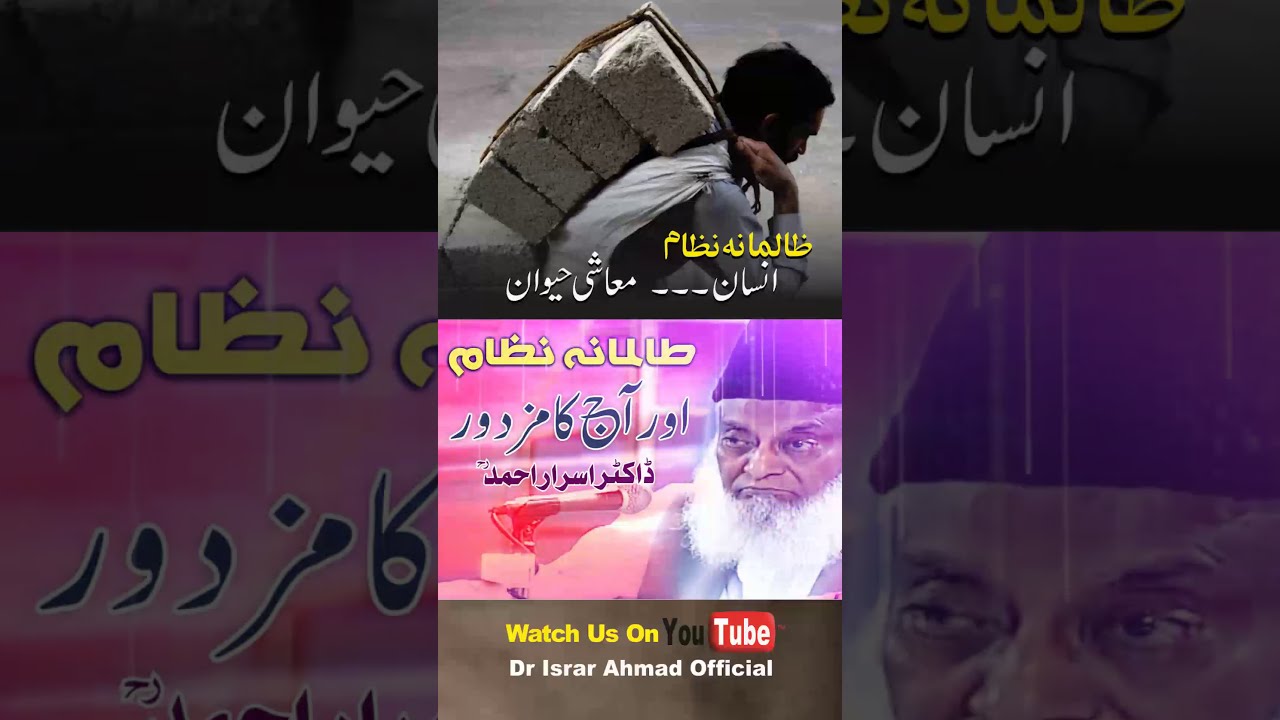
This lecture addresses the plight of the impoverished, highlighting the harsh realities faced by those struggling to meet basic needs. It emphasizes that individuals preoccupied with daily survival – those who cannot consistently secure even two meals a day and labor for ten to twelve hours – are deprived of the capacity for spiritual contemplation. The speaker asserts that systemic poverty degrades humanity, reducing individuals to a bestial existence, akin to livestock. This degradation strips them of their dignity and their ability to connect with the divine.
1,429
This lecture details the rulings surrounding I'tikaf during the last ten days of Ramadan. It clarifies that I'tikaf begins on the 21st night after the 20th night has passed. The lecture emphasizes that physical intimacy is prohibited for those observing I'tikaf within the mosque, although wives may visit for essential consultations or meetings. This session explains the wisdom behind these rulings and the permissible interactions during I'tikaf.
67
The Quran emphasizes the husband's role as a protector and provider within marriage, requiring the wife’s obedience unless the command involves sin. It highlights that righteous wives are obedient to their husbands, but obedience is not required in matters of disobedience to God. Husbands are responsible for guiding their wives towards righteousness and maintaining a just and loving relationship. This lecture clarifies the rights and responsibilities within a marital bond, emphasizing the importance of mutual respect and adherence to divine guidance.
147
This lecture addresses the dangers of linguistic and cultural biases, clarifying that regional, ethnic, and linguistic identities are not inherently sinful. It emphasizes that every culture and language has a right to flourish, provided any elements conflicting with Islamic teachings are removed. The lecture highlights the unique status of the Arabic language not due to its speakers, but because it is the language of the Quran and the sayings of the Prophet Muhammad, making its study essential for direct understanding of religious texts. It cautions against exclusionary attitudes based on language or culture, likening such behavior to a useless tool.
69
