শর্টস
Human sovereignty is fundamentally flawed and unacceptable in Islam. True authority and governance belong solely to Allah. Any claim to sovereignty by individuals, whether pharaohs or tyrants, represents impurity and disbelief. The concept of human rule is akin to a massive, pervasive filth that cannot be cleansed, even if distributed across all of society. Islamic monotheism (Tawhid) centers on recognizing Allah as the ultimate and only sovereign.

52
This lecture clarifies the varying interpretations of the term “Moula” (master/lord) in relation to Hazrat Ali. It explains that while using the term is not inherently problematic, some interpretations, particularly within Shia Islam, elevate Hazrat Ali to a status exceeding his role as a companion and leader. The speaker emphasizes that attributing problem-solving solely to Hazrat Ali is inaccurate, as he himself faced difficulties and unresolved conflicts during his life. The lecture cautions against exaggeration and excessive devotion, highlighting that true power and resolution reside with Allah alone. The discussion focuses on understanding the correct reverence for historical figures within an Islamic framework.
72
A nation claims to believe in God, the Prophet, the Quran, and Sharia, yet fails to fully implement it. Partial adherence is deemed worse than outright rejection. The Quran, specifically Surah Baqarah verse 85, warns that selective acceptance of divine law leads to severe punishment. Those who choose this path face disgrace in this world and intense torment on the Day of Judgment. This lecture emphasizes the necessity of complete submission to the entirety of Sharia for true faith and salvation.
57
Shirk, or associating partners with God, manifests differently across eras. The forms of shirk prevalent centuries ago are not necessarily identical to those of today. New forms of shirk emerge, requiring continuous discernment and intellectual insight. Without this insight, individuals may mistakenly label practices as shirk based on historical rulings, while failing to recognize contemporary expressions of shirk. The ability to identify and reject the shirk of one’s own time is crucial, as demonstrated by scholars like Ibn Taymiyyah, but recognizing *current* forms of shirk demands ongoing vigilance.
54
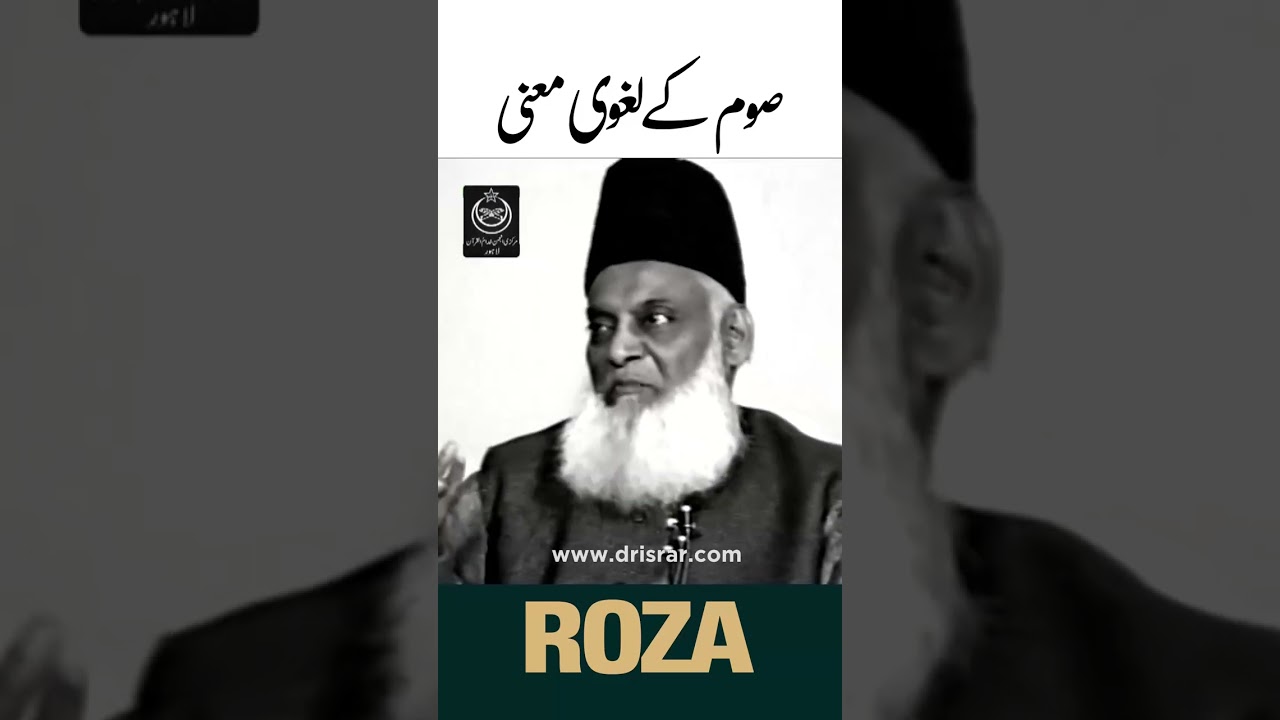
The word ‘Sawm’ (fasting) fundamentally means to abstain or stop. This encompasses ceasing from eating and drinking, halting speech, or even pausing physical activity. The Quranic verse from Surah Maryam references a vow of abstinence. Historically, ‘Sawm’ in pre-Islamic Arabian society denoted refraining from desires, including sexual activity. It also described a horse standing perfectly still. The term was adopted by the Quran to define the act of fasting as a form of worship, signifying a complete cessation of bodily needs and worldly distractions. It’s a comprehensive cessation, not merely from food and drink, but from all impulsive desires and worldly engagements.
82
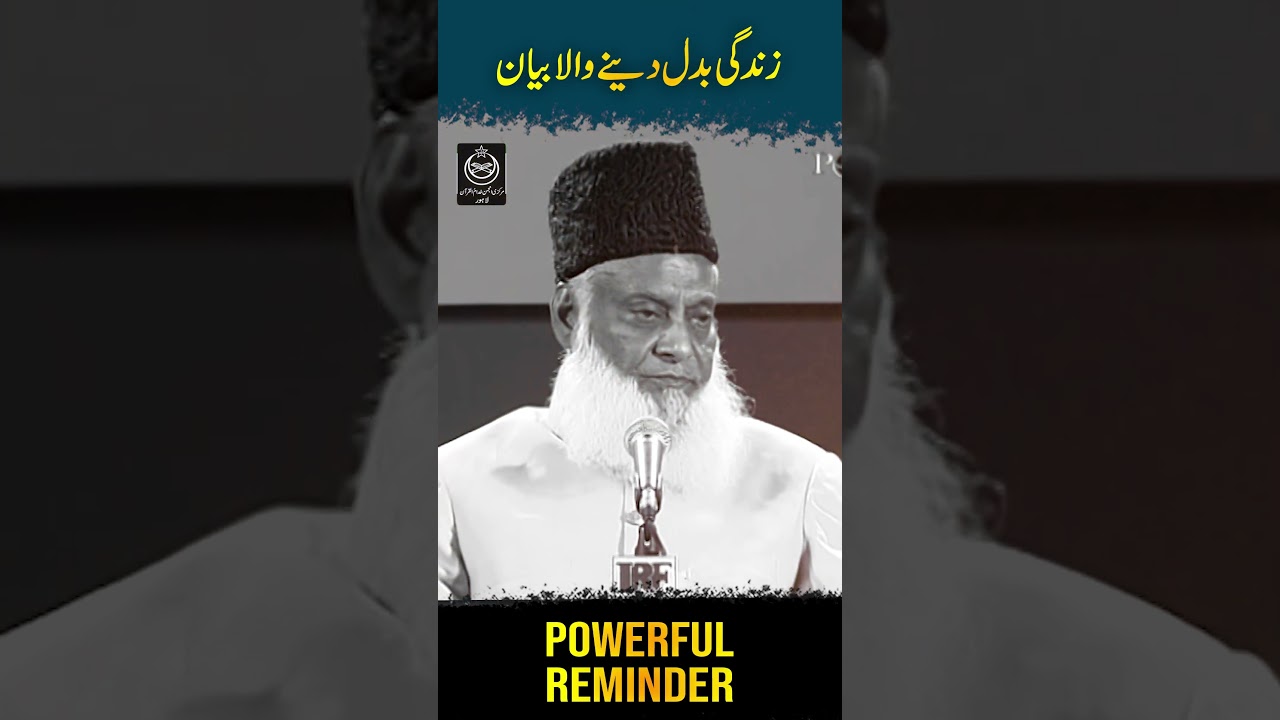
This lecture emphasizes the importance of dying in a state of submission to God. It cautions against the dangers of dying while disobeying divine commands, highlighting that repentance may not always be possible before death. The speaker uses examples of individuals who died in states of disobedience, such as intoxication, to illustrate the gravity of the situation. The ultimate message is to live a life of constant vigilance and obedience, ensuring that death finds one in a state of faith and submission. Every moment should be guarded against transgression, and a life dedicated to God’s commands is essential for a peaceful and accepted death.
68
