Şort
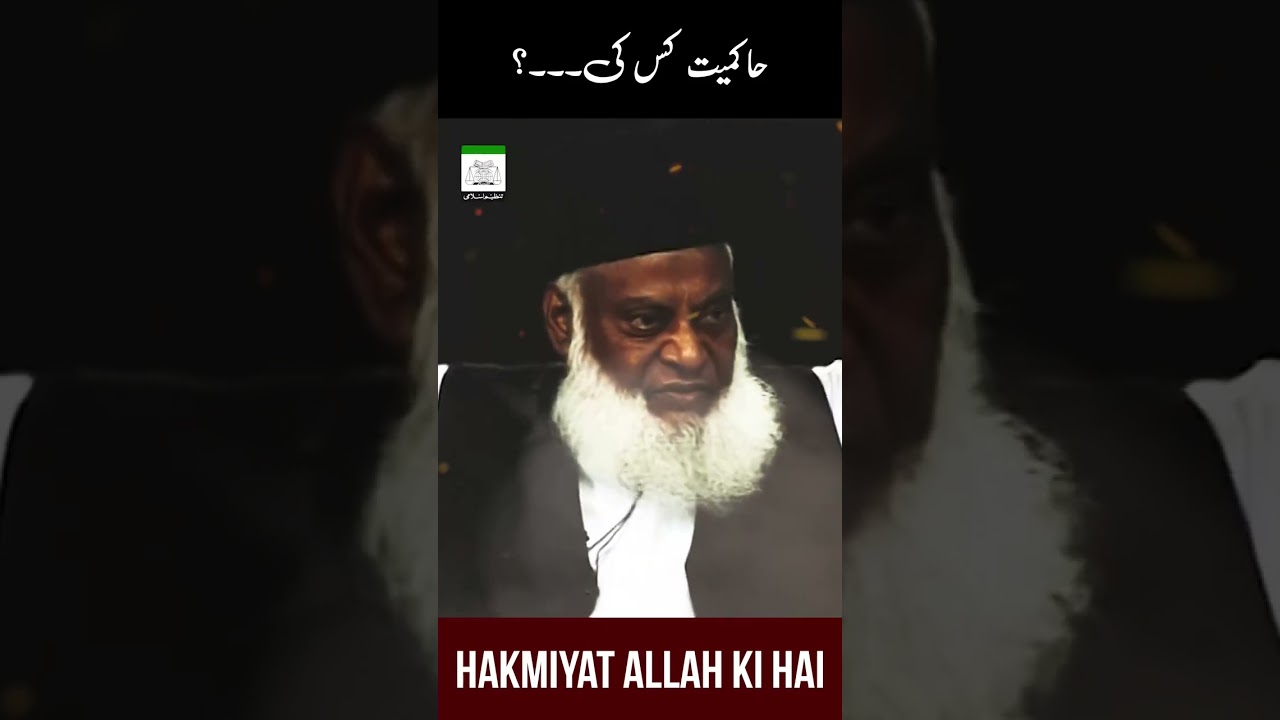
Human sovereignty is fundamentally flawed and unacceptable in Islam. True authority and governance belong solely to Allah. Any claim to sovereignty by individuals, whether pharaohs or tyrants, represents impurity and disbelief. The concept of human rule is akin to a massive, pervasive filth that cannot be cleansed, even if distributed across all of society. Islamic monotheism (Tawhid) centers on recognizing Allah as the ultimate and only sovereign.

52
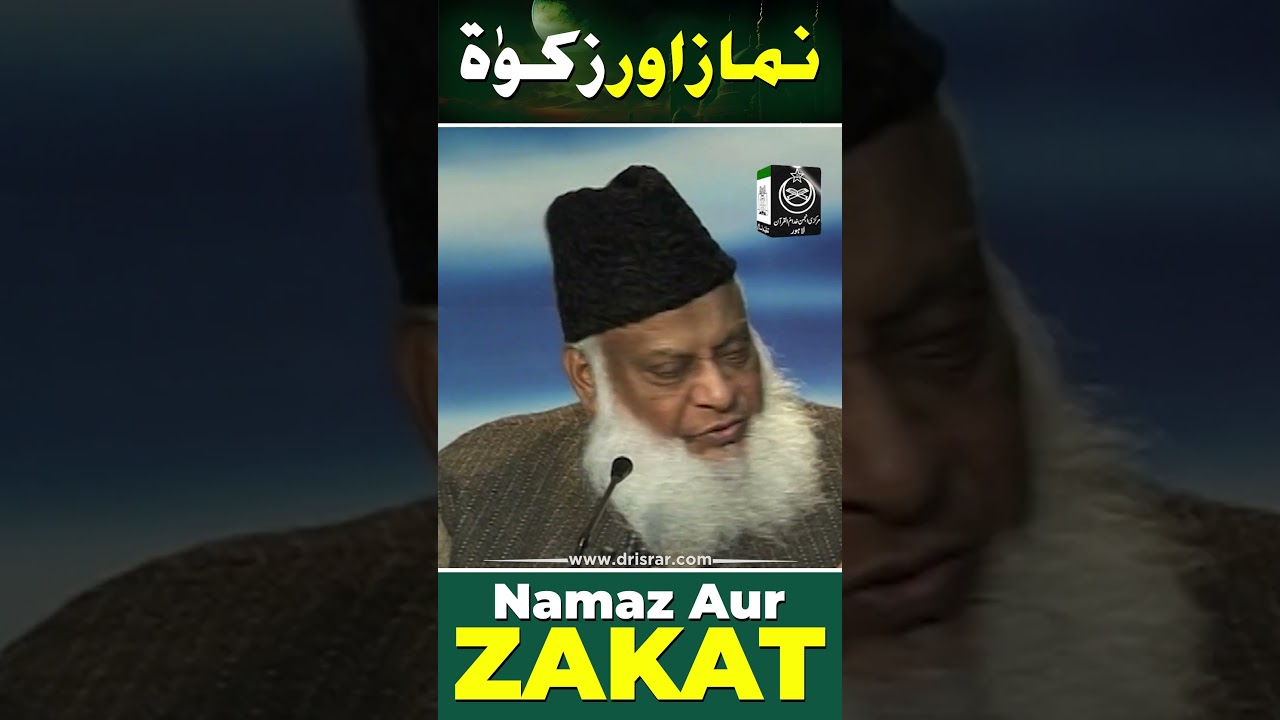
The Quran places significant emphasis on the observance of Salah (prayer) and Zakat (charity), repeatedly outlining their importance. While the verses detailing the complete regulations for fasting are concentrated in Surah Al-Baqarah, references to fasting are often limited to instances requiring expiation. Unlike fasting, the Quran consistently presents Salah and Zakat as independent, fundamental obligations. The repeated emphasis on these two pillars suggests their central role in Islamic practice and faith.
54
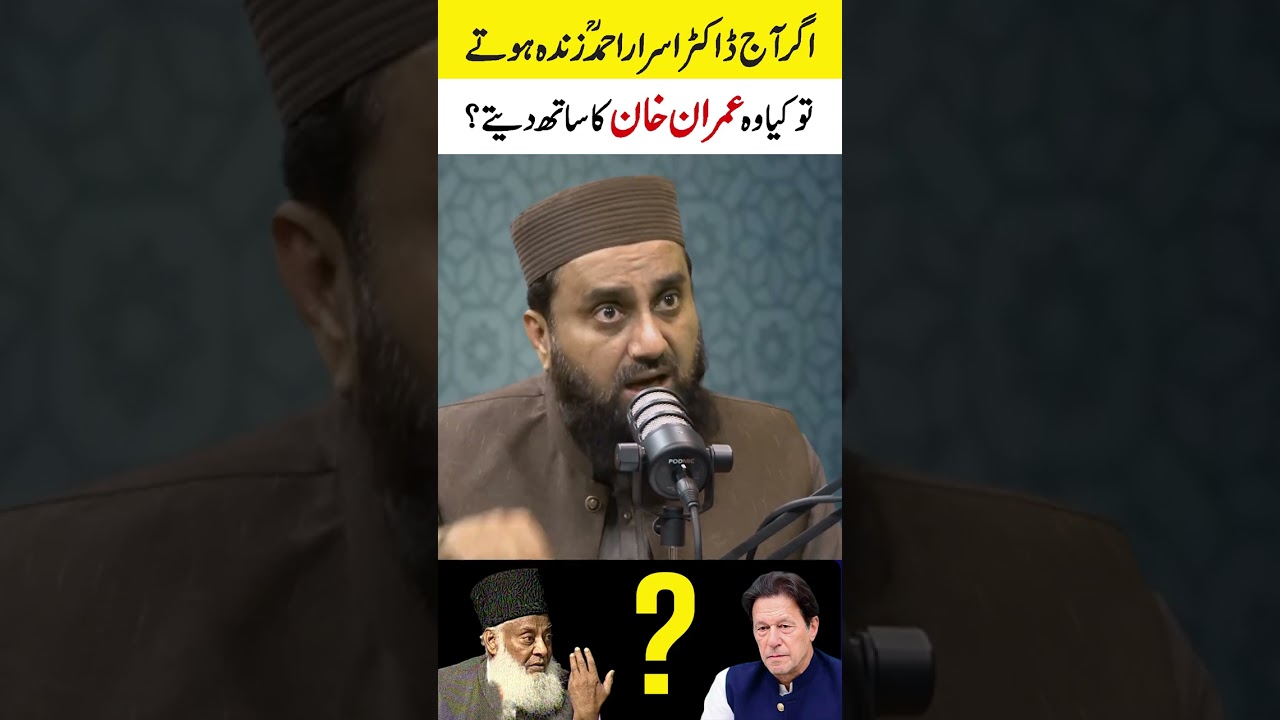
Dr. Israr Ahmad discusses the concept of a 'State of Medina' and its moral foundations, criticizing the hypocrisy of those who invoke its principles while failing to embody its ethical standards. He emphasizes the importance of upholding justice, promoting good, and preventing evil, and warns against inconsistency between professed ideals and actual conduct. He stresses the need for genuine piety and righteousness in all aspects of life, particularly within political spheres. He further clarifies that offering constructive advice to those in power is a continuous responsibility, driven by a desire for societal betterment.
61
The pursuit of truthfulness is often hindered by perceived consequences. While dishonesty may offer immediate benefits, genuine motivation stems from love for God and the belief in accountability in the afterlife. This internal force compels individuals to choose righteousness over self-serving deceit. God favors those who fulfill their promises and detest those who break them. The cultivation of divine love naturally leads one to embrace good deeds and abstain from evil, driven by an inherent desire to please God.
47
Sheikh Abdul Qadir Jilani emphasized that true power and provision come solely from Allah. Nothing possesses inherent efficacy; fire cannot burn, water cannot drown, poison cannot kill, or anything benefit without Allah’s will. Reliance should be placed entirely on Allah, not on worldly means or intermediaries. The lecture stresses complete trust in Allah for all needs and outcomes.
56
This lecture emphasizes the importance of a firm commitment to Allah and adherence to the Quran as a means of spiritual connection. It highlights the initial step of resolute intention and consistent effort in pursuing this path. The discussion focuses on prayer and charity as foundational practices, acknowledging the challenges and obstacles that arise during spiritual growth. The speaker encourages perseverance and reliance on Allah's guidance throughout the journey.
74
