Shorts
This lecture explores the conflict between intellect and passionate faith, using the story of Ibrahim and Nimrod as a central analogy. It argues that true devotion requires transcending rational self-preservation. The speaker emphasizes that while intellect provides guidance and direction, moments of profound commitment demand acting beyond logical calculation, fueled by unwavering belief. It highlights the importance of emotional conviction in propagating a message, even at personal risk, and asserts that intellectual analysis alone cannot drive transformative action. The lecture encourages listeners to move beyond purely rational thought when pursuing higher purposes, embracing the power of heartfelt conviction.

73
This lecture emphasizes the importance of recognizing truth and excellence wherever it exists, regardless of sectarian or group affiliation. It critiques the insularity of religious circles, which often limit perspectives to a single school of thought, hindering intellectual growth and unity. The speaker advocates for open-mindedness, studying diverse perspectives, and acknowledging the contributions of scholars from all backgrounds to foster understanding and strengthen the collective pursuit of faith. Recognizing shared values and learning from the past is essential for progress and overcoming narrow-mindedness.
82
The concept of *ubudiyat* (devotion) encompasses two essential elements: the utmost love and complete submission. True devotion is achieved when both reach their peak, uniting in a profound connection with the Divine. This lecture emphasizes that devotion is fundamentally rooted in intense love for God, coupled with total surrender and humility before Him. These two aspects are inextricably linked; one cannot exist without the other. The complete yielding of self, and an absolute devotion, are the hallmarks of genuine worship.
56
This lecture explores a stanza from the poem 'Sam-e-Hayat,' interpreting its metaphorical connection between the rhythm of a military funeral procession and the beating of one’s own heart as a measure of time approaching death. The speaker explains that each beat of the drum in the funeral procession brings the coffin closer to the grave, mirroring how each heartbeat brings an individual closer to their final destination. The poem's imagery highlights the transient nature of life and the inevitability of death, urging reflection on mortality.
83
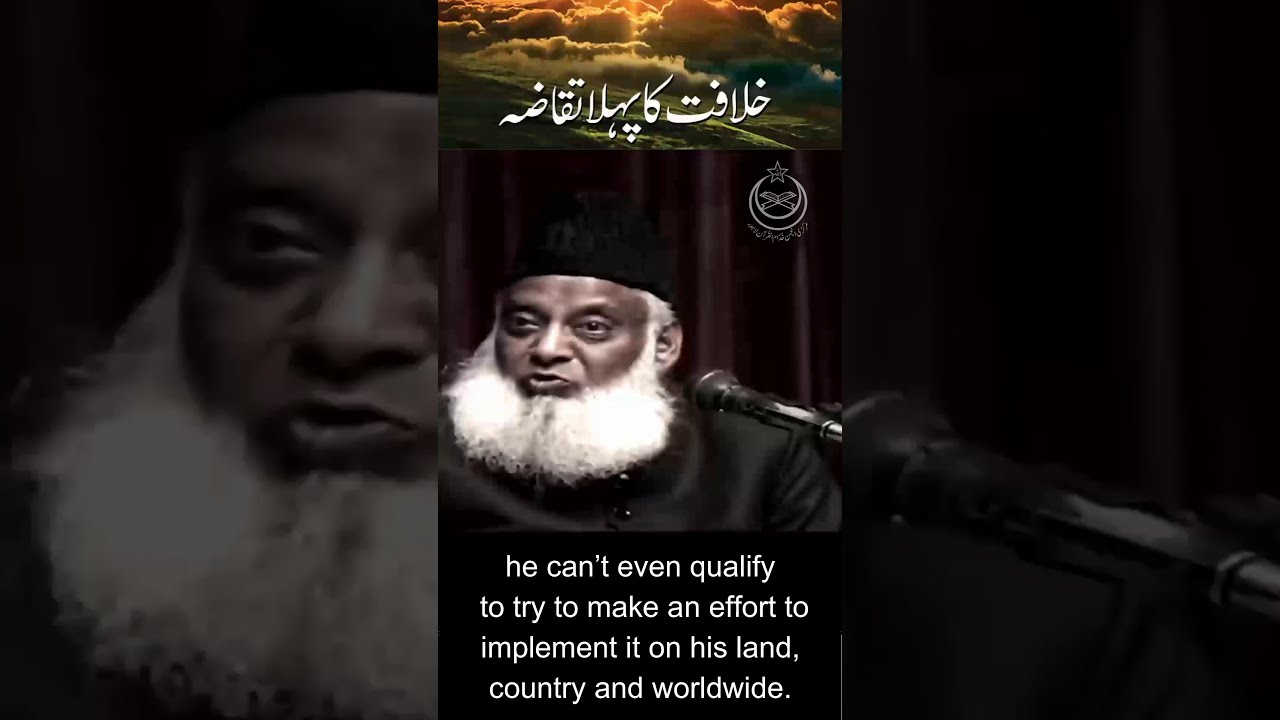
Every individual is a vicegerent of God on Earth. Establishing divine governance begins with self-governance. Humans are entrusted with physical and intellectual capabilities as a divine deposit. The ‘self’—whether termed ego, soul, or *ruh*—is the actual vicegerent on this body, responsible for aligning one's existence, emotions, desires, and aspirations with God’s commands. This personal implementation of divine principles is the foundational requirement of vicegerency for every person.
218
علامہ اقبال نے برعظیم پاک و ہند میں ایک علیحدہ مسلم مملکت کے قیام کی تین بنیادی وجوہات بیان کی ہیں۔ اول، یہ متحدہ ہندوستان میں مسلمانوں اور ہندوؤں کے درمیان جاری کشمکش کا واحد حل تھا۔ دوم، اس مملکت کے ذریعے مسلمانوں کو اسلام کا حقیقی نظام، جو محمد عربی صلی اللہ علیہ وسلم نے قائم کیا تھا، بحال کرنے کا موقع ملے گا۔ یہ نظام خلافت راشدین پر مبنی ہے، جو ملوکیت کے دور میں فراموش ہو گیا تھا۔ سوم، اقبال نے کہا کہ پاکستان، بھارت کا سب سے بڑا محافظ ثابت ہوگا۔ انہوں نے کہا کہ یہ ملک شمال مغربی سرحد پر بھارت کی حفاظت کرے گا۔
41
