Shorts
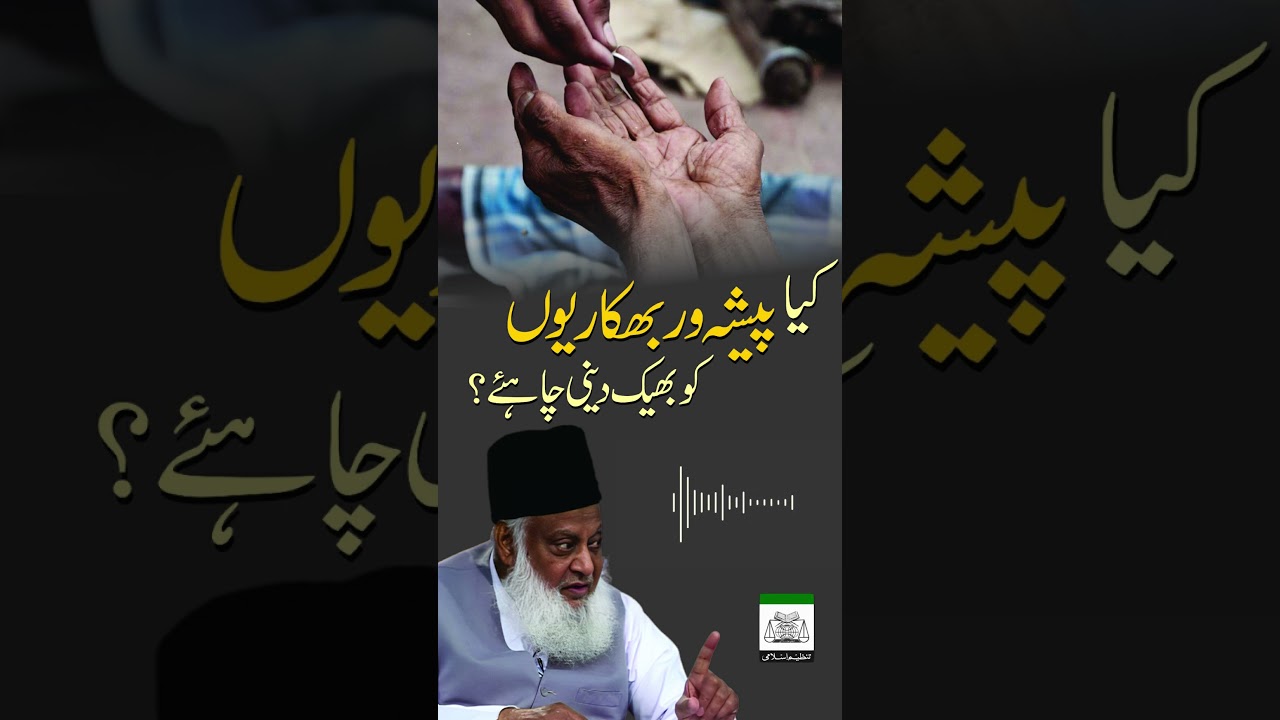
Dr. Israr Ahmad argues against giving money to professional beggars, stating it perpetuates a harmful system and discourages genuine charity. He emphasizes identifying and directly supporting those truly in need within one’s community, advocating for delivering aid to their homes rather than enabling begging. He asserts that supporting beggars inadvertently funds an institution of exploitation and makes those who do so complicit in a societal ill. True charity, he explains, involves identifying genuine need and providing direct assistance.

49
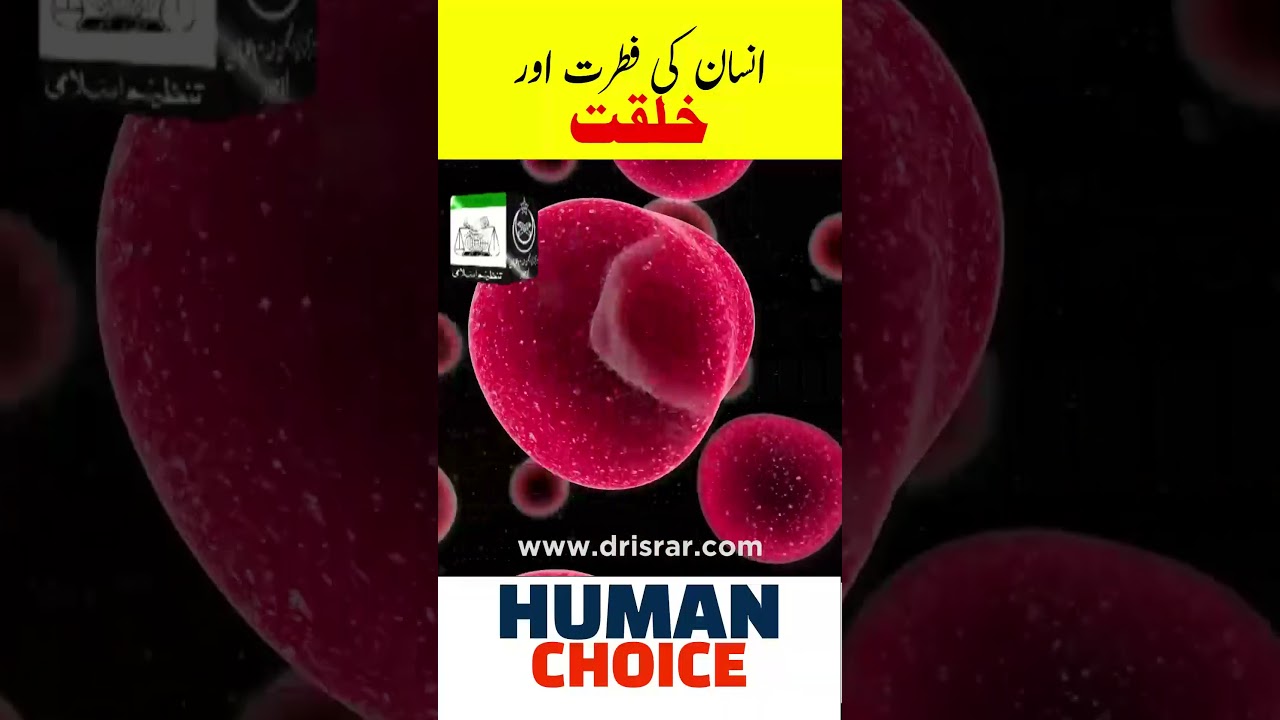
Human life begins with a unique creation, possessing inherent vitality from conception. Even before fertilization, both sperm and ovum exhibit life. All characteristics of life are present in the developing embryo. The embryo is a living organism, not an inanimate object. A crucial stage arrives approximately 120 days after conception. Prior to this, the creation is linked to four specific elements detailed in religious texts. The spirit, or soul, is infused into the embryo after this 120-day period, encompassing and permeating its very being.
58
This lecture explores the deeper meaning of directing one’s attention towards God during prayer, specifically referencing Surah Fatiha. It explains that simply facing the Kaaba is insufficient; genuine connection requires inward focus and spiritual awakening. The speaker elucidates the verse concerning God’s responsiveness to sincere pleas, emphasizing His proximity to those who seek Him with earnestness. True prayer involves a complete turning towards God, a purification of intention, and an awareness of His presence. God answers every call, accepts every supplication, and responds to those who call upon Him sincerely, regardless of location.
102

The core concept of *La Ilaha Illallah* is the absolute Oneness of God. It signifies that there is no deity worthy of worship except Allah. This declaration demands complete devotion and the recognition of Allah as the sole object of love, desire, and worship. True *Tawhid* (Oneness of God) necessitates that all other loves and desires are subordinate to the love of Allah, leaving no independent beloved except Him. The essence of *Tawhid* lies in recognizing Allah as the only true and ultimate beloved, stripping away all other competing affections.
87

Pre-Islamic Arabs practiced forms of worship that mirrored some Islamic rituals. While distorted, practices resembling prayer (salat) existed, although expressed through clapping and whistling. The pilgrimage to the Kaaba (hajj) was also common, though the Quraish limited their participation to Mina instead of Arafat. Animal sacrifice (qurbani) was routinely performed, and the core phrases of the pilgrim’s chant (talbiyah) remained largely unchanged. These practices demonstrate a pre-existing spiritual inclination among the Arabs, which Islam later refined and perfected.
54
This lecture elucidates the inherent truth and ultimate triumph of Islam as a complete way of life. It asserts that God sent His Messenger with guidance and truth to establish a just order, ensuring the dominance of divine law over all other systems. The core message emphasizes that the divine system will prevail, overcoming injustice and establishing a righteous world. The lecture highlights the inevitability of God’s plan for the supremacy of truth and justice, ultimately leading to a world governed by divine principles.
60
