Шорты
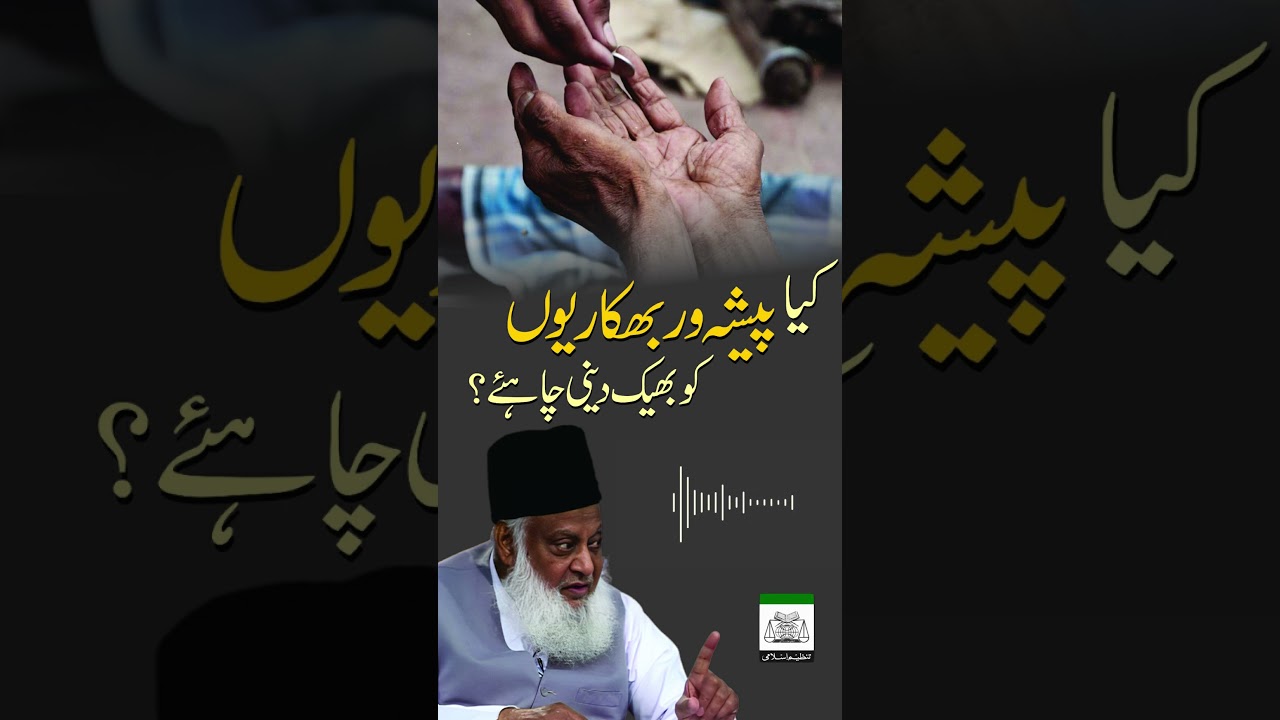
Dr. Israr Ahmad argues against giving money to professional beggars, stating it perpetuates a harmful system and discourages genuine charity. He emphasizes identifying and directly supporting those truly in need within one’s community, advocating for delivering aid to their homes rather than enabling begging. He asserts that supporting beggars inadvertently funds an institution of exploitation and makes those who do so complicit in a societal ill. True charity, he explains, involves identifying genuine need and providing direct assistance.

49

This lecture emphasizes the certainty of meeting God and the rewards awaiting those who remain steadfast in faith and patience. It addresses the unseen struggles and sacrifices made for others, often without recognition, and highlights the importance of enduring hardship with the promise of eventual reward in paradise. The speaker reassures listeners that God is aware of their trials and has prepared a welcoming reception for them in the afterlife. It also touches upon the whispers of doubt and the importance of remaining firm in belief, remembering that God is the All-Hearing and All-Knowing.
64
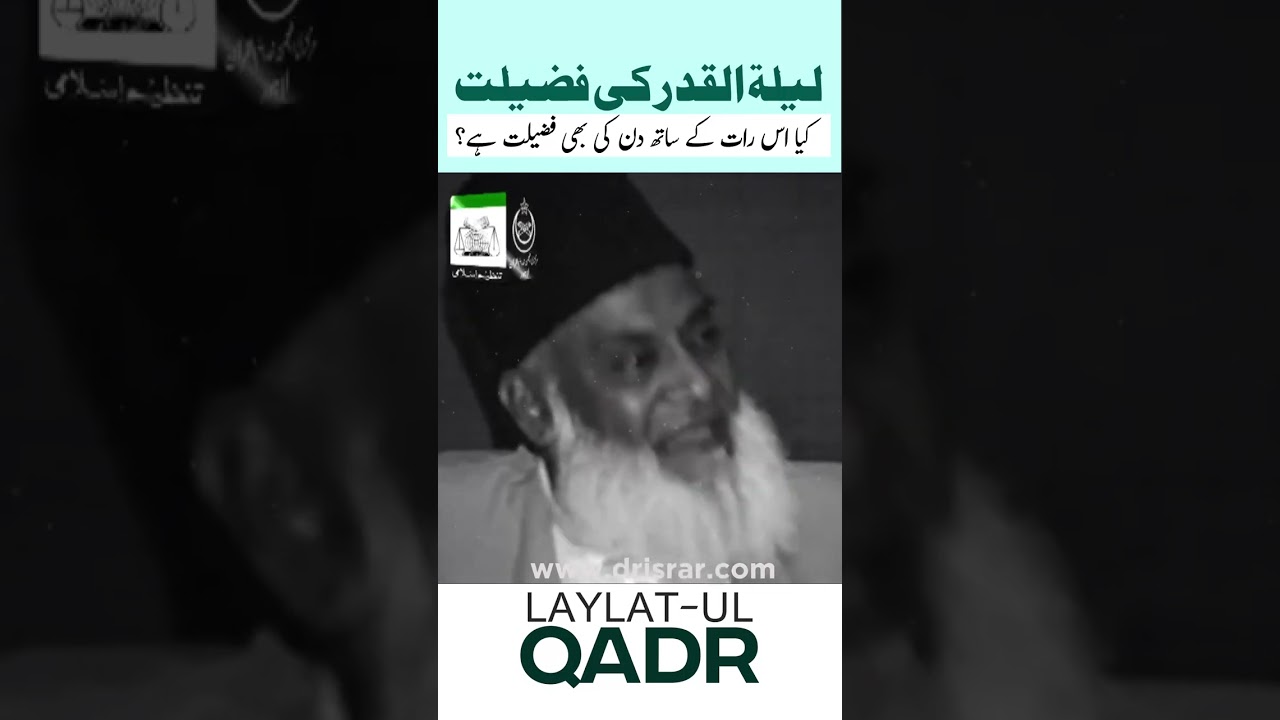
The lecture elaborates on the significance of Laylat al-Qadr, stating its inherent greatness lies in the divine decree of all matters being finalized on this night. It addresses the question of whether the day following Laylat al-Qadr shares in its sanctity. Based on Arabic linguistic traditions, the terms 'day' and 'night' often encompass the full twenty-four-hour cycle, implying the subsequent day is also included within the blessing and importance of this sacred occasion. The lecture clarifies this understanding within the context of divine timing and decree.
47

The sermon details a severe warning against neglecting Friday prayers. Abandoning three consecutive Friday prayers without a legitimate excuse results in Allah sealing one’s heart—a punishment reserved for the worst disbelievers. This sealing signifies a spiritual death, rendering the individual incapable of accepting faith. The sermon emphasizes the paramount importance of consistently attending Friday prayers as a demonstration of devotion and submission to Allah.
76
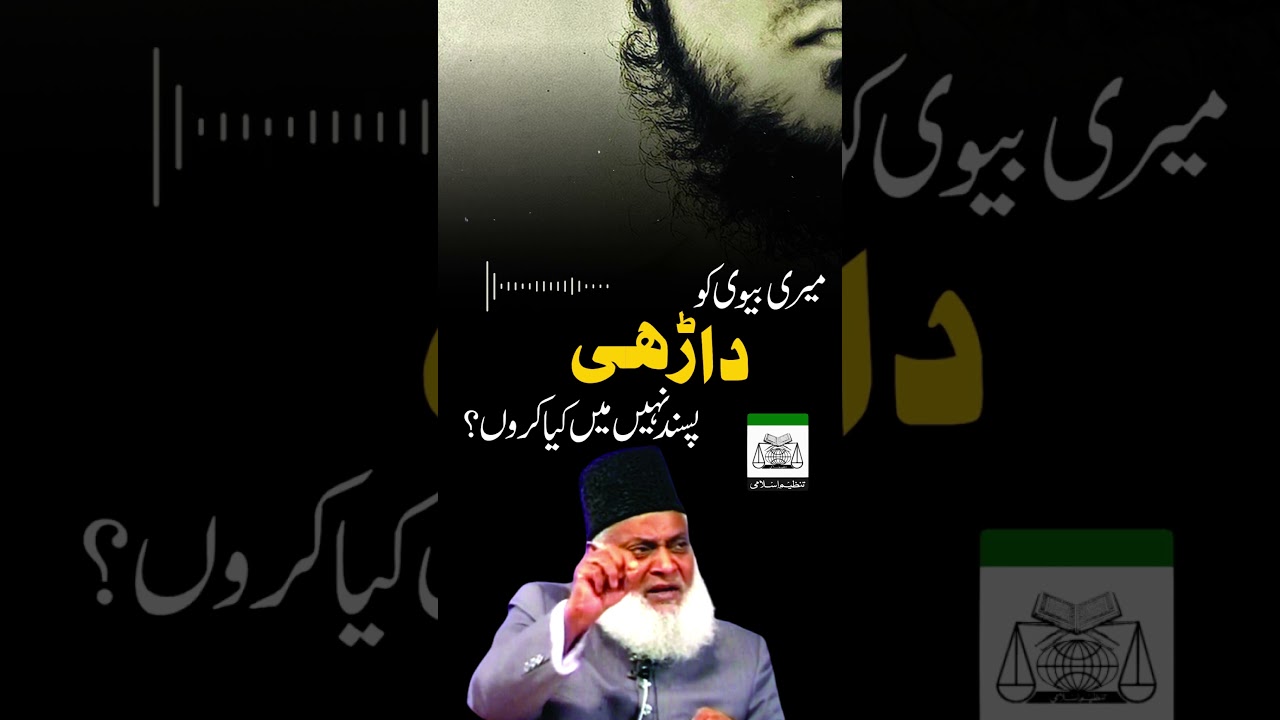
The speaker addresses a concern raised by his wife regarding his beard. He clarifies that growing a beard is a commandment of the Prophet Muhammad, following the practice of all prophets. He emphasizes the Prophet’s directive to trim the mustache and grow the beard, urging adherence to this sunnah with the expectation that acceptance will follow gradually. The discussion highlights the religious significance of beard growth as an act of obedience and a means of aligning oneself with the traditions of the prophets.
67
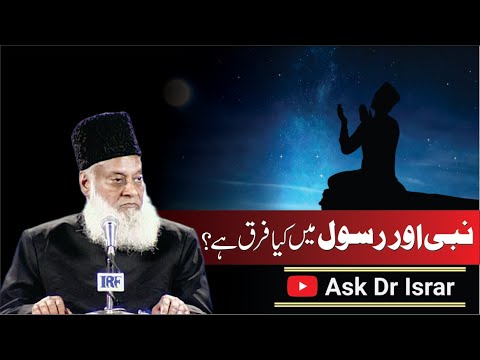
This lecture clarifies the position of a prophet (Nabi) in Islam. It distinguishes a prophet from other pious individuals by highlighting the unique role of divine revelation (wahy). A prophet's assignment isn't to enforce belief through threats, but to convey the message due to an inherent natural compulsion. The lecture draws a parallel to a civil servant passing an exam and awaiting appointment, explaining that authority and responsibility come with official designation, similar to how a prophet’s role is defined by divine appointment. The core message is that a prophet is primarily a messenger of God, and his guidance is based on conveying the message, not coercion.
56
