Shorts
This lecture clarifies the distinction between Allah’s personal name and His attributes. It explains that ‘Allah’ is the sole proper name, while all other names found in the Quran represent divine attributes. By removing the definite article and adding *tanween*, names transform into descriptive qualities. For example, ‘Al-Qadir’ is a name, but ‘Qadir’ or ‘Qadeer’ is an attribute. Similarly, ‘Al-‘Alim’ is a name, while ‘Alim’ or ‘‘Aleem’ is a quality. Essentially, names serve as indicators of a being, and Allah's personal name is unique.

51
This lecture explores the concept of national identity, presenting the nation-state as a modern construct akin to a deity. It argues that in the contemporary era, the nation has replaced traditional faiths as a primary source of allegiance and purpose. The poem emphasizes the nation’s all-encompassing nature, where national identity is interwoven with religious belief. The speaker calls for strength derived from the principles of Tawhid (Oneness of God) and emphasizes the importance of Islam as a guiding force for the nation. The lecture ultimately proposes that patriotism, when rooted in Islamic values, can be a powerful force for national progress and spiritual elevation.
46
This lecture clarifies the essence of sacrifice, emphasizing that its core is submission to God and fostering piety. Mere ritualistic observance without a genuine connection to the Divine renders the act meaningless. The speaker critiques ostentatious displays of wealth during sacrifice, highlighting that true devotion lies in internalizing the spirit of humility and surrender. Genuine sacrifice necessitates a relationship with God and cultivating inner devotion. It is a demonstration of complete submission and sincerity.
51
The essence of sacrifice lies in acknowledging Allah as the sole deity and submitting to Him. Without this spiritual connection, rituals like sacrifice, prayer, fasting, and pilgrimage become meaningless formalities. True devotion stems from a genuine relationship with Allah, transforming actions into sincere worship. The core of sacrifice is not merely the act itself, but the underlying recognition of God’s sovereignty and one’s complete surrender to His will. Without this internal state of piety, all external observances are rendered futile.
71
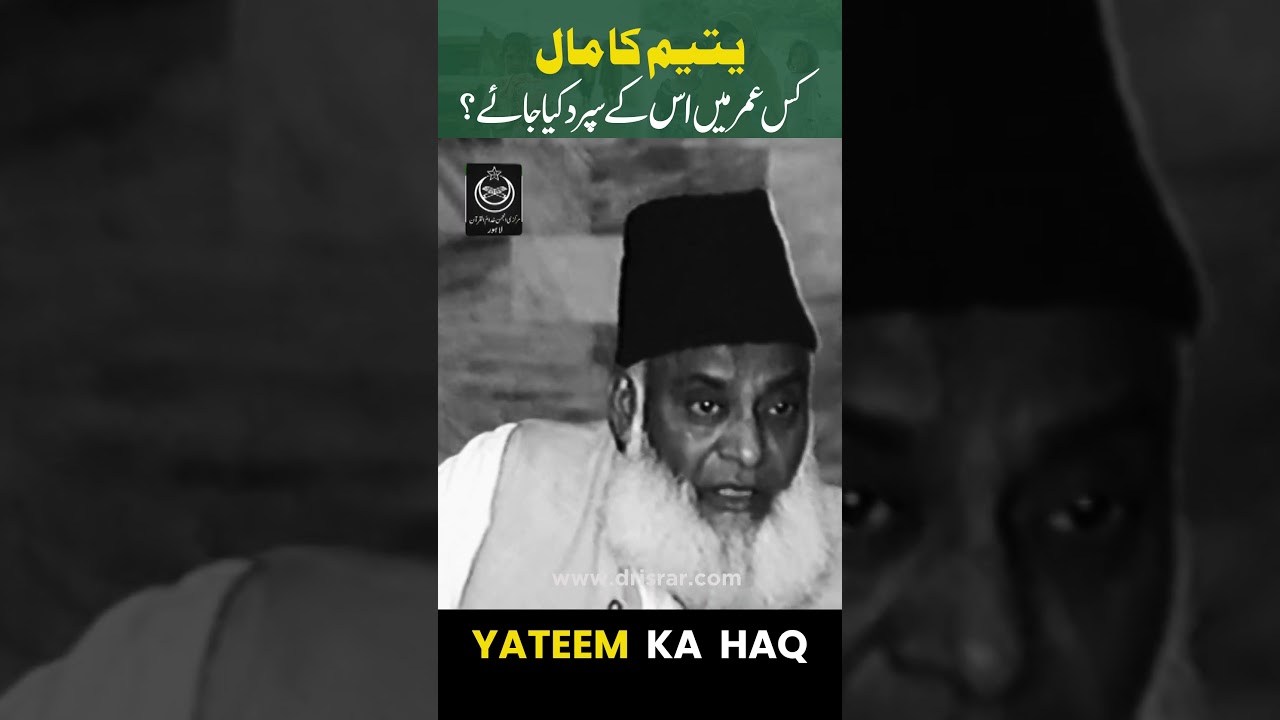
This lecture emphasizes the importance of protecting the property of orphans and ensuring their well-being. It highlights the prohibition of exploiting orphans' wealth, mismanaging their assets, or exchanging good assets for inferior ones. The discussion stresses the need for responsible guardianship and safeguarding orphans' rights until they reach maturity and can manage their affairs independently. It underscores the ethical and religious obligations towards vulnerable members of society, particularly orphans.
47
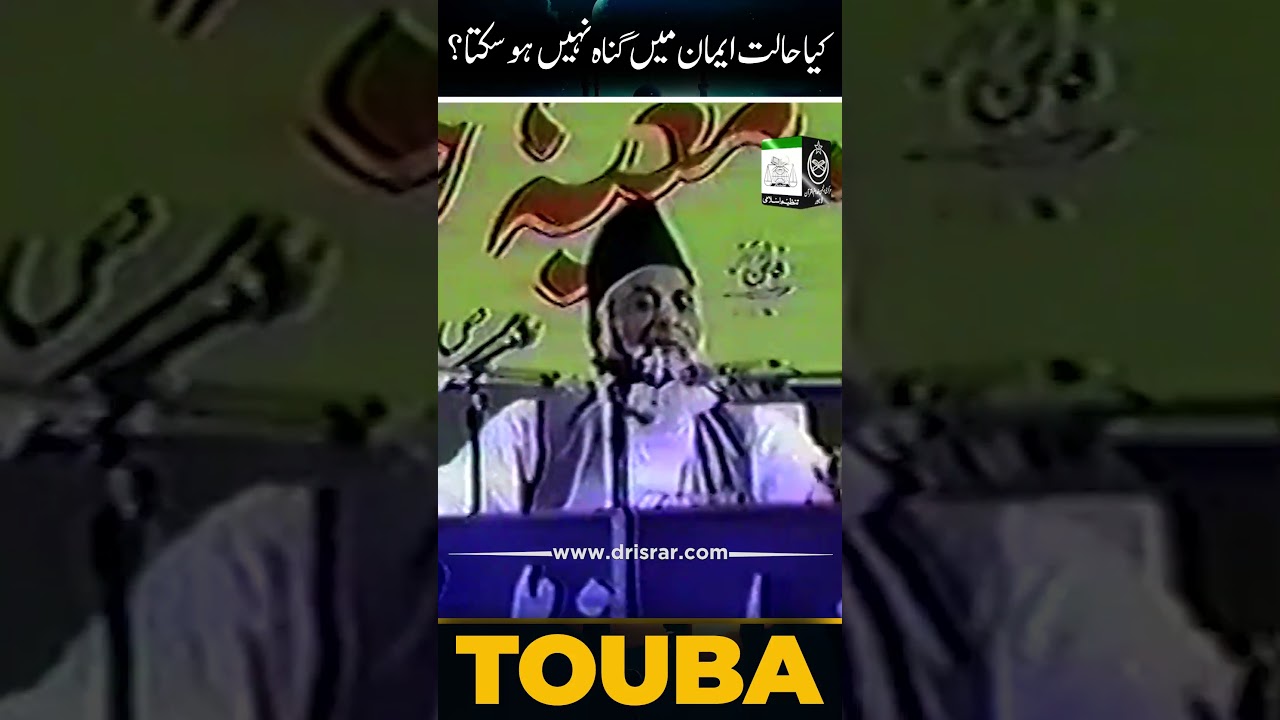
The Prophet Muhammad (peace be upon him) stated that a person who sincerely repents for their sins is as if they never committed them. This highlights that faith and sin are not mutually exclusive; believers will inevitably err. However, genuine repentance immediately restores faith. If a believer commits a sin, their faith temporarily diminishes, but repentance returns it to its rightful place in the heart. Failure to repent results in a permanent loss of faith. The lecture emphasizes that various approaches and analogies are used to convey this vital truth.
38
