מִכְנָסַיִים קְצָרִים
The speaker addresses the issue of innovation in religious practice (bid’ah) versus adherence to the Sunnah. He critiques the performance of rituals without understanding or intention, specifically highlighting the decline in the proper observance of funeral prayers and supplications. He argues that many practices have deviated from the Prophet’s teachings and the example of the Companions, leading to a superficiality in worship and a loss of spiritual benefit. The speaker emphasizes that actions performed without divine command are unacceptable and warns against the dangers of adding to religious practices beyond what was prescribed.

42
True worship begins with obedience, but its essence is love. Obedience is the visible form, while love is the underlying spirit. Complete obedience to Allah involves total submission at all times. The path to Allah's obedience is through obedience to His Messenger, Muhammad (peace be upon him). One must strive to reach a level of devotion where the Prophet is more beloved than one's parents and children, and all of mankind. This devotion is a prerequisite for true faith. Without this level of love for the Prophet, all other actions are meaningless.
38
Every conscious human being has a purpose, an ideal, or an inspiration in life. They strive to achieve this ideal through effort and perseverance. A person without purpose is akin to an animal, living solely on instinct and fulfilling basic needs like eating and reproduction. Animals exist based on instinct, lacking a higher purpose. Such a life is considered base. The Quran emphasizes that a life devoid of purpose is animalistic. True humanity lies in having a defined goal and striving towards it.
68
This lecture explores the multifaceted greatness of Prophet Muhammad (peace be upon him). It distinguishes between his status as a prophet and his humanity, noting that understanding the full extent of his greatness is beyond human comprehension. The lecture emphasizes that only a prophet can truly appreciate the stature of another prophet, highlighting the unique qualities inherent in Prophethood. It explains that assessing the Prophet's significance requires a perspective beyond that of a mere physician or scholar, acknowledging his exceptional position in both spiritual and worldly affairs.
47
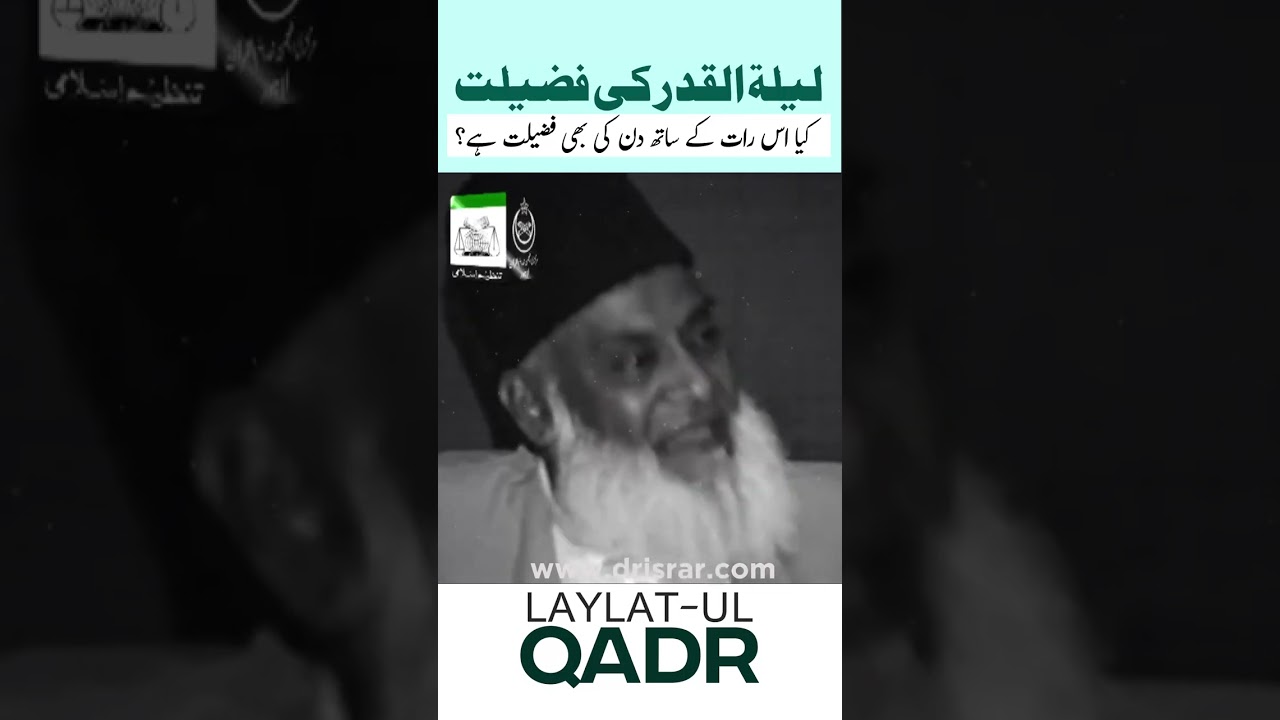
The lecture elaborates on the significance of Laylat al-Qadr, stating its inherent greatness lies in the divine decree of all matters being finalized on this night. It addresses the question of whether the day following Laylat al-Qadr shares in its sanctity. Based on Arabic linguistic traditions, the terms 'day' and 'night' often encompass the full twenty-four-hour cycle, implying the subsequent day is also included within the blessing and importance of this sacred occasion. The lecture clarifies this understanding within the context of divine timing and decree.
42
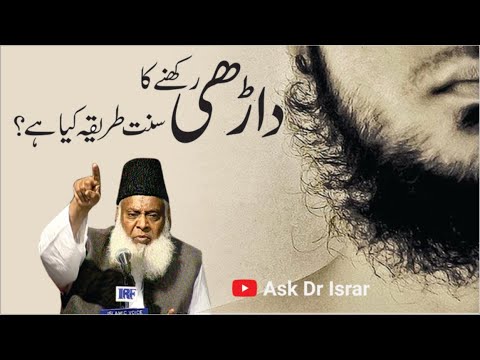
This lecture clarifies the Islamic rulings regarding beards and mustaches. It states that growing a beard is a Sunnah, and interfering with its natural growth is discouraged. Trimming for balance is permissible if growth is uneven. Shaving the beard completely or excessively is considered a greater sin than not growing one at all. The lecture emphasizes that adhering to these practices is considered obligatory by some scholars, as it aligns with the teachings and practices of the Prophet Muhammad (peace be upon him).
66
