निकर

The speaker addresses the issue of innovation in religious practice (bid’ah) versus adherence to the Sunnah. He critiques the performance of rituals without understanding or intention, specifically highlighting the decline in the proper observance of funeral prayers and supplications. He argues that many practices have deviated from the Prophet’s teachings and the example of the Companions, leading to a superficiality in worship and a loss of spiritual benefit. The speaker emphasizes that actions performed without divine command are unacceptable and warns against the dangers of adding to religious practices beyond what was prescribed.

42

During the Hijra, when the Prophet Muhammad (peace be upon him) and Abu Bakr (may Allah be pleased with him) were in the cave of Thawr, they feared discovery. Abu Bakr expressed concern that even a glance inside would reveal them. The Prophet reassured him, reminding him of God’s support. Consequently, Allah sent down tranquility upon them and reinforced them with unseen forces. This event resulted in the subjugation of the disbelievers and the ultimate triumph of Islam throughout the Arabian Peninsula. God’s word is supreme, and He is the Most Powerful, the Most Wise.
59

This lecture explores the critical connection between mindful prayer and genuine spiritual transformation. The speaker explains that rote recitation without internal presence renders prayer ineffective. A wandering mind, preoccupied with worldly concerns, prevents the experience of divine connection. True prayer requires focused attention, a conscious awareness of standing before God, and a heartfelt submission. Only when the mind and heart are fully engaged does prayer become a powerful force for character building and positive change. The speaker emphasizes that a distracted mind will fill with anxieties and worldly matters, negating the spiritual benefits of prayer. The essence of prayer lies in experiencing a direct connection with the Divine.
68

This lecture clarifies the conditions for sincere repentance (tawbah) and its implications regarding past sins. It explains that genuine repentance, marked by remorse and a commitment to abstain from sin, leads to Allah's forgiveness. Regarding missed prayers, the speaker suggests making up for them as if they were voluntary prayers (nawafil). For rights violated against others, repentance requires seeking forgiveness from the wronged, compensation, or facing consequences in the afterlife, with potential recompense through good deeds or bearing the burden of sins. Complete and valid repentance serves as expiation for all sins.
43
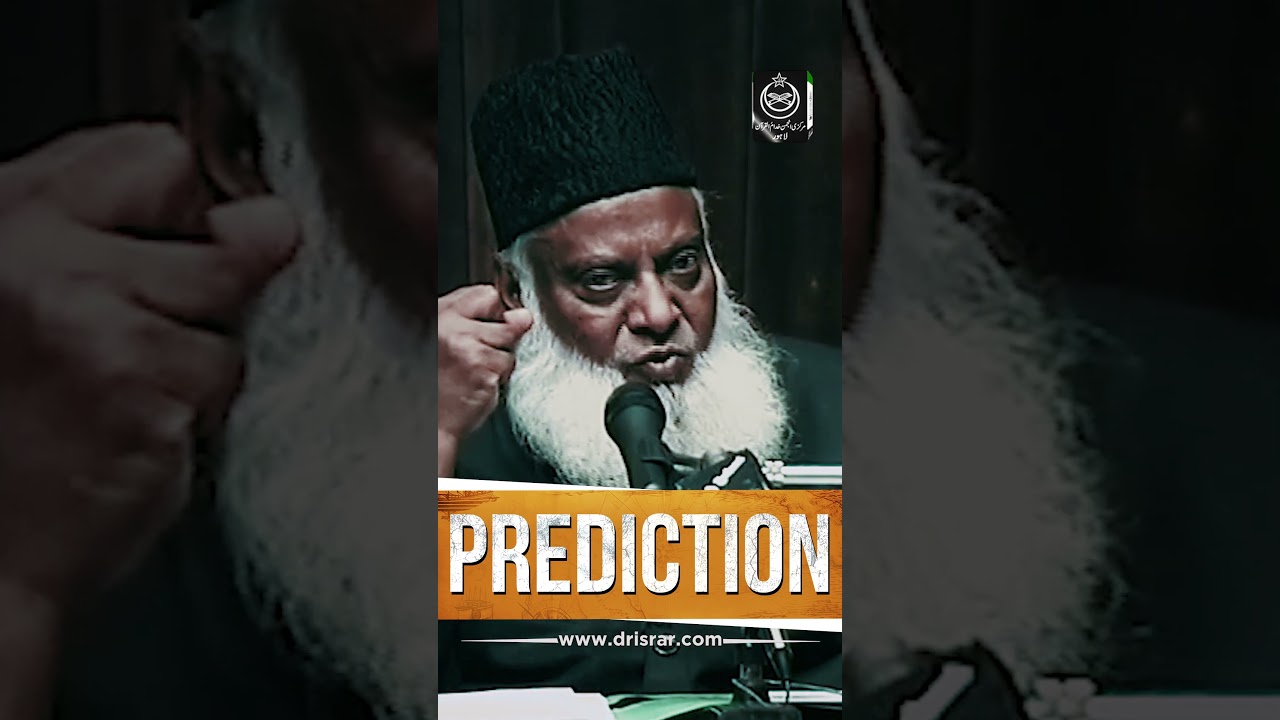
This lecture discusses the potential re-establishment of a caliphate rooted in the principles of the Prophet Muhammad, specifically predicting its emergence in Pakistan and Afghanistan following a potential division of Afghanistan and the integration of Pashtun areas with Pakistan. It posits that the Sindh Valley, as envisioned by Iqbal, will become the center of this caliphate, from which forces will operate. The lecture also addresses the Shia belief in the return of the twelfth Imam, who has been in occultation for over a thousand years, and their expectation of his leadership. It suggests this leader will establish a government and raise armies, while highlighting a perceived lack of strength in Arab nations.
60

The text emphasizes that true life resides in the afterlife, not the material world. It critiques a materialistic focus, stating that people are lost in the pursuit of worldly possessions, mistakenly believing they are achieving something substantial. This pursuit leads to being lost in matter and consumed by materialism, exhausting all efforts within a limited scope. The core message is a rejection of prioritizing worldly gain over spiritual fulfillment and preparation for the afterlife.
36
