শর্টস
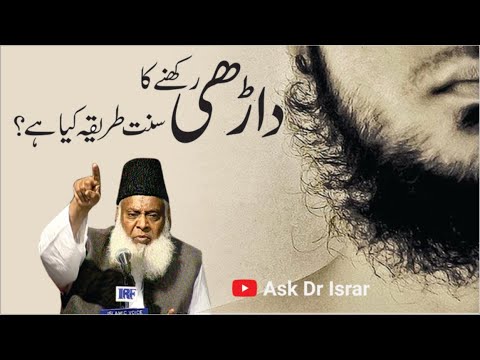
This lecture clarifies the Islamic rulings regarding beards and mustaches. It states that growing a beard is a Sunnah, and interfering with its natural growth is discouraged. Trimming for balance is permissible if growth is uneven. Shaving the beard completely or excessively is considered a greater sin than not growing one at all. The lecture emphasizes that adhering to these practices is considered obligatory by some scholars, as it aligns with the teachings and practices of the Prophet Muhammad (peace be upon him).

70

The soul is distinct from the body. While death seizes the body, returning it to the earth from whence it came, the soul does not experience death itself. It is a transfer, originating from God and returning to Him. The soul temporarily inhabits the body during earthly life, then either resides in 'Aliyeen' or 'Sijjeen' – realms of varying states – awaiting eventual return to its divine source. The body is subject to earthly cycles of creation and dissolution, but the soul is eternal and its destiny lies with God.
44
This lecture defines *Ankar-e-Munkarat* as opposition to systems of governance not based on divine law. It emphasizes that true commitment to faith requires active resistance – through action, speech, and internal conviction. The speaker argues that a collective, disciplined group is essential for meaningful change, something currently lacking in our approach to establishing divine law. The focus is often limited to personal piety or merely spreading the message, instead of striving for systemic transformation. Efforts should extend beyond individual good deeds and encompass a broader commitment to establishing justice and reforming societal structures.
67

The speaker discusses the decline of spiritual understanding within Islamic practice. While rituals like prayer, fasting, sacrifice, and pilgrimage remain prevalent, the underlying philosophical depth and transformative effect have diminished. The speaker argues that the sheer number of people performing these rituals – millions undertaking the Hajj – does not translate into societal impact or personal change. The focus has shifted from inner transformation to mere external observance, resulting in a disconnect between practice and genuine spiritual growth.
70
This lecture discusses the immense joy Allah experiences upon accepting a believer's repentance. It highlights that even the drops of sweat born from anxiety and remorse during sincere regret are valued by God. The acceptance of repentance is depicted as a profound blessing, demonstrating Allah’s compassion and willingness to forgive those who turn to Him with genuine sincerity. The lecture emphasizes that Allah cherishes a servant's repentance, viewing it as a precious offering.
52
This lecture discusses the importance of prioritizing the afterlife over worldly pursuits. It emphasizes that those solely focused on immediate gains neglect the true purpose of life. The speaker highlights that fulfilling parental duties, like maintaining their graves, is commendable but ultimately secondary to striving for eternal reward. The core message centers on verses from Surah Bani Israel, detailing the swift provision of worldly desires for those who seek them, contrasted with the enduring reward promised to those who dedicate themselves to the hereafter and consistently strive for it. The lecture underscores the difference between immediate gratification and lasting spiritual fulfillment.
30
