Corti
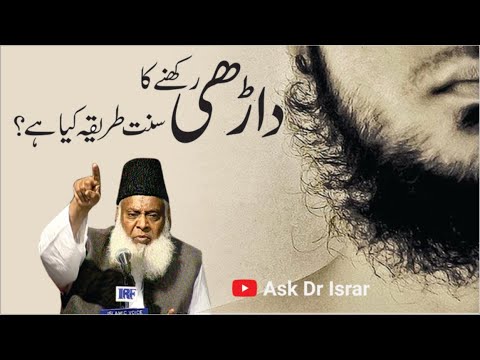
This lecture clarifies the Islamic rulings regarding beards and mustaches. It states that growing a beard is a Sunnah, and interfering with its natural growth is discouraged. Trimming for balance is permissible if growth is uneven. Shaving the beard completely or excessively is considered a greater sin than not growing one at all. The lecture emphasizes that adhering to these practices is considered obligatory by some scholars, as it aligns with the teachings and practices of the Prophet Muhammad (peace be upon him).

70

This lecture addresses a critical deviation within the Muslim community, identifying a shift towards Murjiya – a state of complacency where outward claims of faith overshadow genuine inner conviction. It clarifies the distinction between legalistic faith, reliant on outward actions, and true faith rooted in sincere belief and heartfelt certainty. The speaker emphasizes that authentic faith necessitates the inseparable integration of belief and practice, where deeds are not merely supplementary but integral components of a living, breathing faith. The lecture warns against prioritizing outward adherence to rituals over cultivating genuine fear of God and hope for His mercy, advocating for a balanced state between these two essential qualities.
46
This lecture discusses the potential re-establishment of a caliphate rooted in the principles of the Prophet Muhammad, specifically predicting its emergence in Pakistan and Afghanistan following a potential division of Afghanistan and the integration of Pashtun areas with Pakistan. It posits that the Sindh Valley, as envisioned by Iqbal, will become the center of this caliphate, from which forces will operate. The lecture also addresses the Shia belief in the return of the twelfth Imam, who has been in occultation for over a thousand years, and their expectation of his leadership. It suggests this leader will establish a government and raise armies, while highlighting a perceived lack of strength in Arab nations.
62
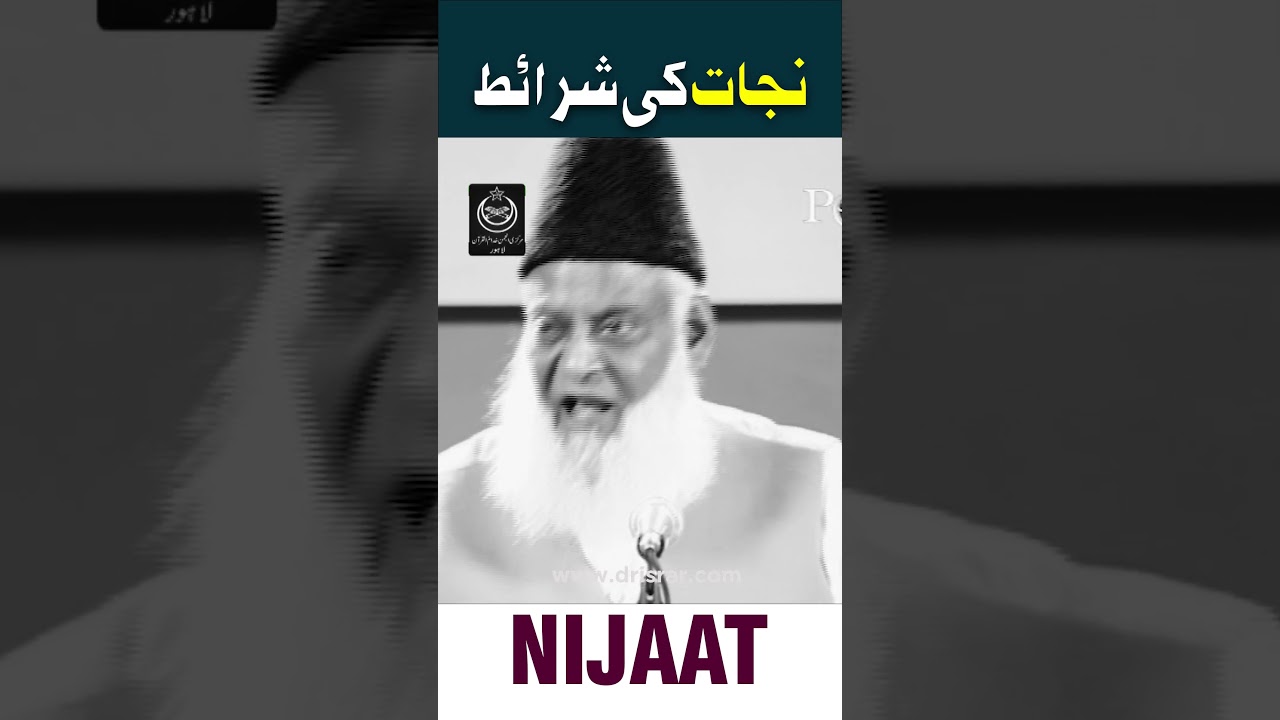
This lecture clarifies the minimum requirements for salvation according to Islamic teachings. It emphasizes that faith combined with righteous deeds is essential, not merely faith alone. While varying degrees of reward exist, a baseline of belief and good actions is non-negotiable for securing salvation. The speaker addresses the misconception that abundant good deeds can automatically compensate for a preponderance of sins, highlighting that consistent faith and good works are the fundamental criteria for attaining divine forgiveness and entering Paradise. It explains that while higher ranks in Paradise may require greater effort, basic salvation is predicated on fulfilling these essential requirements.
44
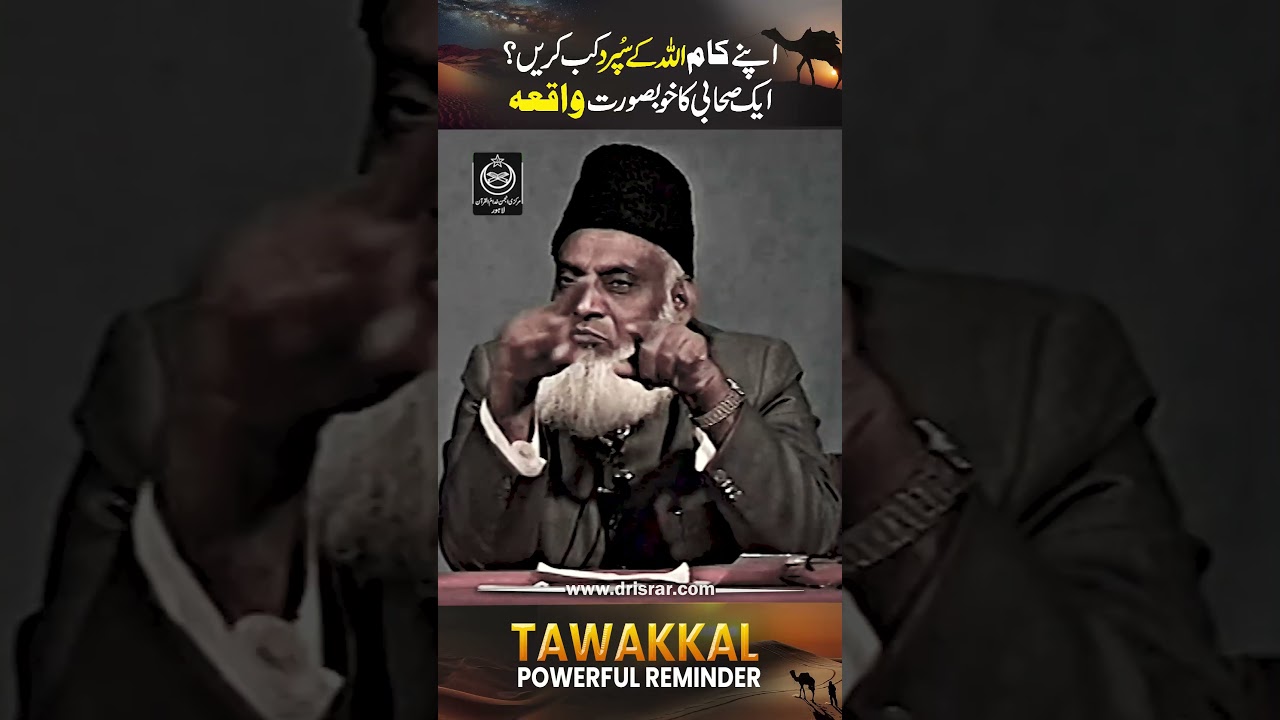
This lecture explains a crucial Islamic principle: the balance between reliance on God (Tawakkul) and utilizing practical means (Asbab) to achieve goals. The Prophet Muhammad (peace be upon him) rebuked a Bedouin for leaving his camel untethered, emphasizing that true faith requires both trust in God *and* responsible action. The speaker clarifies that simply relying on God without making an effort is incorrect, and neglecting to utilize available resources after making an effort is also a mistake. Results ultimately come from God, but effort is a prerequisite. It is crucial to strive, use resources, and *then* place trust in God for the outcome. True Tawakkul is not passivity, but a confident reliance on God *after* taking all necessary steps.
87
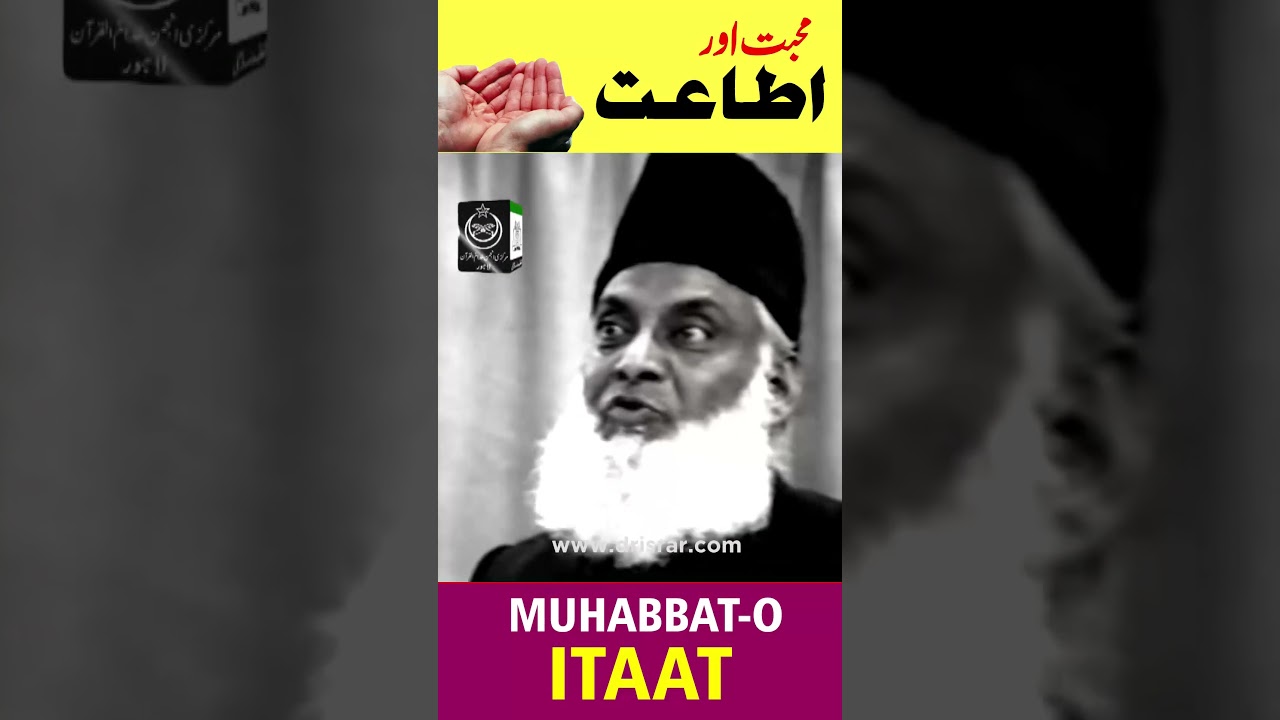
The essence of worship lies in the interplay between love and obedience. Obedience represents the visible form of worship, while love is its underlying spirit. True worship stems from a genuine affection for the Divine, transforming acts of obedience into meaningful devotion. Without love, obedience becomes a mere formality, potentially driven by compulsion, pretense, or self-interest. The body exists because of the soul; similarly, worship exists through the spirit of love. Love animates obedience, giving it life and sincerity. Without this animating force, obedience remains an empty shell.
48
