Şort

This lecture details three effective methods for conveying the message of faith: wisdom-based argumentation, positive and appealing counsel, and respectful debate. It emphasizes approaching dialogue with intellect, kindness, and a focus on constructive engagement rather than conflict. The core principle is to guide others towards the right path through reasoned discussion and gentle persuasion, avoiding harshness or coercion. It’s a blueprint for effective *dawah* rooted in intellectual honesty and compassionate communication.

82

Partial obedience is unacceptable; complete submission to divine commands is required. Selectively following religious dictates, driven by personal inclination, renders all obedience void. The Quran warns against accepting some scriptures while rejecting others, leading to disgrace in this life and severe punishment in the hereafter. Allah sees beyond superficial displays of piety and judges intentions. True devotion requires sincere faith and righteous actions, not merely outward rituals performed with ill-gotten gains. This lecture emphasizes the importance of wholehearted commitment to faith and the consequences of hypocrisy.
51

Dr. Israr Ahmad discusses the perceived freedoms within a society that fundamentally contradicts Islamic principles. He argues that true freedom, as defined by Islam, is absent when societal structures are built upon interest-based systems and disregard Islamic law. The lecture highlights a disconnect between ritualistic religious observance – worship, beliefs, ceremonies like births, weddings, and funerals – and the implementation of Islam as a comprehensive way of life. He asserts that even those hostile to Islam offer freedoms that are denied to Muslims due to the absence of an Islamic system. The core argument is that Islam, as a complete code of conduct, has been relegated to mere ritual in the minds of the vast majority of the populace.
74
The existence of multiple deities would inevitably lead to chaos and disorder within the universe, disrupting the established harmony. Conflicting wills and opinions would prevent the precise, balanced operation of creation. The consistent order observed—where every action aligns with its intended consequence—demonstrates a single, unifying will governing all existence. This consistency serves as proof of the oneness of God.
52

Everything in the heavens and the earth glorifies Allah. While praising Allah is essential – as even inanimate objects and plants do – humanity, granted stewardship of the earth and divine favor, is obligated to do more. True faith demands action: actively striving to establish divine guidance and elevate the word of God. Simply reciting praise is insufficient; believers must demonstrate their commitment through dedicated effort and sacrifice to make God’s will prevail. The core requirement of faith in God is not just glorification, but actively working to establish His dominion and uplift His message.
52
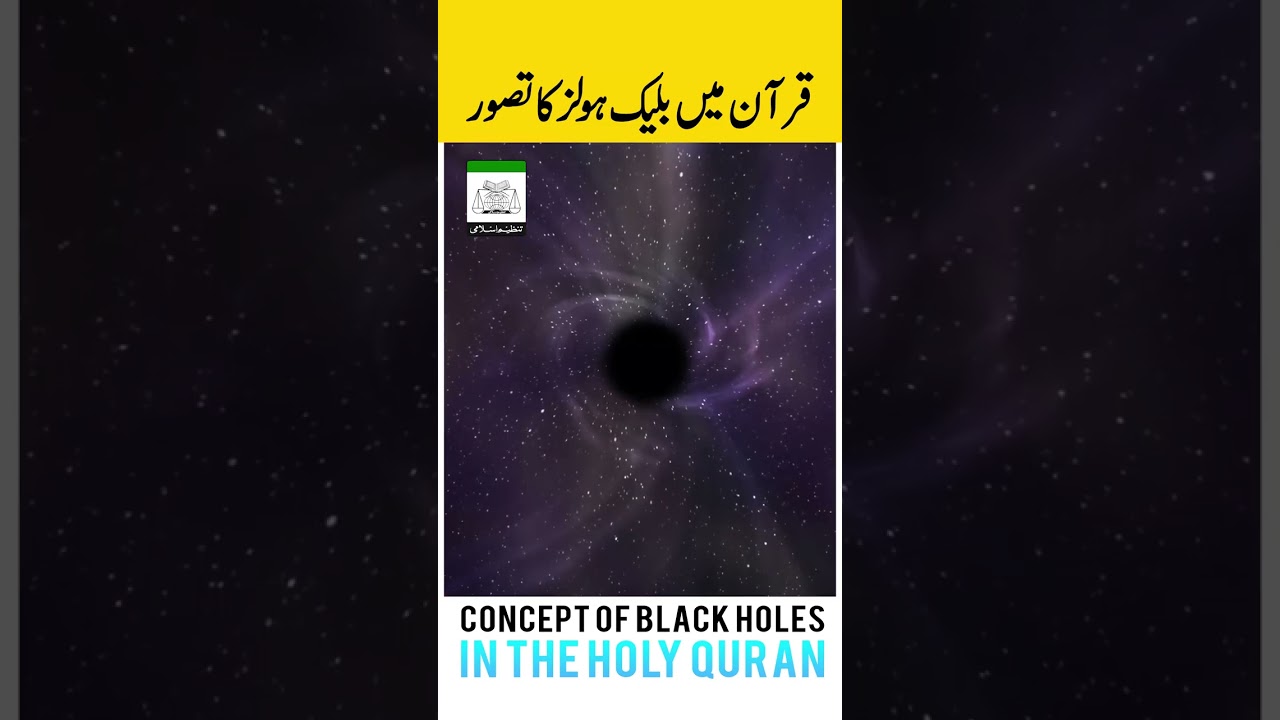
This lecture explores the profound significance of stellar phenomena as described in religious texts. It discusses the locations where stars disappear, emphasizing that the fading of stars represents more than just astronomical events; it symbolizes the disappearance of entire galaxies. The lecture highlights the scale of cosmic events, suggesting that the disappearance of galaxies is a monumental occurrence. It also touches on the concept of lost civilizations and the eventual fate of all things, referencing a great testimony being gradually revealed and a period of waiting associated with these celestial events.
68
