شارٹس
This lecture details three effective methods for conveying the message of faith: wisdom-based argumentation, positive and appealing counsel, and respectful debate. It emphasizes approaching dialogue with intellect, kindness, and a focus on constructive engagement rather than conflict. The core principle is to guide others towards the right path through reasoned discussion and gentle persuasion, avoiding harshness or coercion. It’s a blueprint for effective *dawah* rooted in intellectual honesty and compassionate communication.

82
This lecture addresses the dangers of linguistic and cultural biases, clarifying that regional, ethnic, and linguistic identities are not inherently sinful. It emphasizes that every culture and language has a right to flourish, provided any elements conflicting with Islamic teachings are removed. The lecture highlights the unique status of the Arabic language not due to its speakers, but because it is the language of the Quran and the sayings of the Prophet Muhammad, making its study essential for direct understanding of religious texts. It cautions against exclusionary attitudes based on language or culture, likening such behavior to a useless tool.
66
In his final days, Allama Iqbal expressed deep concern about the continuation of his mission after his passing. He feared a lack of capable successors to carry forward his work, drawing a parallel to the anxiety of Prophet Zakariya when he prayed for a son in old age. Iqbal worried about the potential inability of his relatives and those around him to follow the righteous path he advocated. He implored God for a devoted successor, mirroring Zakariya’s plea. This lecture explores these anxieties, referencing Iqbal’s famous verses, ‘Sarod-e-Raftbaz,’ ‘Nayeem-e-Az-Hijaz,’ and ‘Sar-e-Rozgar-e-In Faqir-e-Dagar Dana-e-Rah.’
59
This lecture details the Prophet Muhammad’s (peace be upon him) exceptional character, particularly his modesty and self-reliance. The narrative recounts how the Prophet never asked anyone for personal favors, even during the challenging time of migration to Medina. It highlights his foresight in preparing for the journey with the help of Hazrat Abu Bakr, ensuring swift transportation. The account further illustrates the Prophet’s humility, demonstrated by his willingness to perform even the simplest tasks himself, refusing to ask others for assistance. The lecture concludes with a powerful affirmation of support from his companions, declaring themselves ‘Ansarullah’ – helpers of God.
67
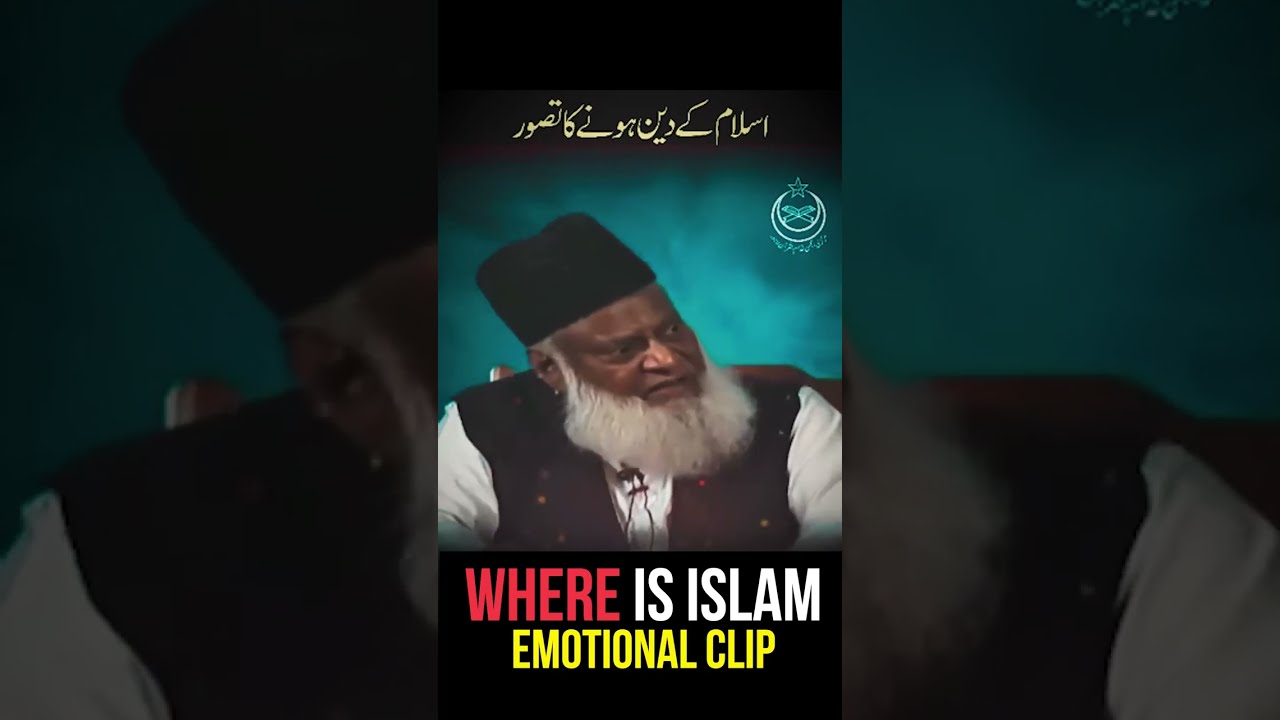
Dr. Israr Ahmad discusses the perceived freedoms within a society that fundamentally contradicts Islamic principles. He argues that true freedom, as defined by Islam, is absent when societal structures are built upon interest-based systems and disregard Islamic law. The lecture highlights a disconnect between ritualistic religious observance – worship, beliefs, ceremonies like births, weddings, and funerals – and the implementation of Islam as a comprehensive way of life. He asserts that even those hostile to Islam offer freedoms that are denied to Muslims due to the absence of an Islamic system. The core argument is that Islam, as a complete code of conduct, has been relegated to mere ritual in the minds of the vast majority of the populace.
74
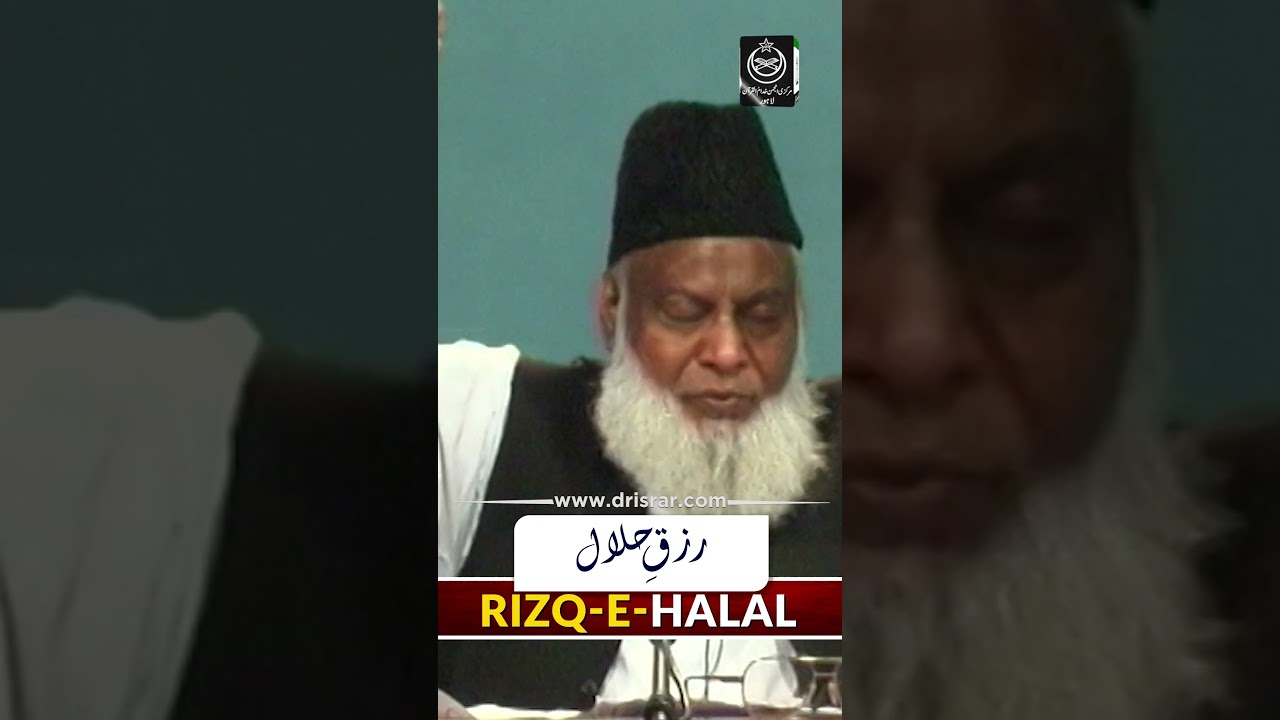
Dr. Israr Ahmad explains that a prayer is not accepted if the individual’s sustenance, clothing, and even physical being are derived from unlawful sources. He emphasizes that prayers offered while burdened with sin and sustained by illicit means will not reach God. The lecture details how a person’s entire existence must be purified and aligned with righteousness for their supplications to be answered. The speaker highlights the importance of earning lawful livelihood and abstaining from unlawful sources to ensure the acceptance of prayers.
59
