निकर
This lecture explores the human condition as a test between spiritual enlightenment and worldly allure. The metaphor of a moth drawn to a flame represents the soul’s journey. One path leads to divine favor and eternal reward, while the other, captivated by the transient beauty of the world, results in loss. True success lies in prioritizing spiritual truths and the eternal blessings of the afterlife over fleeting worldly pleasures. The core message is a call to self-reflection and a conscious choice towards divine guidance.

67

This lecture details the immense sacrifices parents make, particularly mothers, during pregnancy and early childhood. It highlights the physical and emotional burdens mothers endure, from carrying the child in the womb for nine months to nurturing and feeding them for two years. The text emphasizes the profound debt of gratitude children owe their parents, both for their care and as a reminder of our ultimate return to God, mirroring the parent-child relationship. It stresses that acknowledging and appreciating parents is a fundamental aspect of faith and righteousness.
46
This lecture emphasizes the importance of engaging in reasoned discourse (majadala) rather than mere argument. It stresses responding to opposing viewpoints with wisdom and politeness, aiming to silence them through compelling logic, not aggression. Maintaining a high moral standard during debate is crucial; avoid insults, vulgar language, and descending to their level. Respect for opponents’ beliefs is paramount, even while presenting a counter-argument. The speaker highlights the necessity of engaging with wisdom and good conduct to effectively convey one’s message and positively influence others.
56

This lecture discusses the destructive nature of arrogance (takabbur) and its prohibition in Islam. It highlights that even a grain-sized amount of pride can prevent entry into paradise. God considers arrogance as a garment fit only for Him, and engaging in it is akin to stripping away His covering. The speaker emphasizes the importance of humility and recognizing one's limitations as essential qualities for spiritual growth and attaining divine favor. The lecture draws upon Quranic verses and prophetic traditions to illustrate the severity of arrogance and its consequences.
55
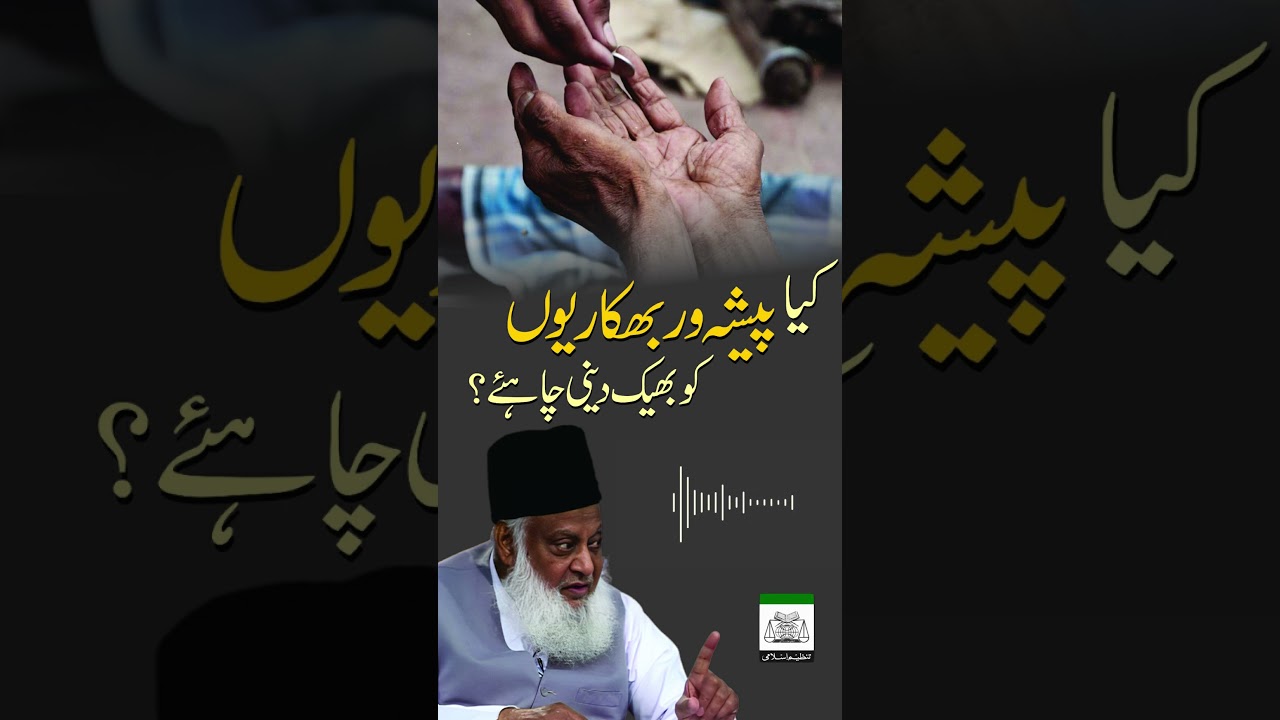
Dr. Israr Ahmad argues against giving money to professional beggars, stating it perpetuates a harmful system and discourages genuine charity. He emphasizes identifying and directly supporting those truly in need within one’s community, advocating for delivering aid to their homes rather than enabling begging. He asserts that supporting beggars inadvertently funds an institution of exploitation and makes those who do so complicit in a societal ill. True charity, he explains, involves identifying genuine need and providing direct assistance.
44

After witnessing a powerful earthquake, the Israelites questioned God’s plan. Moses pleaded for mercy, reminding God of their deliverance from Pharaoh and their current vulnerability. God responded by explaining the nature of His mercy: a universal mercy encompassing all creation, and a specific mercy reserved for those who follow His Messenger, the unlettered Prophet. This highlights the distinction between God's boundless compassion and the blessings bestowed upon the faithful who adhere to divine guidance.
60
