短裤
The core of a person’s character lies in their priorities: worldly possessions or the afterlife. True faith demands prioritizing the hereafter and seeking Allah’s pleasure above all else. Sufficient provision, even if modest, is superior to excessive wealth that leads to spiritual negligence. Self-sufficiency and reliance on Allah are preferable to a life of abundance and detachment from the Divine. A life of modest means, free from dependence on others, is more virtuous than a life of luxury that breeds spiritual heedlessness. Prioritizing contentment over excess fosters a stronger connection with Allah.

56
This lecture discusses the presidential system of governance, drawing parallels between it and the Khilafat system. It highlights the president’s autonomy from the legislature, emphasizing the ability to appoint ministers based on competence rather than congressional membership. The speaker argues that expertise in foreign policy and finance are crucial qualifications, and that even if unelected, a qualified individual's skills should be utilized for the nation's benefit. The discussion positions the presidential system as closer to the Khilafat system compared to a parliamentary one.
59
Companions of the Prophet Muhammad (peace be upon him) expressed their distress regarding increasing hardships. The Prophet (peace be upon him) reminded them that previous followers of Islam faced even greater trials, including being burned alive, buried alive, and dismembered. He emphasized the importance of patience and perseverance, stating that trials are a test from God and that relief will come in due time. He cautioned against impatience and assured them that enduring hardship is a characteristic of true believers.
82
This lecture emphasizes the importance of *taqwa* (fear of God) and its practical application in daily life. It instructs believers to adhere to divine commandments and seek God’s pleasure. The lecture further discusses the concept of *hijrat* (migration) not merely as a physical journey, but as a striving for righteousness, and highlights the rewards promised to those who persevere in faith. It clarifies that reward extends beyond this life, encompassing both worldly benefits and boundless divine grace. The speaker stresses the importance of seeking environments where one can practice faith freely, and the ultimate recompense for those who remain steadfast.
57
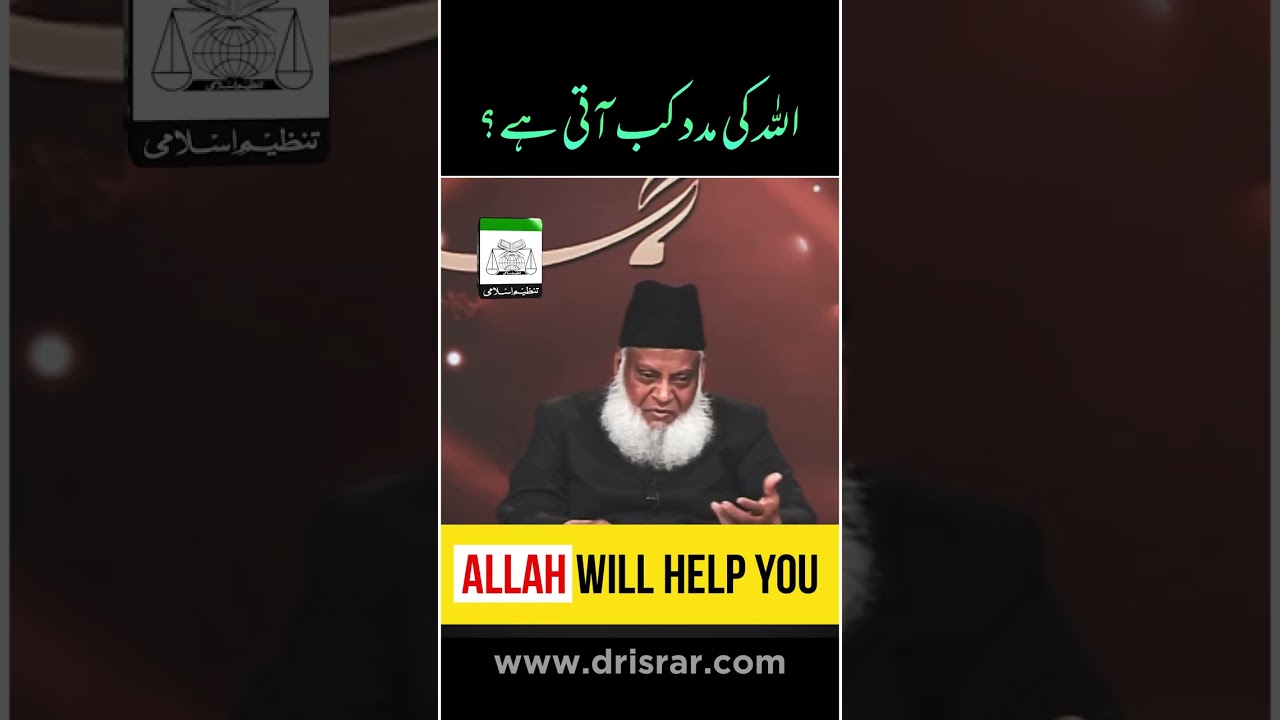
This lecture explains that divine assistance arrives after a thorough testing of one’s sincerity and purity. The speaker emphasizes that Allah tests individuals completely to confirm their true worthiness before providing help. True assistance manifests only when one’s inner self is proven genuine. The lecture draws a parallel to a gardener nurturing a garden, suggesting that divine intervention, like the arrival of angels, occurs after meticulous preparation and a demonstration of genuine effort. It highlights that Allah observes and tests before bestowing blessings.
94
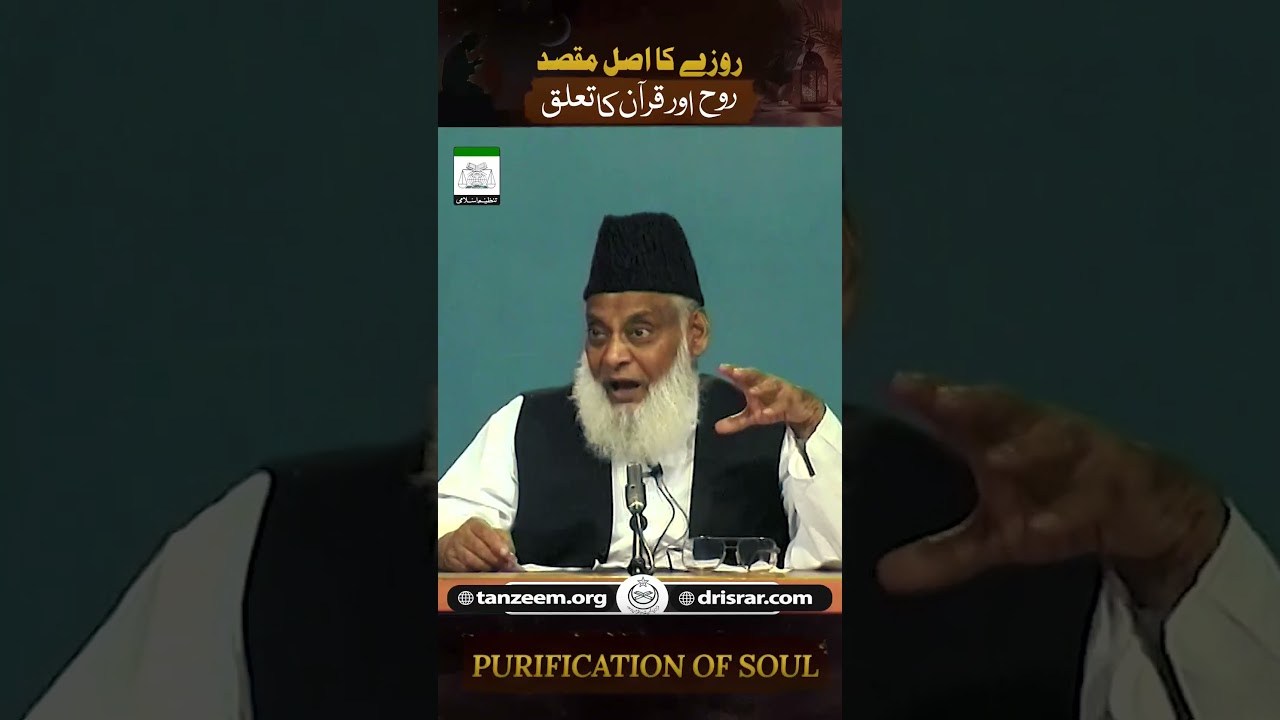
Fasting provides relief to the soul burdened by worldly desires, reducing the weight of the physical self. This spiritual liberation allows for a deeper connection with the Divine. The essence of fasting lies in the soul’s return to its origin, acknowledging Allah’s greatness and expressing gratitude. Upon regaining consciousness, the soul is revitalized and directed towards its true source. Just as all things return to their origin, our physical existence returns to the earth after death, while the soul returns to its Creator. This connection with Allah, expressed through prayer and supplication, is the ultimate objective of observing the fast. The fast isn’t merely abstaining from food and drink; it is a pathway to spiritual renewal and a return to one’s divine source.
65
