מִכְנָסַיִים קְצָרִים
The core of a person’s character lies in their priorities: worldly possessions or the afterlife. True faith demands prioritizing the hereafter and seeking Allah’s pleasure above all else. Sufficient provision, even if modest, is superior to excessive wealth that leads to spiritual negligence. Self-sufficiency and reliance on Allah are preferable to a life of abundance and detachment from the Divine. A life of modest means, free from dependence on others, is more virtuous than a life of luxury that breeds spiritual heedlessness. Prioritizing contentment over excess fosters a stronger connection with Allah.

56
Many people follow religious scholars, and had these scholars guided the nation correctly, the current system would not have persisted. These scholars wasted their influence by participating in political games, shifting alliances and constantly changing sides. This pursuit consumed valuable time that could have benefited the nation. Furthermore, even sincere scholars, when demanding change, have focused on Islamic law, not a complete Islamic system.
62
Human sovereignty is fundamentally flawed and unacceptable in Islam. True authority and governance belong solely to Allah. Any claim to sovereignty by individuals, whether pharaohs or tyrants, represents impurity and disbelief. The concept of human rule is akin to a massive, pervasive filth that cannot be cleansed, even if distributed across all of society. Islamic monotheism (Tawhid) centers on recognizing Allah as the ultimate and only sovereign.
52
This lecture challenges conventional definitions of success, which often equate it with wealth, property, or business expansion. It asserts that true success lies beyond material possessions and external achievements. The speaker contends that societal perceptions of success are flawed, and genuine fulfillment stems from something deeper than worldly gains. The core message emphasizes a shift in perspective, urging listeners to redefine success based on intrinsic values rather than external metrics.
228
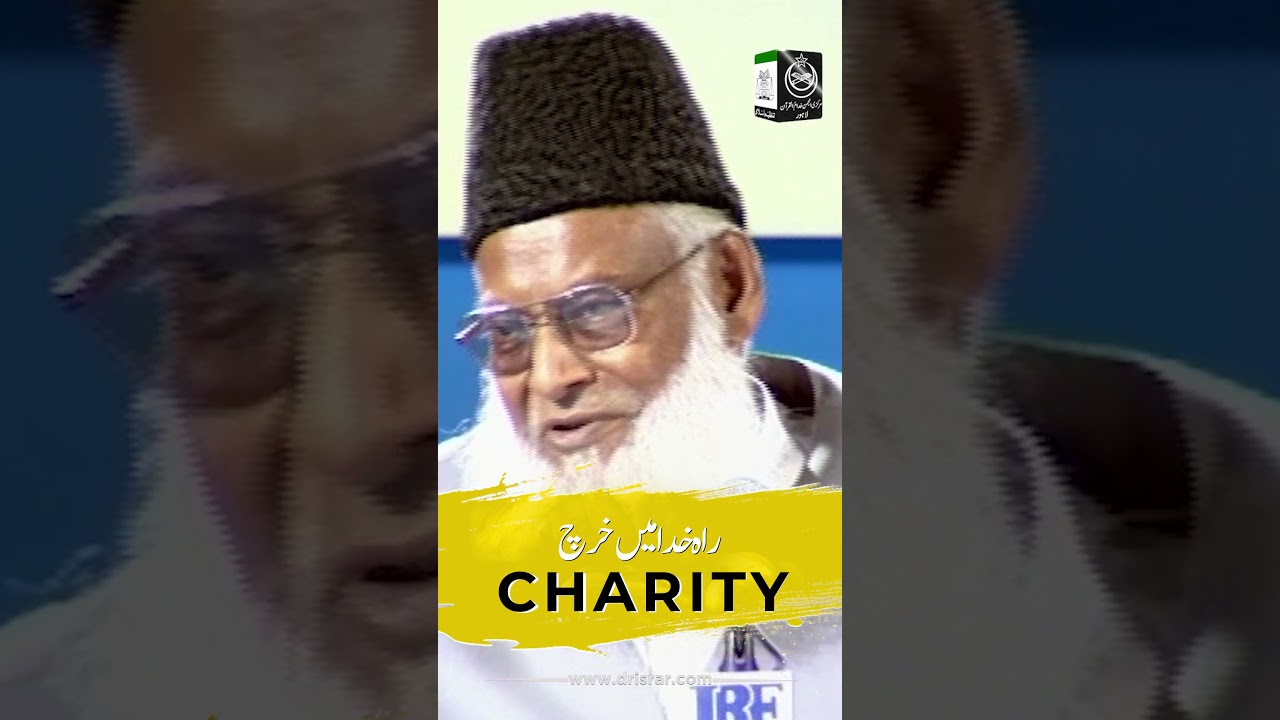
This lecture emphasizes prioritizing investment in the afterlife over worldly possessions. It explains that material wealth is vulnerable to loss and decay, whereas rewards in the afterlife are secure and immeasurably greater. The speaker contrasts the limited returns of earthly banks with the infinite blessings of divine investment. He warns against attachment to worldly wealth, which distracts the soul and hinders spiritual growth, and encourages listeners to focus on accumulating rewards that endure eternally. The lecture draws a parallel between where one’s wealth is stored and where one’s heart resides, suggesting that focusing on the afterlife frees the soul and draws it closer to God.
61
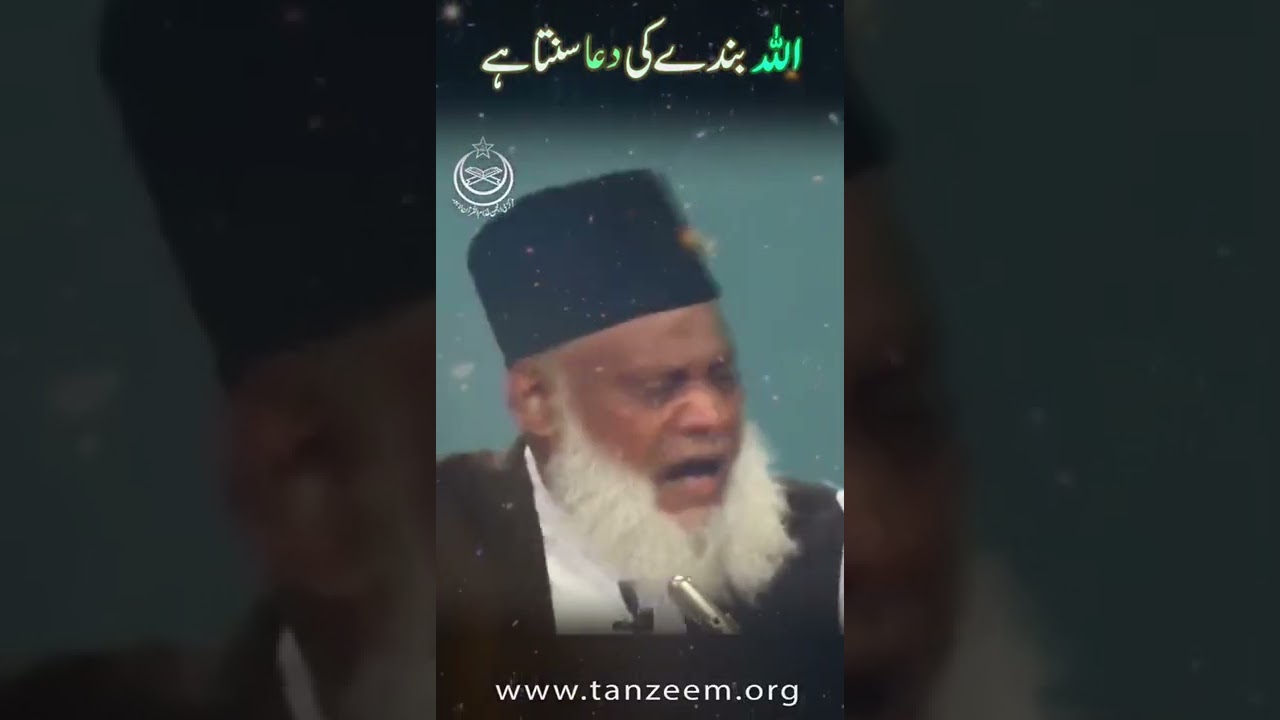
This lecture emphasizes that prayer (dua) is the core of worship. God hears and responds to every sincere call, irrespective of the supplicant’s location or posture. God accepts prayers offered from any place, whether at home or elsewhere, and responds to those who turn to Him with devotion. The essence of faith lies in maintaining a constant connection with God through heartfelt supplication.
22
