Korte broek
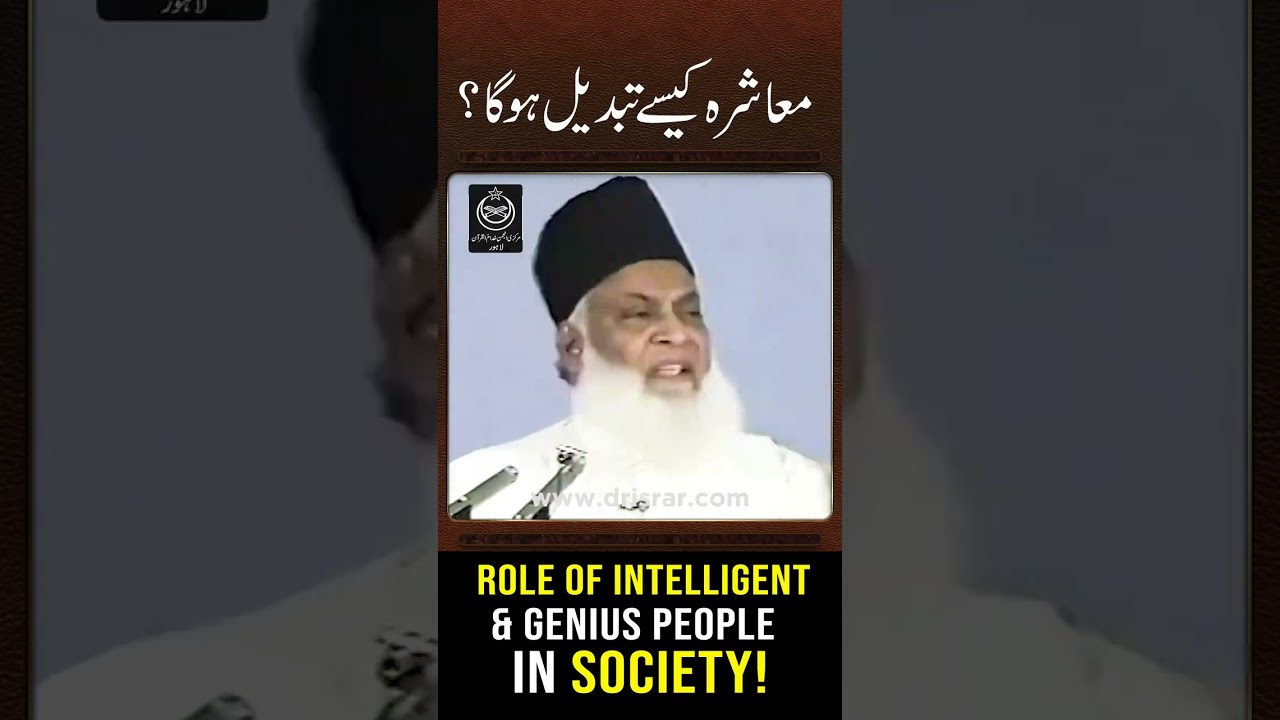
This lecture emphasizes that societal change is impossible without first changing individuals. The speaker argues that focusing on transforming individuals is more impactful than attempting to directly alter the collective. A core point is that a powerful intellectual class, or 'brain trust', must be engaged to facilitate this individual transformation. Without addressing the core beliefs and mindset of individuals, systemic change will remain elusive. The lecture prioritizes the empowerment of individuals as the primary driver of societal progress.

52

The Quran was not revealed all at once, but gradually over a period of time. This approach served multiple purposes. It allowed people to comprehend and internalize the teachings progressively, fostering deeper understanding and personal transformation. The gradual revelation accommodated the capacity of the audience, ensuring they could reflect upon and integrate the message into their lives. This method facilitated a lasting impact on their intellect, mindset, and overall character. The Quranic verse (Surah Bani Israel 106) explicitly states this intentional fragmentation to aid in recitation and comprehension.
40
Dr. Israr Ahmad discusses the Islamic ruling on property dealers charging fees from both the buyer and seller, or from both landlord and tenant. He asserts that taking fees from both sides is *haram* (forbidden). The dealer should only take a commission from one party to incentivize securing the best possible deal for that client, whether a lower rental price or a better sale price. This approach ensures fairness and ethical conduct in property transactions.
69
Dr. Israr Ahmad discusses whether reading newspapers or believing in astrological predictions constitutes a sin. He argues that engaging in frivolous activities is undesirable, and time should be dedicated to beneficial and righteous deeds. The lecture centers on the importance of safeguarding one’s time and utilizing it for constructive purposes, rejecting activities that distract from spiritual growth and meaningful work. Belief in astrology is explicitly identified as sinful.
54

Dr. Israr Ahmad discusses the enigmatic figure of Zul-Qarnain mentioned in the Quran. He explores the possibility that Zul-Qarnain may be connected to the historical figure of Gautama Buddha, noting the lack of detailed information about Zul-Qarnain in both the Quran and Hadith. He suggests a link based on geographical references within Surah Al-Kahf and the story of a prince from Kapilavastu. Dr. Ahmad acknowledges the potential for later interpretations and additions to Buddha’s teachings, similar to those surrounding Jesus Christ, while also pointing out a possible consistency between the core principles of all prophets of God. He emphasizes the need for critical analysis and understanding of historical and religious figures.
51
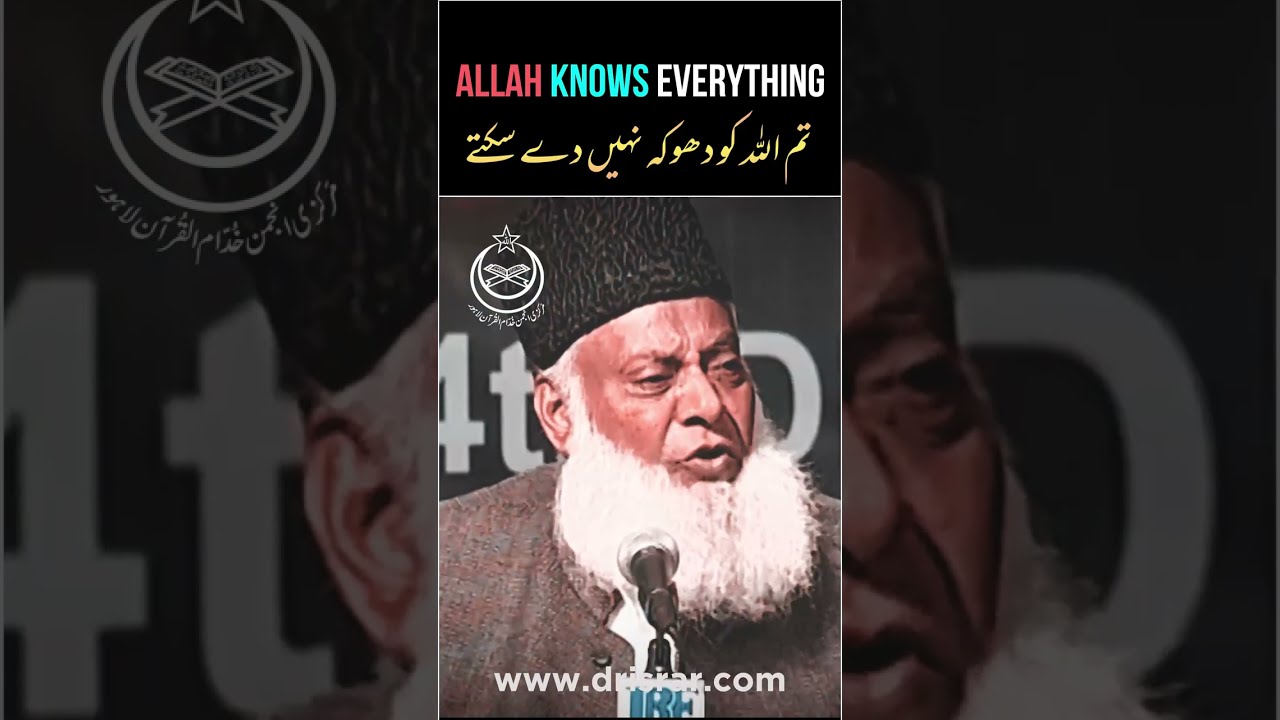
This lecture addresses the deceptive nature of presenting outward religious acts while harboring inner disobedience. It asserts that Allah is not fooled by superficial displays of piety, such as performing Hajj or Umrah with ill-gotten gains. Partial obedience is considered equivalent to disobedience, and true acceptance from Allah requires complete sincerity and adherence to divine commands. The speaker emphasizes that worldly punishments are a direct consequence of collective wrongdoing, despite the vast Muslim population globally, and that genuine faith demands more than mere ritualistic practice.
54
