Şort
This lecture emphasizes that societal change is impossible without first changing individuals. The speaker argues that focusing on transforming individuals is more impactful than attempting to directly alter the collective. A core point is that a powerful intellectual class, or 'brain trust', must be engaged to facilitate this individual transformation. Without addressing the core beliefs and mindset of individuals, systemic change will remain elusive. The lecture prioritizes the empowerment of individuals as the primary driver of societal progress.

52
This lecture explores the concept of *nafs* (the self) becoming a false deity. It argues that prioritizing personal desires over divine commands elevates the self to a position of worship. The speaker explains that obedience to *nafs* equates to servitude to a false god, illustrated by the example of Pharaoh who demanded worship from his people. Acting upon the desires of *nafs*, even when those desires involve forbidden acts, confirms its status as one’s true deity. True faith requires submission to God’s commands, not the dictates of the ego.
71
Dr. Israr Ahmad discusses the reasons behind the lack of fervor within the Muslim community, connecting it to a lack of understanding of the prophetic revolution. He argues that the current state of disillusionment and self-destructive behaviors – exemplified by acts of desperation and misguided aggression – stem from a loss of direction and a failure to comprehend the principles of the Prophet Muhammad’s revolutionary message. He emphasizes that without grasping the essence of this revolution, individuals will remain lost and misdirected.
368
This lecture clarifies that true support and reliance should only be placed in Allah. The world is full of false hopes and dependencies. People often seek help from others, believing they will provide assistance, but these relationships are ultimately fragile and unreliable, like spiderwebs. True strength comes from a connection with Allah alone. Seeking support from anyone or anything other than Allah is a mistake, as only He is the ultimate protector and provider. This concept emphasizes the importance of tawakkul (trust in Allah) and the transient nature of worldly relationships.
48

The Quran uses the term ‘Noor’ (light) as a metaphor for Allah and also for the Quran itself. The verse ‘Believe in Allah, His Messenger, and the light which We have sent down’ clearly refers to the Quran. While ‘Noor’ can encompass the entirety of religion, the core essence of religion ultimately boils down to the concept of Tawhid (Oneness of God). Therefore, equating ‘Noor’ with Tawhid is also justifiable. This lecture explores the multifaceted meaning of ‘Noor’ within the Quranic context and its significance for faith and understanding.
57
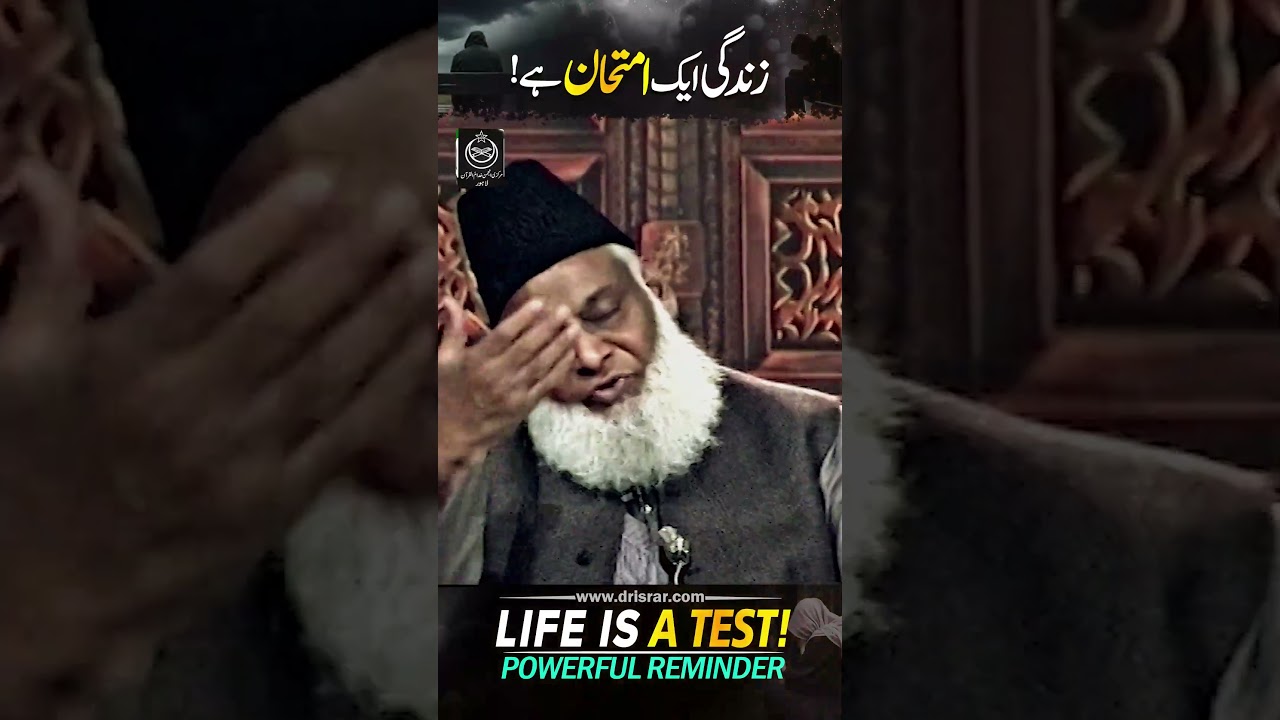
Life is a continuous test of both human nature and intellect. Recognizing God is the initial trial, followed by steadfastness in obedience. True belief necessitates complete adherence to divine commands and abstinence from prohibitions, even in the face of adversity. This principle of unwavering commitment has been a constant throughout history, exemplified by the trials faced by prophets like Ibrahim. God consistently tests those who come before us, and remembering these trials offers guidance and strength.
45
