Kurze Hose

Human beings can attain knowledge of fundamental truths about the universe through their innate nature (sound disposition) and sound intellect, without requiring external revelation. A pure nature, free from corruption, combined with an intellect unburdened by arrogance or prejudice, allows one to perceive the existence of a Creator. This Creator possesses all attributes of perfection, is free from all flaws, and is the ultimate Sustainer. This inherent understanding arises from self-reflection and rational thought, guiding individuals to recognize the divine through their own faculties.

56
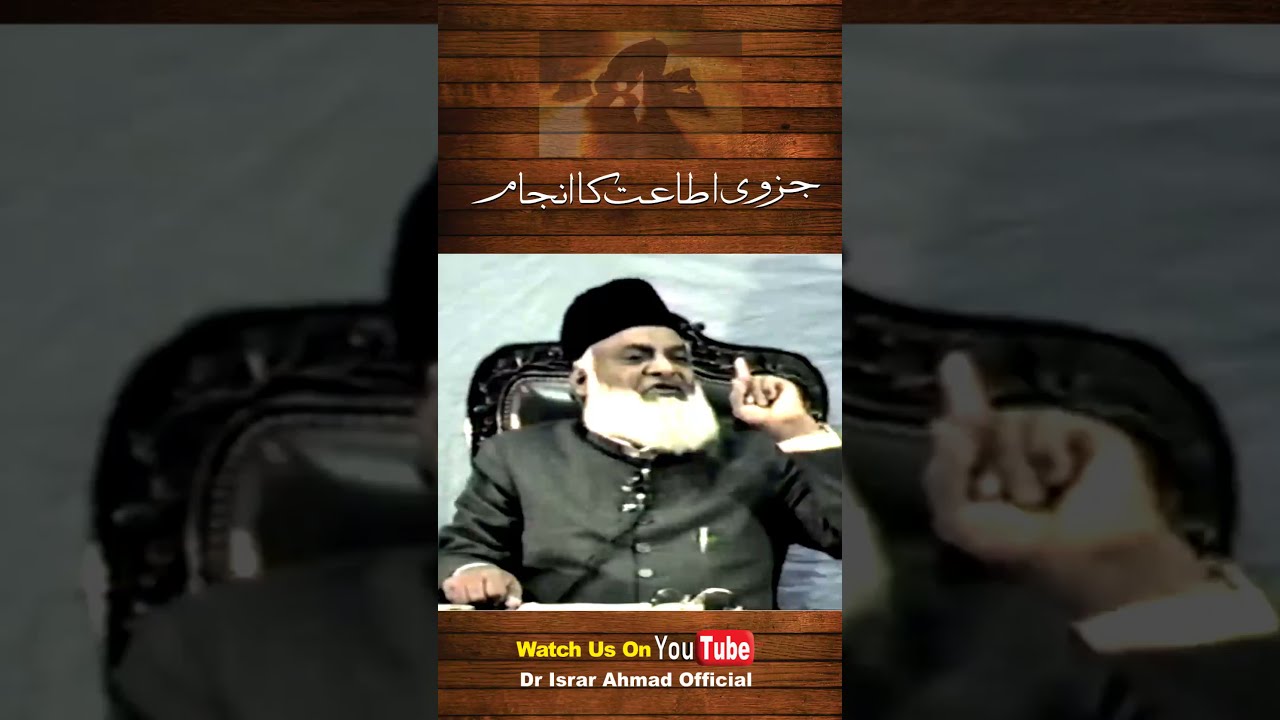
A nation claims to believe in God, the Prophet, the Quran, and Sharia, yet fails to fully implement it. Partial adherence is deemed worse than outright rejection. The Quran, specifically Surah Baqarah verse 85, warns that selective acceptance of divine law leads to severe punishment. Those who choose this path face disgrace in this world and intense torment on the Day of Judgment. This lecture emphasizes the necessity of complete submission to the entirety of Sharia for true faith and salvation.
57

The Quran was revealed in Ramadan, necessitating fasting. While the Quran is a guidance for all humanity, benefiting from it requires *taqwa* (righteousness). The initial verses of Surah Baqarah emphasize guidance is for the righteous. Memorizing the Quran without embodying its moral principles results in a flawed character. A nation entrusted with the Quran but failing to fulfill its obligations will not prosper. The Quran provides complete guidance for all times, but *taqwa* is the prerequisite for genuine benefit. True understanding and fulfillment come with righteousness.
74

This lecture emphasizes the reciprocal relationship between a believer and God. Remembering God leads to God remembering the believer, fostering a deep spiritual connection. The discussion highlights the importance of sincere remembrance (zikr) in gatherings and individually, leading to divine response and acceptance. True faith requires unwavering loyalty, love, and making God the ultimate beloved, surpassing all other desires and goals. This establishes a profound bond where God alone becomes the purpose and objective of life.
93

This lecture emphasizes the critical state of the Muslim community and the neglect of its core religious principles. It argues that faith isn’t merely for personal salvation but requires active preservation and implementation in all aspects of life. The speaker warns against complacency and encourages Muslims to uphold their faith against external pressures and internal decay, reminding them of their responsibility to establish and maintain religious principles. It stresses that a faith trampled upon while its adherents remain passive is a betrayal of its true purpose.
76

This video recounts an incident where Hazrat Ali’s armor was stolen and recovered from a Jewish man. Hazrat Ali, despite being the Caliph, appeared before the judge as a plaintiff. He corrected the judge for addressing him by his kunya (nickname) instead of his name, emphasizing that he was present as an ordinary litigant seeking justice, not as a figure of honor. When the Jewish man failed to produce valid witnesses beyond his son and slave, Hazrat Ali requested other witnesses. Upon failing to do so, the case was dismissed, leading the Jewish man to confess the theft. This highlights Hazrat Ali's commitment to justice and fairness, even when personally involved.
55
