ショーツ
Human beings can attain knowledge of fundamental truths about the universe through their innate nature (sound disposition) and sound intellect, without requiring external revelation. A pure nature, free from corruption, combined with an intellect unburdened by arrogance or prejudice, allows one to perceive the existence of a Creator. This Creator possesses all attributes of perfection, is free from all flaws, and is the ultimate Sustainer. This inherent understanding arises from self-reflection and rational thought, guiding individuals to recognize the divine through their own faculties.

56
This excerpt details a poignant scene from the Battle of Uhud. Following intense fighting and significant casualties, a water carrier arrives to offer relief to the wounded. The narrative focuses on the selfless prioritization of others, even in extreme pain and distress. Multiple injured soldiers call out for water, but the carrier is repeatedly directed to serve those more critically wounded. The story culminates in the tragic passing of the water carrier himself, highlighting the immense sacrifice and the fragility of life during battle. It underscores themes of compassion, selflessness, and the acceptance of fate in the face of mortality.
57
This lecture explores the historical context of the Prophet Muhammad’s era, emphasizing that the triumph of Islam was not merely a historical event but a continuing process. It highlights the sacrifices made by those who strove to establish the principles of Islam, contrasting their success with the misfortune of those who remained indifferent. The speaker asserts that the fulfillment of the Prophet's mission will continue, even if not by the current generation, as it is a divine decree. The lecture stresses the importance of dedicating oneself to this purpose, recognizing it as the path to true success in this life and the hereafter.
98
This lecture explores the concept of pure existence, arguing that ultimate reality transcends material comprehension. It posits that the truly knowing – the mystics and the wise – ultimately arrive at the understanding that ‘just being’ is fundamental. The material world is a construct, while the perception of the Divine is a matter of subjective experience. This reality is beyond human grasp, accessible only through profound contemplation and spiritual insight. The lecture emphasizes the limitations of rational understanding when confronting the infinite nature of existence.
82
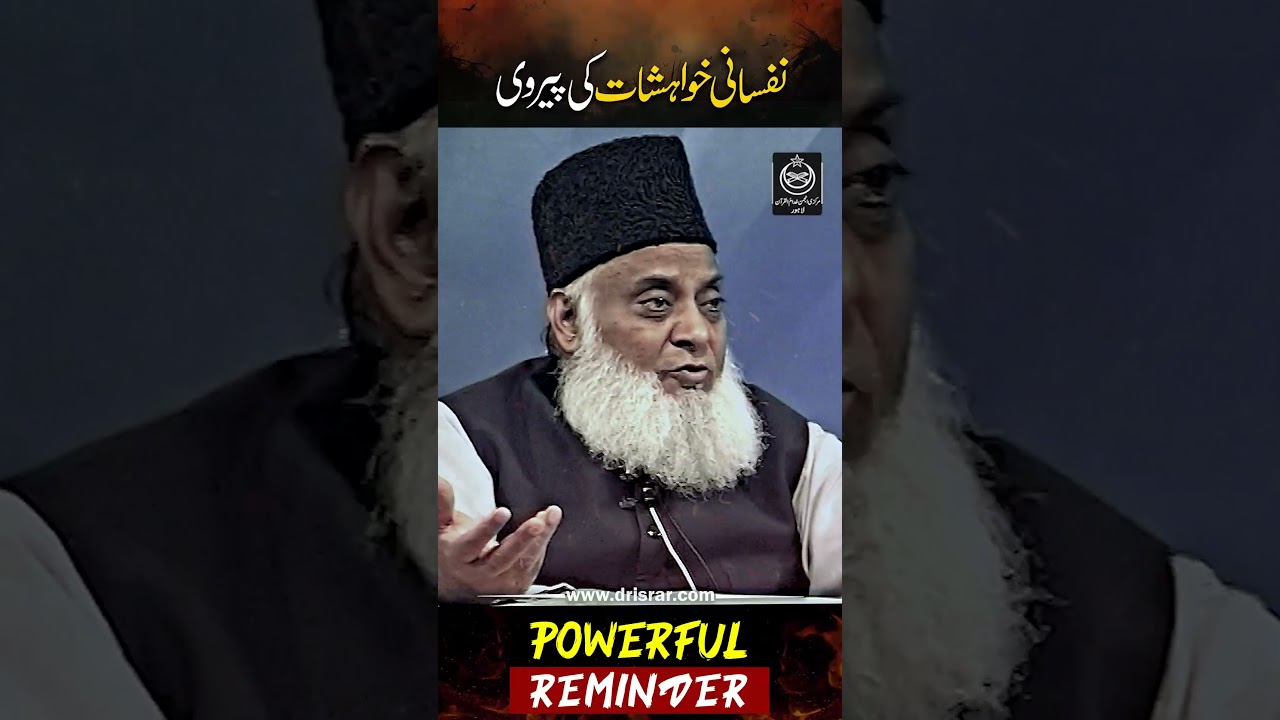
This lecture explores the concept of *nafs* (the self) becoming a false deity. It argues that prioritizing personal desires over divine commands elevates the self to a position of worship. The speaker explains that obedience to *nafs* equates to servitude to a false god, illustrated by the example of Pharaoh who demanded worship from his people. Acting upon the desires of *nafs*, even when those desires involve forbidden acts, confirms its status as one’s true deity. True faith requires submission to God’s commands, not the dictates of the ego.
79
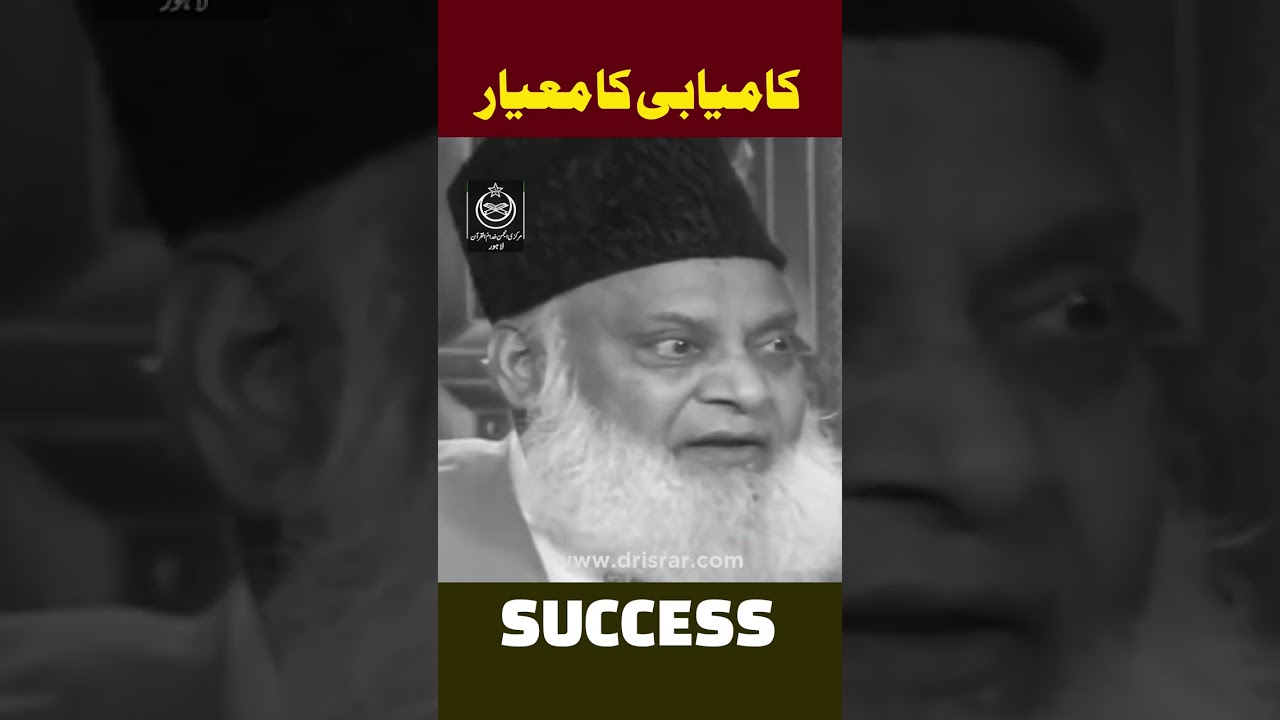
Success and failure are defined not by worldly status or wealth, but by faith, righteous deeds, perseverance, and truthfulness. A person lacking worldly possessions may hold a high position in the eyes of God, and their oaths will be honored. True success lies in maintaining faith and performing good deeds even in times of hardship and poverty. Being poor or unknown is not a detriment if one remains steadfast in belief and practice.
60
