السراويل القصيرة
Human beings can attain knowledge of fundamental truths about the universe through their innate nature (sound disposition) and sound intellect, without requiring external revelation. A pure nature, free from corruption, combined with an intellect unburdened by arrogance or prejudice, allows one to perceive the existence of a Creator. This Creator possesses all attributes of perfection, is free from all flaws, and is the ultimate Sustainer. This inherent understanding arises from self-reflection and rational thought, guiding individuals to recognize the divine through their own faculties.

56
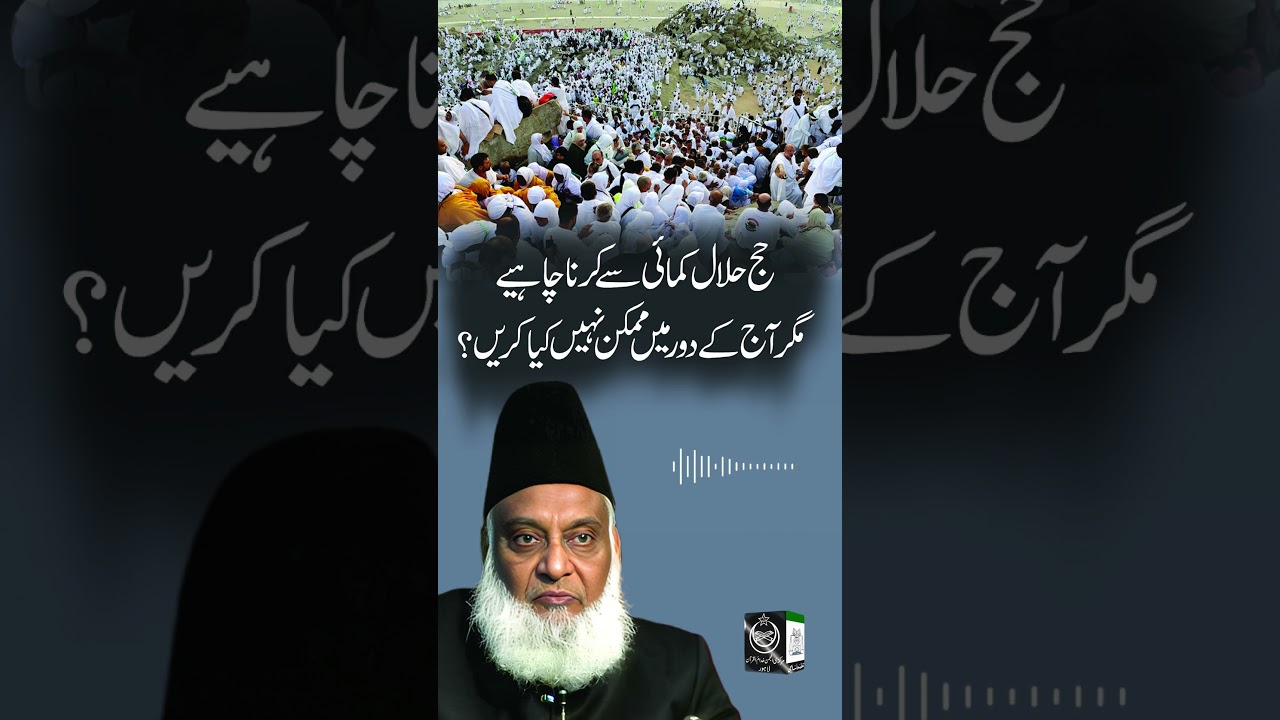
Performing Hajj and other religious obligations requires wealth earned through lawful means. Acquiring purely halal income is challenging in modern times due to pervasive indirect involvement with interest. Ambient interest exists in the air we breathe and the food we consume, which is considered a general impurity and doesn’t necessarily invalidate a transaction. Direct involvement, such as taking loans with interest to build homes or businesses, or depositing money to earn interest, is unequivocally forbidden. However, unintentional mistakes are forgivable, as God is Merciful and Pardoning. Focusing on acquiring halal income and avoiding strictly prohibited actions is paramount.
60
This lecture emphasizes the severity of spreading unverified information. Simply repeating what one hears without investigation constitutes a form of falsehood, even without malicious intent. The speaker stresses the importance of verifying information before sharing it, as relaying unconfirmed news contributes to the spread of lies. Repeating hearsay, even without intending to deceive, makes one complicit in the dissemination of falsehoods. The lecture advocates for careful consideration and verification before speaking.
64
Dr. Israr Ahmad explains the profound wisdom behind the Prophet Muhammad's (peace be upon him) decision to refrain from accepting charity (sadqa) or Zakat for himself and his household. This ensured that the benefits reached those truly in need – the poor and deserving. He emphasizes that wealth carries obligations beyond just Zakat, encouraging additional support for those less fortunate. The speaker repeatedly highlights that wealth carries responsibilities beyond the obligatory Zakat and encourages providing aid beyond it.
103
This lecture categorizes people into three groups based on their relationship with faith and worldly desires. The first group possesses genuine faith, pure intentions, and benefits from divine guidance. The second group is consumed by materialism, devoid of true spirituality or meaningful good deeds, and spends wealth solely on personal indulgence. The third group occupies an intermediate position, performing good deeds motivated by ego, reputation, or worldly gain rather than sincere faith. Their actions are likened to a mirage, lacking genuine spiritual value. The lecture emphasizes the distinction between actions performed for the sake of Allah and those driven by self-interest.
59
The concept of *shahadat* (witnessing) in Islam extends beyond martyrdom. It encompasses bearing witness to the Oneness of God, the Prophethood of Muhammad, and the truth of the Quran, both through verbal affirmation and practical conduct. This witnessing occurs on both individual and collective levels, demonstrated through one's character, actions, and adherence to a righteous life. True faith is proven not merely by professing belief, but by embodying it in every aspect of life, reflecting a sincere connection with God, the Prophet, and the divine message.
64
