Shorts

This lecture explores the Prophet Muhammad’s (peace be upon him) acknowledgement of uncertainty regarding the timing of divine victory. The Quranic verses cited reveal that even the Prophet did not know whether the promised events were imminent or distant. This highlights a crucial understanding: knowledge of the unseen rests solely with God. The lecture emphasizes that such knowledge is not granted to even the most revered messengers, and that uncertainty about the future is a natural human condition. The verses also suggest that trials and tribulations may be part of the divine plan, serving as both tests and opportunities for growth. The core message is acceptance of divine will and a focus on present action rather than speculation about the future.

36

This lecture explores the concept of divine uniqueness, emphasizing that God is free from any partners, progeny, or need for support. It highlights the attributes of God as the sole sovereign, creator, and sustainer of the universe, deserving of all praise and magnification. The discussion centers on the affirmation of God’s absolute oneness and transcendence, rejecting any form of association or limitation to His divine essence. It underscores the importance of recognizing God's perfect attributes and submitting to His will.
37
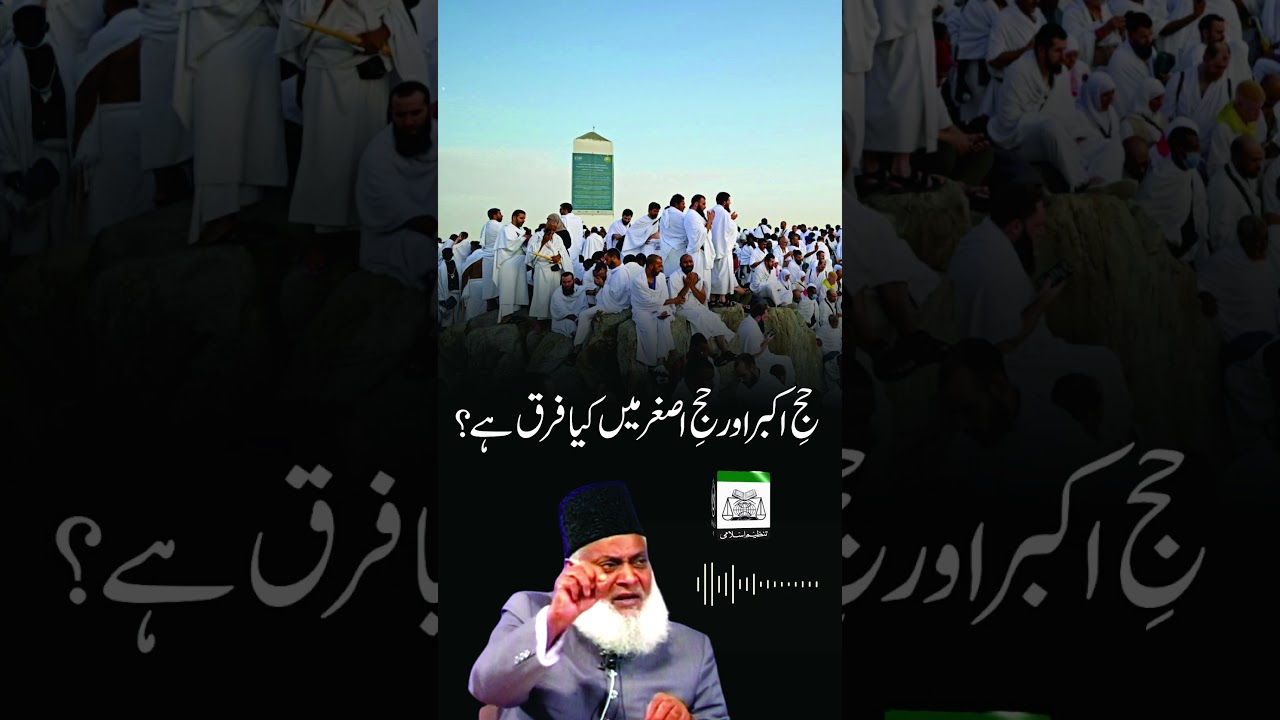
The common misconception that performing Hajj on a Friday is ‘Hajj Akbar’ is inaccurate. Originally, Arabs designated ‘Hajj Asghar’ for Umrah and ‘Hajj Akbar’ for the complete Hajj pilgrimage. The core meaning of ‘Hajj’ is intentional travel or journeying. Therefore, traveling for Umrah also constituted a ‘Hajj,’ albeit a lesser one. The Hajj performed during the designated days in Mecca is considered ‘Hajj Akbar.’ There is no additional merit to performing Hajj specifically on a Friday.
92

The speaker clarifies a common misinterpretation of the phrase “fear God.” He argues that the original meaning is not fear of a terrifying entity, but rather a fear of disobeying Allah and failing to meet His expectations. This fear is akin to a dutiful son’s concern about disappointing his father. True reverence for Allah involves avoiding actions that would displease Him and fulfilling the hopes He has for His creation. The speaker emphasizes Allah's attributes of mercy and love, contrasting them with the notion of a fearsome God. This fear should motivate obedience and a striving to please Allah, not a paralyzing dread.
75

The Prophet Muhammad (peace be upon him) emphasized that fulfilling Zakat is not merely about giving a fixed portion of wealth. It is an acknowledgement that Allah has a right in our possessions beyond just the obligatory Zakat. The Quran highlights spending on relatives, orphans, the needy, travelers, and freeing slaves as acts of righteousness. Zakat is a pillar of Islam, akin to prayer in strengthening faith. The ability to spend in the path of Allah is sustained through the practice of Zakat as an act of worship. It is not simply about wealth redistribution, but about purifying one's soul and fostering spiritual growth.
106
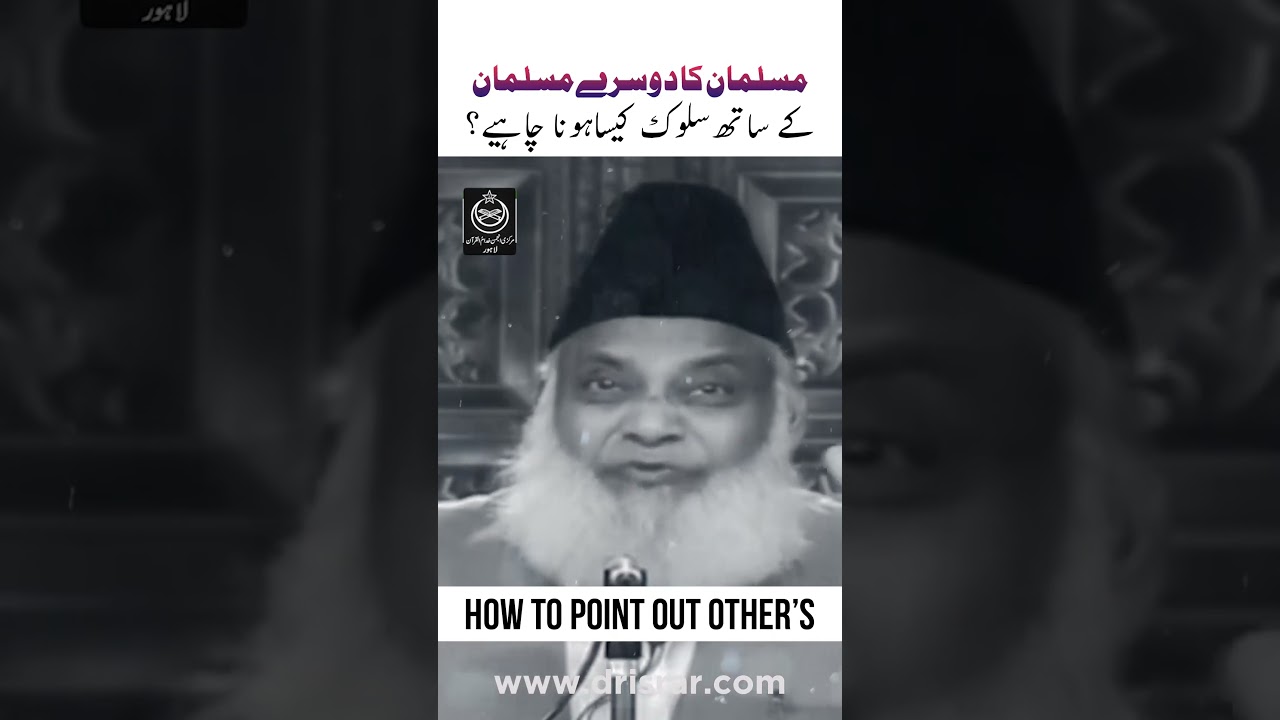
This lecture explains the hadith stating that Muslims should be mirrors to one another. This means Muslims should respectfully and compassionately point out each other’s flaws, not to demean, but to facilitate self-improvement. This guidance emphasizes delivering constructive criticism with kindness, sincerity, and a genuine desire for the other’s betterment. The focus is on offering advice from a place of goodwill, devoid of arrogance or self-righteousness, and with a spirit of empathy and heartfelt concern.
47
