Corti

This lecture explores the Prophet Muhammad’s (peace be upon him) acknowledgement of uncertainty regarding the timing of divine victory. The Quranic verses cited reveal that even the Prophet did not know whether the promised events were imminent or distant. This highlights a crucial understanding: knowledge of the unseen rests solely with God. The lecture emphasizes that such knowledge is not granted to even the most revered messengers, and that uncertainty about the future is a natural human condition. The verses also suggest that trials and tribulations may be part of the divine plan, serving as both tests and opportunities for growth. The core message is acceptance of divine will and a focus on present action rather than speculation about the future.

36

This lecture details the performance of Eid al-Fitr prayers, specifically the additional *takbirat* (proclamations of greatness). The Hanafi school of thought prescribes six additional *takbirat*, while the Ahl-e-Hadith observe twelve. The speaker emphasizes performing these *takbirat* both on the way to and from the Eid prayer location, ideally using different routes to maximize the resonance of the divine proclamation throughout the community. The core message is a call to establish and defend the true faith through dedicated effort, sacrifice, and struggle, demonstrating gratitude for divine guidance. The lecture urges listeners to proclaim and uphold God’s sovereignty.
73

True prayer requires a conscious awareness of standing before God. The speaker explains that a spiritually dormant soul hinders genuine connection during prayer. A soul that is suppressed, crushed, or dead cannot facilitate a meaningful dialogue with the Divine. Even if one observes all the rituals of prayer – the five daily prayers, adopting a pious appearance – these acts are ineffective without a revived, communicative spirit. The speaker emphasizes that a connection with the Divine is established through the awakening of the soul and a direct, heartfelt conversation with God.
43
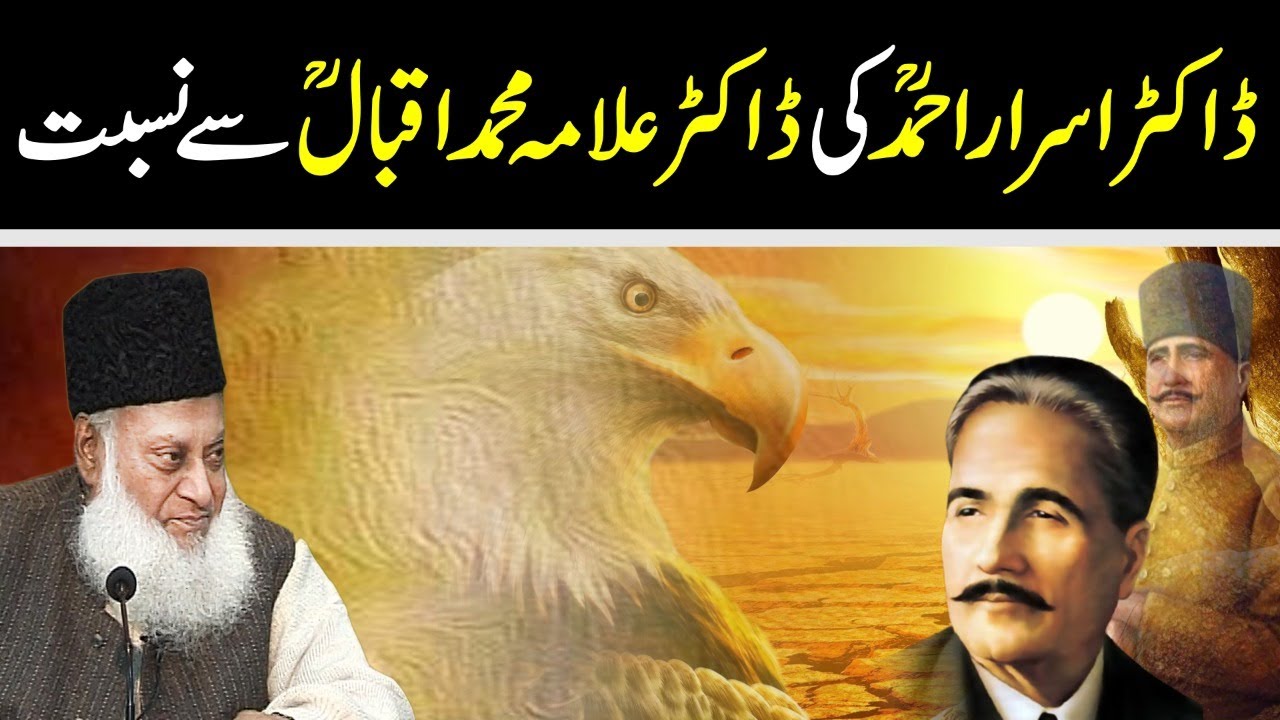
Dr. Israr Ahmad discusses Allama Iqbal’s vision for the Muslim Ummah, his early exposure to Islamic teachings, and the connection between his poetry and the Quran. He details the establishment of an organization fulfilling Iqbal’s dream of combining Quranic study with modern education, and the principles behind the founding of an organization dedicated to practicing Muslims committed to Quranic principles. He also explains the reasons behind the failure of the establishment of Jamaat-e-Islami and the founding of Tanzeem-e-Islami. Dr. Ahmad emphasizes the importance of prioritizing faith and practice over political engagement and adhering to a system based on commitment rather than elections. He shares his personal connection with Iqbal’s legacy and his commitment to continuing his work.
80

This lecture explores the meaning of ‘Akbar’ as revealed in the initial verses concerning the prophethood. It emphasizes rising above complacency and recognizing the grandeur of God. The verses urge individuals to abandon their comfort and embrace a life dedicated to proclaiming the truth of resurrection and divine greatness. The core message centers on acknowledging God’s supremacy, establishing a system that reflects that greatness, and actively conveying this message to others. The lecture calls for a complete submission to God and a life lived in recognition of His power and majesty.
42

The Quran’s resounding verses jolted people from their slumber and roused those lost in worldly pleasures. The verses of Surah Al-Asr emphasize humanity’s inherent loss and the impending accountability. The approaching Day of Judgement finds people heedless and turning away. These powerful pronouncements caused widespread upheaval and a sense of urgency throughout Arabia, compelling a reckoning with spiritual realities.
39
