Kurze Hose
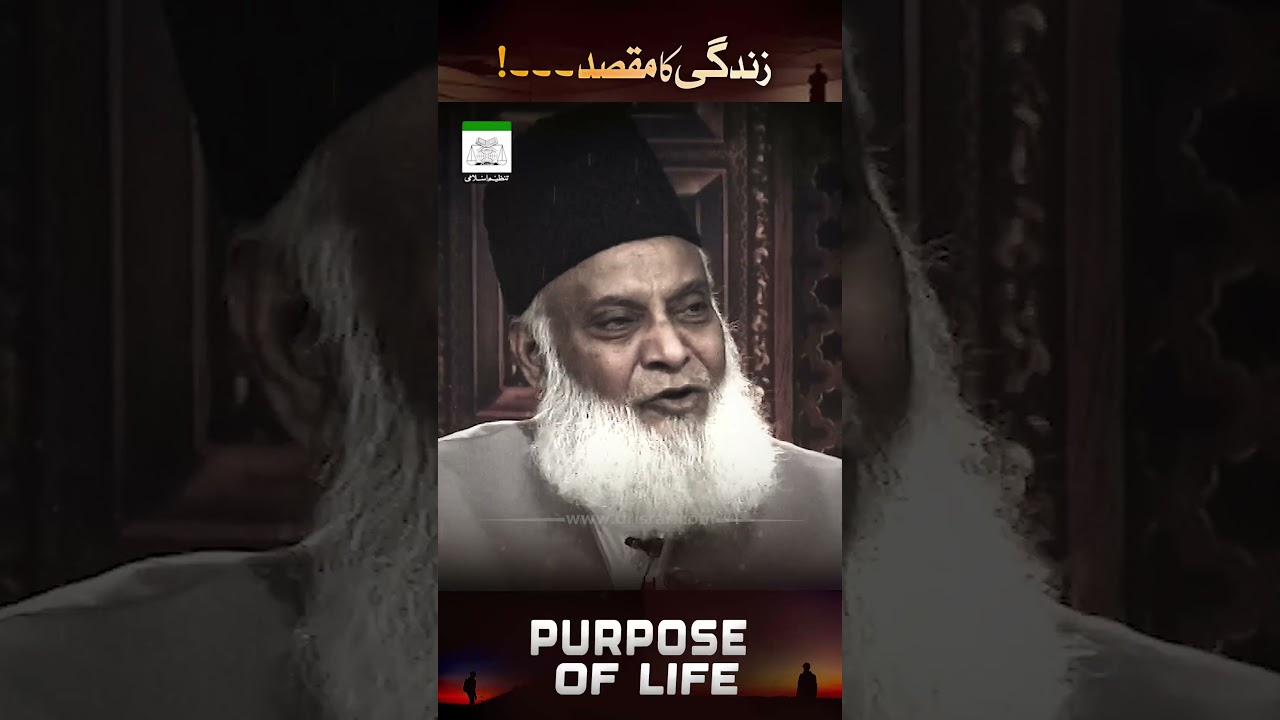
Every conscious human being has a purpose, an ideal, or an inspiration in life. They strive to achieve this ideal through effort and perseverance. A person without purpose is akin to an animal, living solely on instinct and fulfilling basic needs like eating and reproduction. Animals exist based on instinct, lacking a higher purpose. Such a life is considered base. The Quran emphasizes that a life devoid of purpose is animalistic. True humanity lies in having a defined goal and striving towards it.

97

This lecture discusses the inevitability of trials and tribulations in the lives of believers, referencing historical hardships faced by early Muslims, particularly during times of famine and war. It emphasizes that these tests are not punishments, but opportunities to demonstrate patience and faith. The speaker recounts instances of extreme hunger experienced by companions of the Prophet Muhammad (peace be upon him), highlighting their resilience and sharing of limited resources. The core message is that enduring hardship with patience brings divine reward and strengthens one’s connection with God.
59

The Quran, as divine speech, reflects the complete personality of its speaker – Allah. The eloquence and depth of language reveal the speaker's knowledge, sophistication, and the heights of their thought. It is a complete representation of divine attributes, offering insight into Allah’s characteristics, wisdom, and the breadth of divine understanding. The very nature of speech embodies the speaker’s status, intellect, and the scope of their perception. Consequently, the Quran serves as a perfect manifestation of Allah’s complete personality and attributes.
85

This lecture discusses the significance of sacrificial animals in Islam, specifically during Hajj and Eid al-Adha. It explains that these animals represent symbols of devotion to God and foster a spiritual connection. The benefits derived from these animals, such as milk and other resources, are permissible, highlighting the inherent goodness and blessings within the act of sacrifice. The practice reinforces faith and strengthens the believer’s relationship with the Divine.
53

This lecture explores the concept of attributing both good and evil to Allah, emphasizing the importance of acknowledging mistakes and seeking forgiveness. It clarifies that while humans are prone to error, attributing good deeds to divine guidance and accepting responsibility for misdeeds is crucial. The speaker highlights the necessity of repentance (tawbah) and understanding that true guidance comes from Allah alone. The discussion also touches upon the temptation and subsequent justification of wrongdoing, illustrating the deceptive nature of Shaytan and the importance of self-accountability. Ultimately, the lecture emphasizes that sincere repentance and reliance on Allah’s mercy are essential for spiritual growth.
58

The concept of *ubudiyat* (devotion) encompasses two essential elements: the utmost love and complete submission. True devotion is achieved when both reach their peak, uniting in a profound connection with the Divine. This lecture emphasizes that devotion is fundamentally rooted in intense love for God, coupled with total surrender and humility before Him. These two aspects are inextricably linked; one cannot exist without the other. The complete yielding of self, and an absolute devotion, are the hallmarks of genuine worship.
56
