Kratke hlače

This lecture explains that true migration (Hijrat) isn’t necessarily physical relocation, but rather abandoning disobedience and striving for obedience to God. It's a continuous internal struggle (Jihad) against base desires and harmful habits. The most superior migration is renouncing everything displeasing to God, even while remaining in one’s home and among family. This internal shift, a detachment from the prohibited, constitutes genuine Hijrat.

64
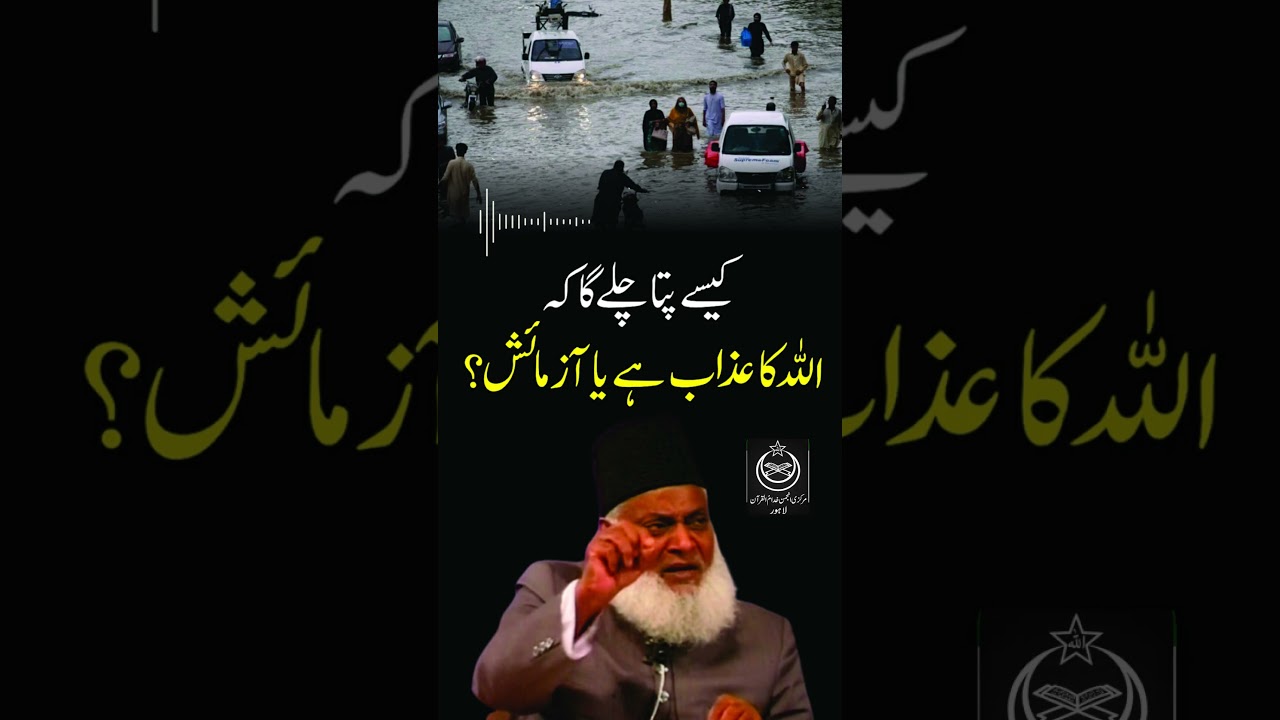
This lecture clarifies the distinction between trials (imtihan) and consequences (sada). It explains that both may appear similar externally, but the heart discerns their origin. Trials befall those striving on the righteous path, serving as tests from God. Consequences, however, stem from one’s actions. The heart will reveal whether a difficulty is a trial designed to elevate one’s status or a consequence requiring atonement. Recognizing this difference is crucial for spiritual growth and understanding divine justice.
55
Universal moral principles are consistent across all religions, philosophies, and cultures. These include the inherent goodness of truthfulness, promise-keeping, fulfilling needs, honoring parents, and the inherent wrongness of lying, breaking promises, being dismissive, and neglecting parental duties. These foundational ethical guidelines are present in every society, consistently emphasized throughout history.
49
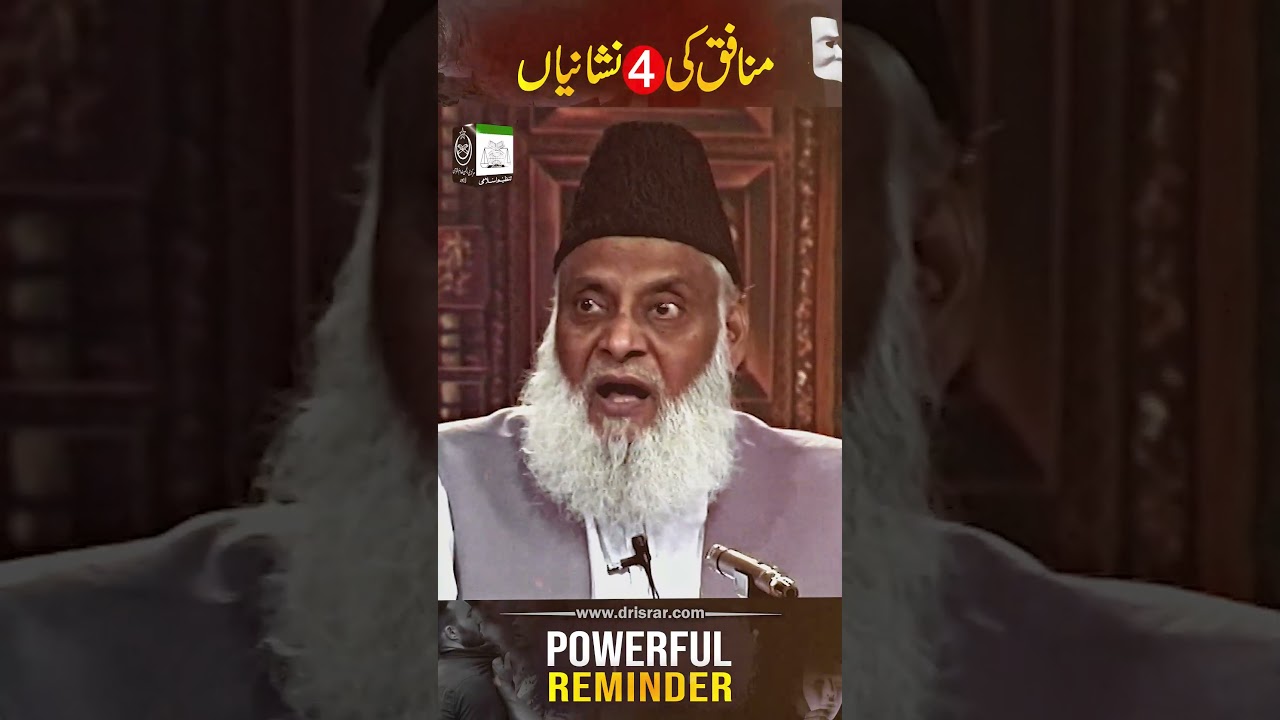
This lecture details the four characteristics that define a complete hypocrite, and the presence of even one of these traits indicates a degree of hypocrisy. These characteristics are: disloyalty when entrusted, lying when speaking, breaking promises, and losing control during disputes, escalating to abusive language and physical aggression. The speaker explains that true conflict resolution requires self-control and adherence to truthfulness, while the traits of a hypocrite lead to societal breakdown and discord. The lecture emphasizes that even a small amount of hypocrisy can be damaging and requires immediate self-correction.
66
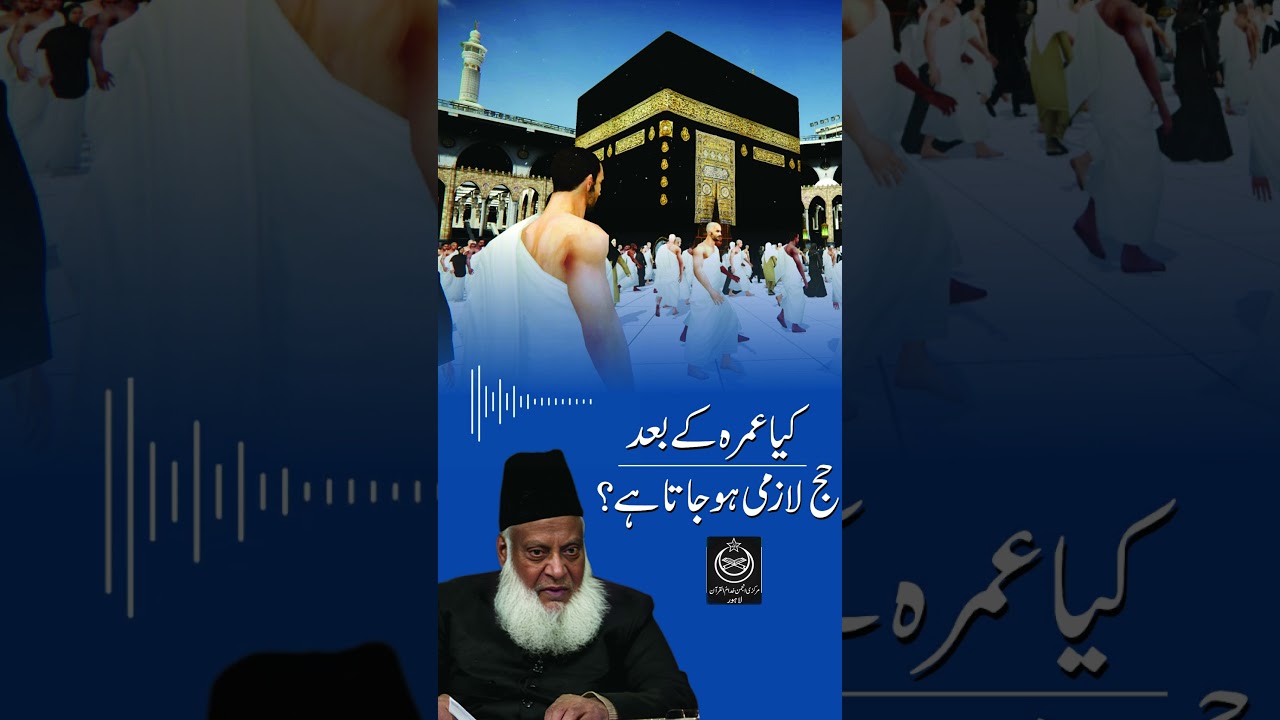
This lecture clarifies whether performing Umrah necessitates performing Hajj. It addresses the scenario of someone performing Umrah while on official government travel, funded by the state, and lacking the financial means for Hajj. The core point is that Umrah itself does not automatically make Hajj obligatory. However, if an individual possesses the financial capability, they should prioritize fulfilling the obligatory Hajj pilgrimage. The lecture emphasizes that if someone can afford to perform Hajj, it becomes an obligation upon them.
75

The speaker illustrates the difference between accepting information based on consensus and achieving genuine belief through personal experience. Just as someone unfamiliar with sugar relies on the testimony of others, true faith requires internal verification. Until one’s ‘test bits’ – internal faculties – are active and functioning, genuine certainty remains elusive. This lecture emphasizes that belief is not merely intellectual assent, but a state attained through lived experience and internal confirmation.
57
