Calção
This lecture explains that true migration (Hijrat) isn’t necessarily physical relocation, but rather abandoning disobedience and striving for obedience to God. It's a continuous internal struggle (Jihad) against base desires and harmful habits. The most superior migration is renouncing everything displeasing to God, even while remaining in one’s home and among family. This internal shift, a detachment from the prohibited, constitutes genuine Hijrat.

64

This lecture explores the concept of attaining spiritual proximity to God through the practice of *nawafil* (voluntary prayers). It details how consistent devotion can lead to a state where the devotee experiences God’s presence in their senses—seeing with God’s sight, hearing with God’s hearing, acting with God’s hands, and walking with God’s feet. This concept, supported by a *hadith qudsi*, signifies a profound level of spiritual union and is acknowledged even by those who may not traditionally align with Sufi interpretations. The discussion emphasizes the transformative power of sincere worship and its capacity to elevate one's spiritual experience.
71
Historically, exploitative systems thrived where rulers demanded half of the agricultural yield from laborers, funding lavish lifestyles and standing armies to suppress dissent. This system, characterized by forced charity and religious manipulation, contrasted sharply with the Islamic concept of Zakat, intended for the welfare of the poor, not the enrichment of rulers. The lecture details how Islam eradicated this exploitative feudalism, replacing it with a system prioritizing social justice and equitable distribution of wealth.
52
This lecture explains the process of self-purification (Tazkiya-e-Nafs) using the analogy of a gardener tending to a garden. Just as weeds hinder the growth of plants by consuming vital nutrients and water, negative traits and obstacles impede human spiritual development. The gardener actively removes these impediments to allow the desired plants to flourish. Similarly, Tazkiya involves identifying and eliminating the internal barriers that prevent true growth and realizing one’s potential. This process is essential for achieving genuine spiritual progress.
84
This lecture details the challenging events faced by the Prophet Muhammad (peace be upon him) during his visit to Taif. The incident at Taif proved more difficult than the Battle of Uhud due to the Prophet being alone with only Zaid ibn Harithah for protection. The people of Taif pelted the Prophet with stones, causing injury and humiliation. Zaid ibn Harithah bravely shielded the Prophet, sacrificing himself to protect him from the attack. This event highlights the Prophet’s resilience and the unwavering loyalty of his companions.
82
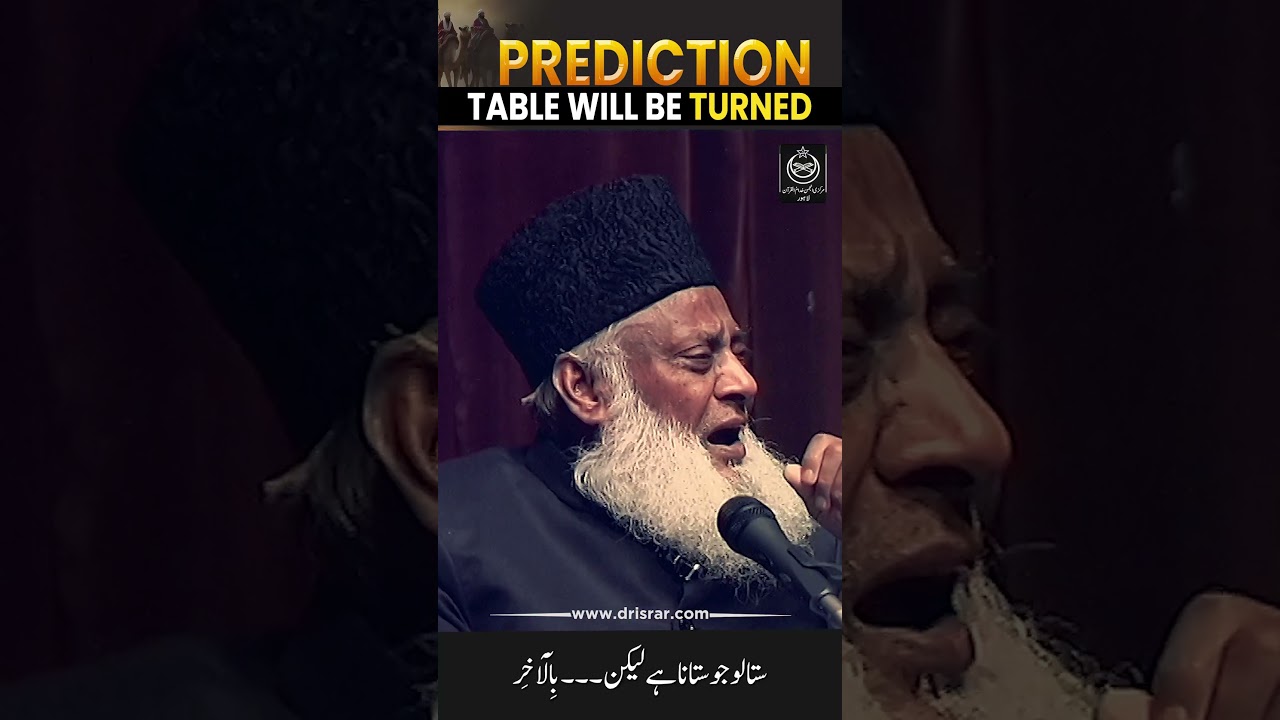
This lecture discusses the inevitability of change and the cyclical nature of life's difficulties. It emphasizes that current hardships, however severe, are temporary. The speaker asserts that even those who inflict pain will eventually face their own trials and that circumstances are subject to constant transformation. The core message is one of hope and resilience, reminding listeners that better times will come, and even oppressors will experience a shift in their fortunes. It underscores the importance of patience and faith in the face of adversity.
66
