Shorts
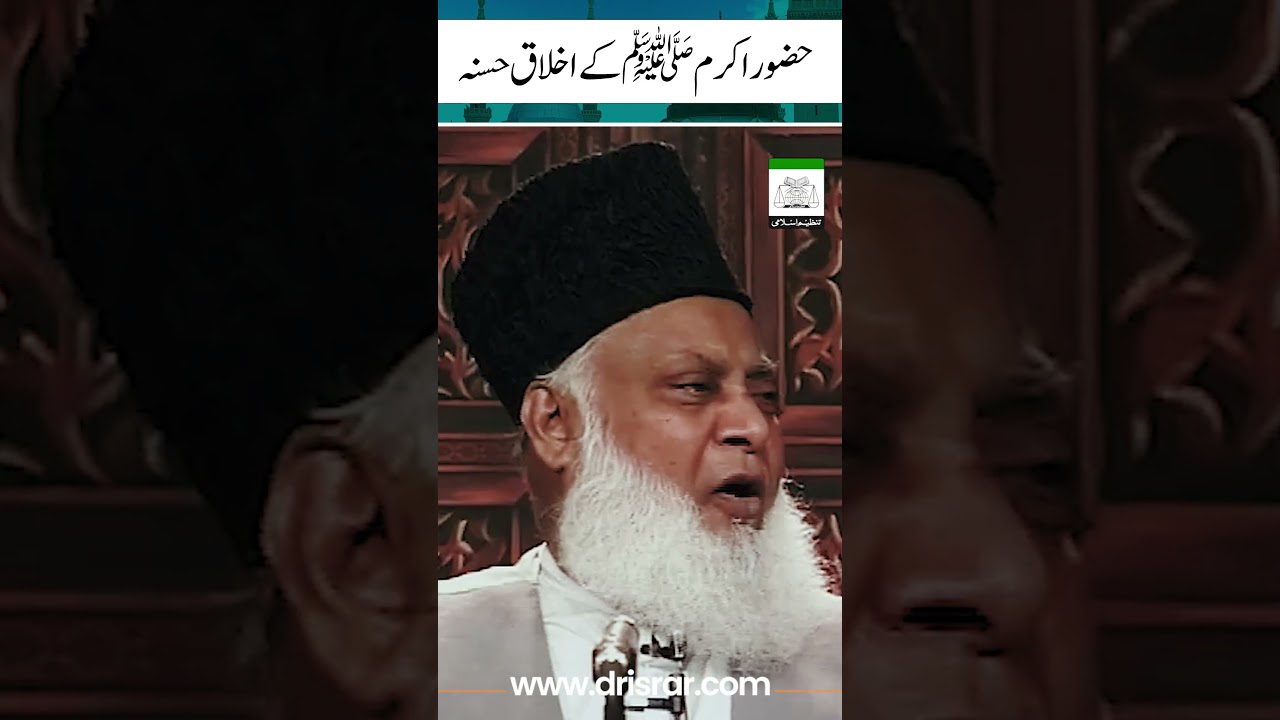
Dr. Israr Ahmad discusses the Prophet Muhammad’s (peace be upon him) remarkable humility and integration with his companions. He emphasizes the Prophet’s deliberate choice to present himself as an ordinary human being, eschewing any display of special status or privilege. The Prophet actively discouraged people from standing upon his arrival and mingled freely with his followers, sitting among them without distinction. This demonstrated a profound commitment to equality and accessibility, fostering a sense of unity and brotherhood among the early Muslim community. The speaker highlights that the Prophet’s approach was a conscious effort to remove barriers between himself and his companions, encouraging genuine connection and spiritual growth.

41
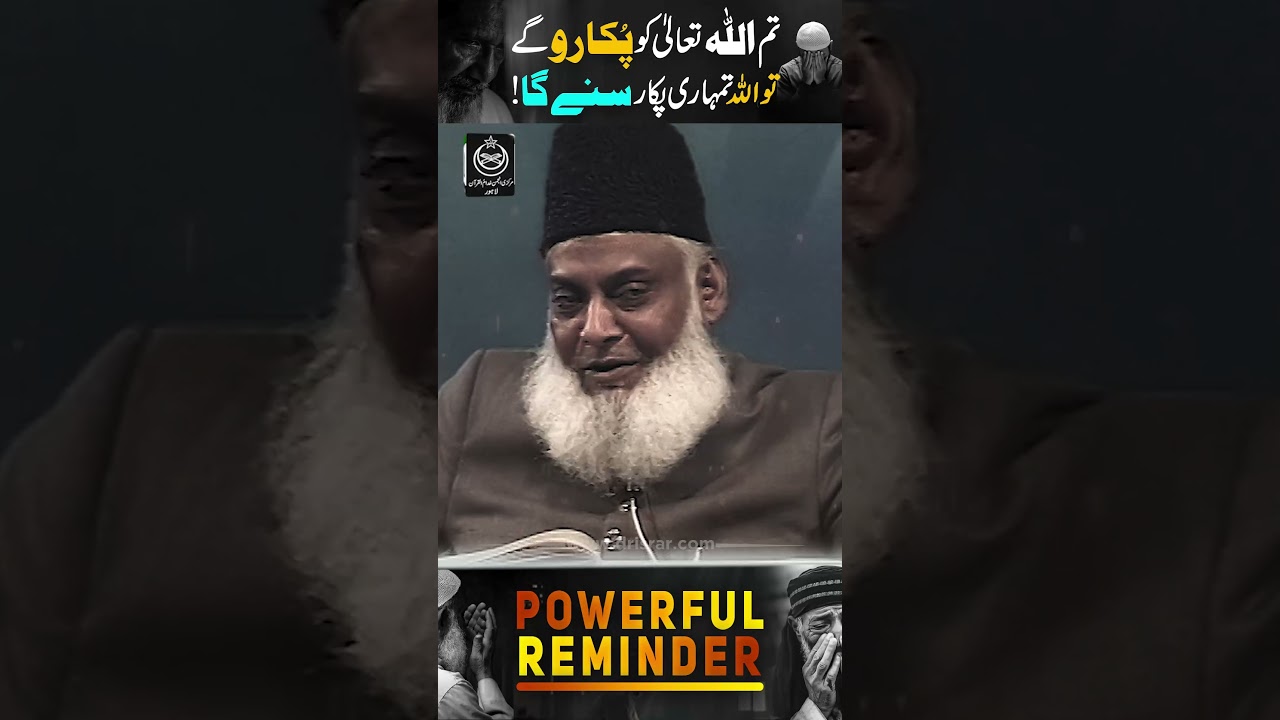
This lecture explores the barriers between humanity and its Creator, emphasizing a reciprocal relationship based on remembrance and gratitude. It asserts that God hears all calls, but responds through acceptance of supplication, contingent upon obedience. The lecture highlights a two-way covenant: remembrance begets remembrance, gratitude invites appreciation, and approaching God leads to divine response. Ultimately, repentance and turning towards God are met with His mercy and acceptance.
62

This lecture emphasizes the importance of fulfilling obligations to God and to humanity. It highlights the necessity of standing firm for justice, adhering to divine principles, and respecting revealed scriptures. The speaker stresses that true faith requires both upholding the rights of God – encompassing worship and obedience – and fulfilling the rights of others, including upholding justice and fairness. A key point is the responsibility to study, reflect upon, and act in accordance with the teachings of divine books like the Torah, the Gospel, and the Quran. The lecture concludes with a call to establish justice and follow the guidance revealed by God.
48

This lecture explores the importance of constant remembrance of God and the Beloved. It emphasizes focusing on every moment as potentially the last, urging listeners to dedicate each breath to seeking forgiveness and offering supplications. The speaker highlights a lack of genuine attention to spiritual matters and encourages a profound shift in perspective, advocating for complete devotion and surrender to the Divine. The discussion draws a parallel to Iqbal’s call for dismantling obstacles to spiritual enlightenment, suggesting a rejection of superficiality and a commitment to inner transformation.
20
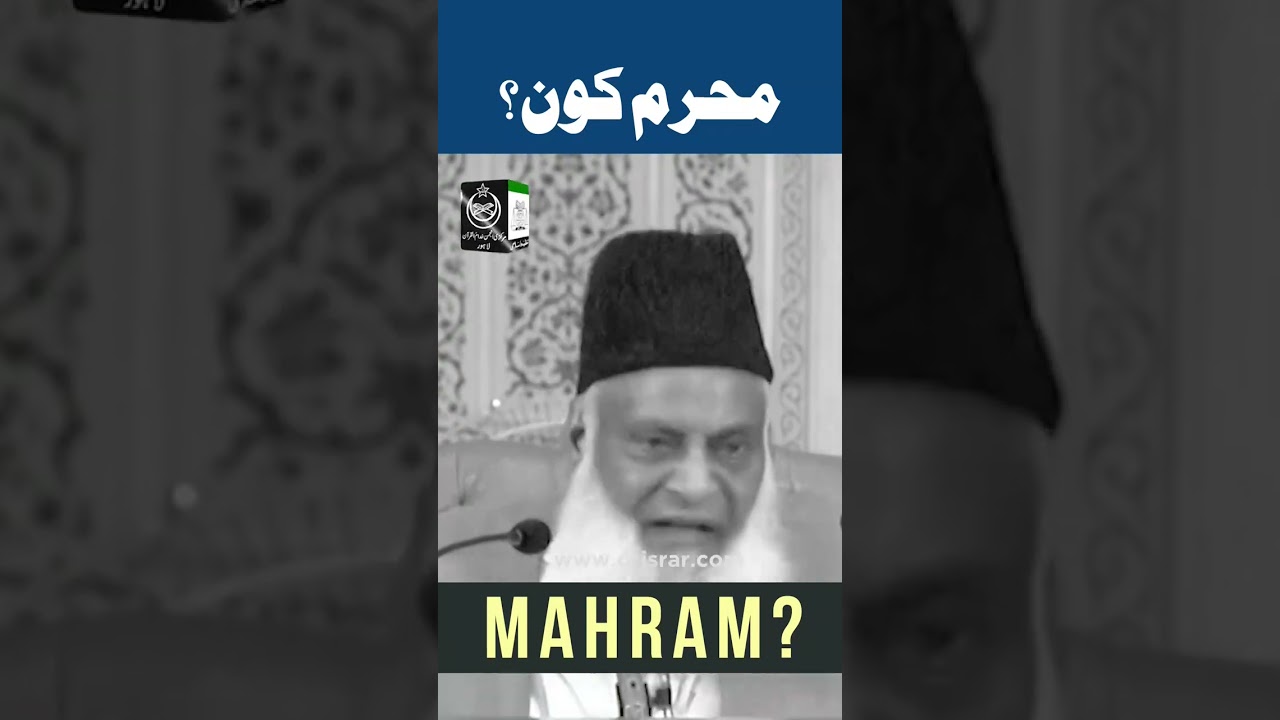
This lecture clarifies the Islamic concept of *mahram* (permanently unmarriageable relatives). It explains that a *mahram* is someone with whom marriage is absolutely prohibited in any circumstance. The discussion details that a sister’s sister is a *mahram*, but if a wife passes away, marriage to her sister becomes permissible. Similarly, a brother’s wife (*bhabi*) is a *mahram*, but marriage is allowed after the brother's death. The core point is establishing who constitutes a permanent, unmarriageable relation versus a temporary one.
58

This lecture emphasizes the importance of respectful communication among believers. It advises maintaining polite language even when responding to rudeness, avoiding mirroring negative behaviors, and prioritizing peaceful interactions. The speaker highlights Satan's intent to sow discord and animosity, urging listeners to counter this by fostering kindness and understanding. Maintaining a gentle demeanor, even in the face of provocation, is presented as a crucial aspect of Islamic ethics and a safeguard against conflict. This promotes building harmonious relationships and strengthening the Muslim community.
46
