شارٹس
This lecture discusses the proper timing for ending the daily fast (iftar) according to different Islamic schools of thought. It clarifies the disagreement between Shia and Sunni perspectives, with Shia scholars advocating for waiting until complete darkness and Sunni scholars linking it to sunset. The discussion extends to the importance of avoiding extremes – neither rushing the pre-dawn meal (sehri) nor excessively delaying iftar. It emphasizes adhering to established timings and completing the fast correctly, without unnecessary hardship or innovation. The lecture stresses the need for practical application of religious principles and cautions against unnecessary complications in observing religious rituals.

72
This lecture explores the conflict between intellect and passionate faith, using the story of Ibrahim and Nimrod as a central analogy. It argues that true devotion requires transcending rational self-preservation. The speaker emphasizes that while intellect provides guidance and direction, moments of profound commitment demand acting beyond logical calculation, fueled by unwavering belief. It highlights the importance of emotional conviction in propagating a message, even at personal risk, and asserts that intellectual analysis alone cannot drive transformative action. The lecture encourages listeners to move beyond purely rational thought when pursuing higher purposes, embracing the power of heartfelt conviction.
62
The lecture emphasizes that a lack of empathy and compassion leads to spiritual deprivation. True piety isn’t demonstrated through rituals alone, but through actively alleviating the suffering of others. One who witnesses another’s pain and possesses the means to help, yet fails to do so, forfeits blessings. Genuine faith demands shared sorrow and a commitment to easing the burdens of fellow humans. Mere observance of prayers and nocturnal worship are insufficient without accompanying heartfelt compassion and practical assistance.
57
The lecture contrasts two concepts of religion: a static view focused solely on ritual observance, and a dynamic view centered on striving for the dominance of Islam and the betterment of the world. The speaker argues that a truly devout person dedicates their energies to both earning a livelihood and working towards the elevation of Islamic values. One approach limits faith to personal piety, while the other sees it as a driving force for positive change in society. The ultimate purpose of a Muslim’s life, according to this perspective, is to contribute to the glory of Islam.
57
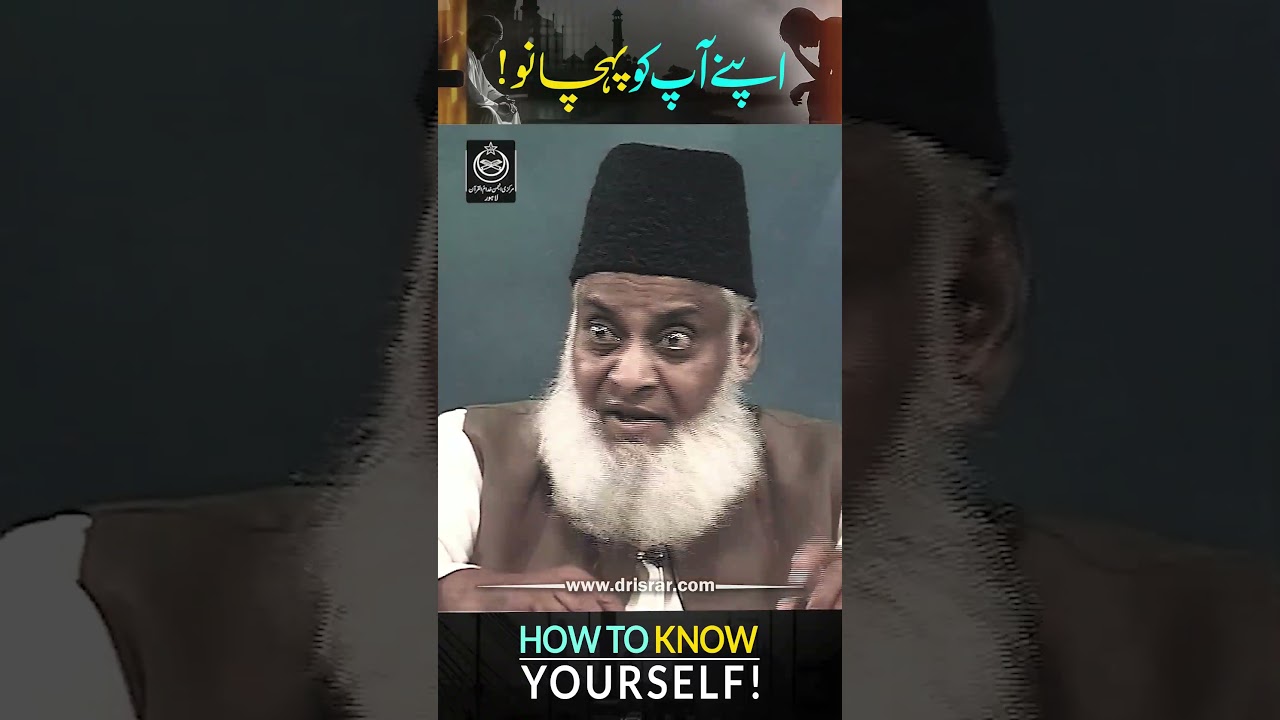
This lecture explores the concept of self-awareness and its connection to recognizing the Divine. It emphasizes that true identity lies beyond superficial characteristics and material possessions. The speaker explains that neglecting self-knowledge leads to spiritual forgetfulness and a loss of one’s true potential. Recognizing one’s inner self is presented as the key to knowing God. The discussion underscores the importance of not becoming like those who have forgotten God and, consequently, lost themselves.
75

This lecture emphasizes the importance of complete submission to God and consistently living in a state of obedience. It cautions against even a moment of disobedience, highlighting the unpredictability of death and urging constant vigilance. The speaker stresses that death can arrive at any moment, even during sinful acts, making continuous self-accountability and adherence to divine commands paramount. The message encourages a life lived with awareness of mortality and a commitment to unwavering obedience.
277
