Pantalones cortos
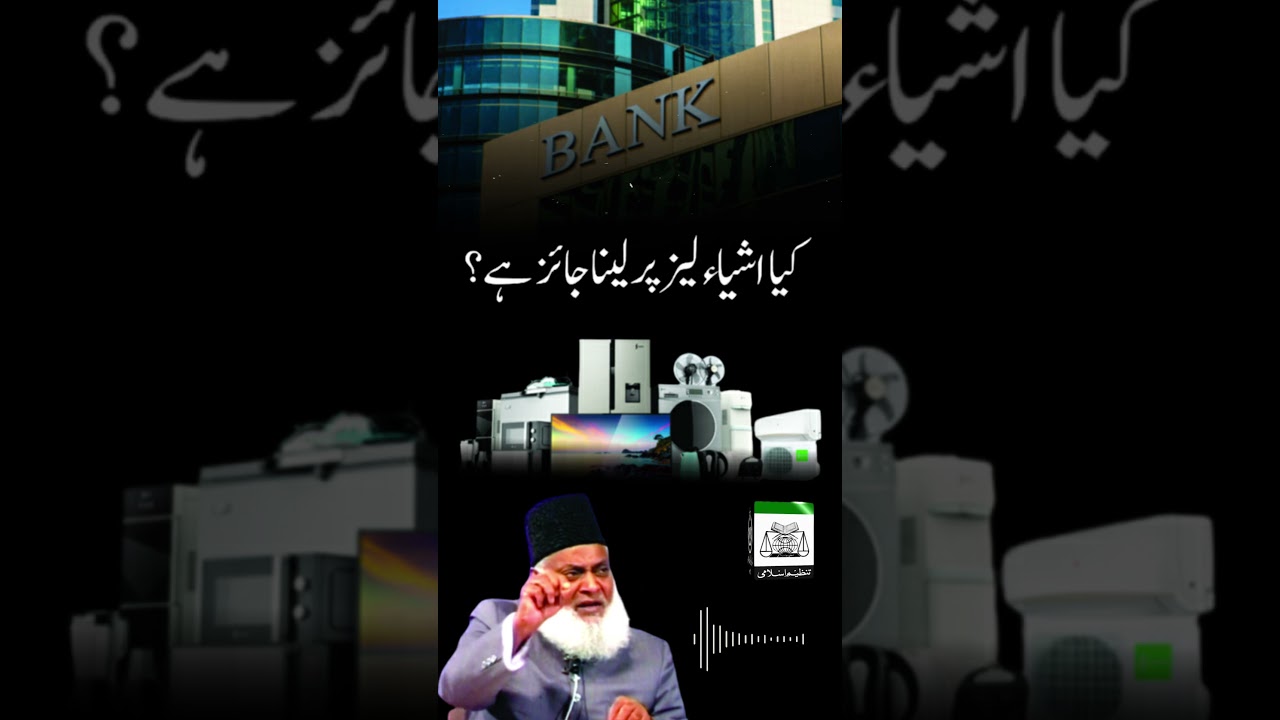
The speaker clarifies the distinction between legitimate leasing (ijara) and purchases financed through interest (riba). Leasing involves renting an asset for a specified period, with the renter paying a monthly fee and covering operational costs. In contrast, an interest-based purchase involves financing the full price of an asset over time, accruing interest on the outstanding amount. The speaker emphasizes that financing a purchase with interest, even if labeled differently, constitutes riba and is prohibited. Legitimate leasing does not involve any form of interest or profit on the asset itself, only a rental fee for its use. The discussion highlights that changing the label of an interest-based transaction does not alter its fundamentally prohibited nature.

60
This discourse emphasizes that times of hardship are often precursors to positive change and divine reward. It asserts that current difficulties are not signs of abandonment but rather tests of faith and resilience. The speaker encourages perseverance, highlighting that enduring trials will ultimately lead to a brighter future and the fulfillment of potential. The message stresses that even within darkness, the seeds of a new life are germinating, and those with insight should not lose hope in the face of adversity.
53
This lecture explores a stanza from the poem 'Sam-e-Hayat,' interpreting its metaphorical connection between the rhythm of a military funeral procession and the beating of one’s own heart as a measure of time approaching death. The speaker explains that each beat of the drum in the funeral procession brings the coffin closer to the grave, mirroring how each heartbeat brings an individual closer to their final destination. The poem's imagery highlights the transient nature of life and the inevitability of death, urging reflection on mortality.
74
True prayer transcends ritual; it’s a direct communion with God achieved when the soul awakens. This lecture emphasizes that merely performing the actions of prayer—recitation and physical movements—is insufficient. Real connection occurs when one feels present before God, experiencing a sense of humility and closeness akin to placing one’s head in God’s lap. If the soul is dormant, oppressed, or dead, genuine prayer cannot occur, regardless of adherence to schedules or outward displays of devotion. Awakening the soul and establishing direct communication with God is the essence of achieving the spiritual elevation that prayer promises.
57
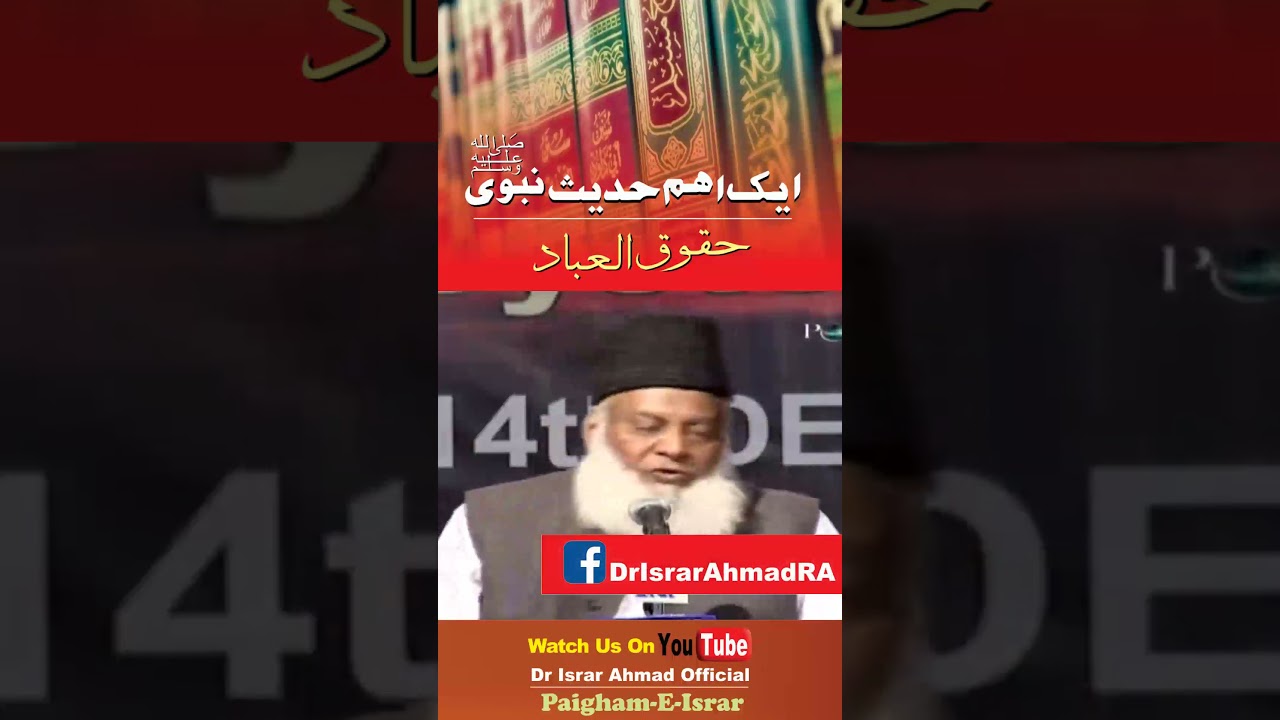
The Prophet Muhammad (peace be upon him) once asked his companions about bankruptcy. They defined it as a lack of wealth. The Prophet corrected them, stating the true bankrupt in his nation will be the one who comes with a large number of prayers, fasts, and pilgrimages, but also with the burdens of having wronged others – having insulted someone, unjustly taken their wealth, or falsely accused them. On the Day of Judgment, these wronged individuals will present their claims, depleting the bankrupt’s good deeds. If the deeds are insufficient, their sins will be transferred to them, leading to their destruction in Hell. This is the true meaning of bankruptcy – a spiritual and moral deficiency.
47

Maintaining sincerity in good deeds requires constant self-monitoring and deliberate practice. The speaker emphasizes performing acts of charity and prayer discreetly, without seeking recognition or praise. This cultivates a habit of performing good deeds solely for the pleasure of God, strengthening inner sincerity and ensuring that actions are rooted in pure intention. Consistent, unacknowledged good deeds become ingrained as a lifelong practice.
66
