Kratke hlače
Science and technology are rapidly advancing. This lecture addresses the permissibility of utilizing advancements, distinguishing between those aligned with Islamic principles (Kitab o Sunnat) and those that are neutral. It emphasizes that progress benefiting humanity should be embraced, while innovations contradicting core Islamic values should be rejected. The lecture posits that human progress is a collective inheritance, not the property of any individual, and should be guided by ethical considerations rooted in faith. Neutral advancements, permissible within an Islamic framework, can be adopted and integrated into society.

74

This lecture details the revelation of the Quran and its transmission. The Quran originated from the Preserved Tablet and the Book of Decrees, conveyed by Archangel Gabriel to Prophet Muhammad (peace be upon him). This transmission wasn't literal hearing with ears, but a direct conveyance to the heart. From the Prophet’s heart, it was then articulated through his blessed tongue to the ears of his companions, and preserved in their memories. The lecture emphasizes the trustworthiness of both Gabriel and Muhammad in preserving the divine message, highlighting that neither altered the revealed text. It draws a distinction between divine revelation and the words of poets or soothsayers, reinforcing the unique and sacred nature of the Quranic message. The Prophet’s role as a receiver and communicator of this message is also underscored.
45

The gathering of a nation within the ‘Houses of God’ – primarily mosques, but extending to any place where the remembrance of God occurs – is a source of divine tranquility. Those assembled recite and contemplate the Quran, leading to the descent of divine peace, God's mercy, and the encirclement by angels. God takes pride in these devoted individuals, acknowledging their pursuit of understanding His word. This highlights the special status of those who gather solely to comprehend divine revelation.
81

Many misconceptions exist regarding remembrance of God. A primary error is conflating *zikr* (remembrance) with the *means* of remembrance. *Zikr* is the presence of God within the heart – maintaining a connection through remembrance, love, and attachment. Simply repeating phrases like “Subhan Allah” is a *means* of remembrance, but not *zikr* itself. True *zikr* requires focused attention and presence; if the mind is preoccupied with worldly concerns while reciting, the benefit of remembrance is lost. The act itself is a tool; the connection with God is the essence.
40

Genuine success requires a balance of effort and prayer. Prayer alone is insufficient; it must be coupled with practical action. Divine acceptance of supplication is contingent upon sincere exertion and adherence to divine guidance. The lecture emphasizes that divine assistance is earned through one’s own efforts, referencing the Quranic principle that help from God comes to those who strive. The speaker critiques a reliance on mere supplication without corresponding action, highlighting the futility of prayers offered without diligent effort. The lecture stresses that divine support isn't a one-way street but a reciprocal relationship contingent upon human striving and commitment to faith.
49
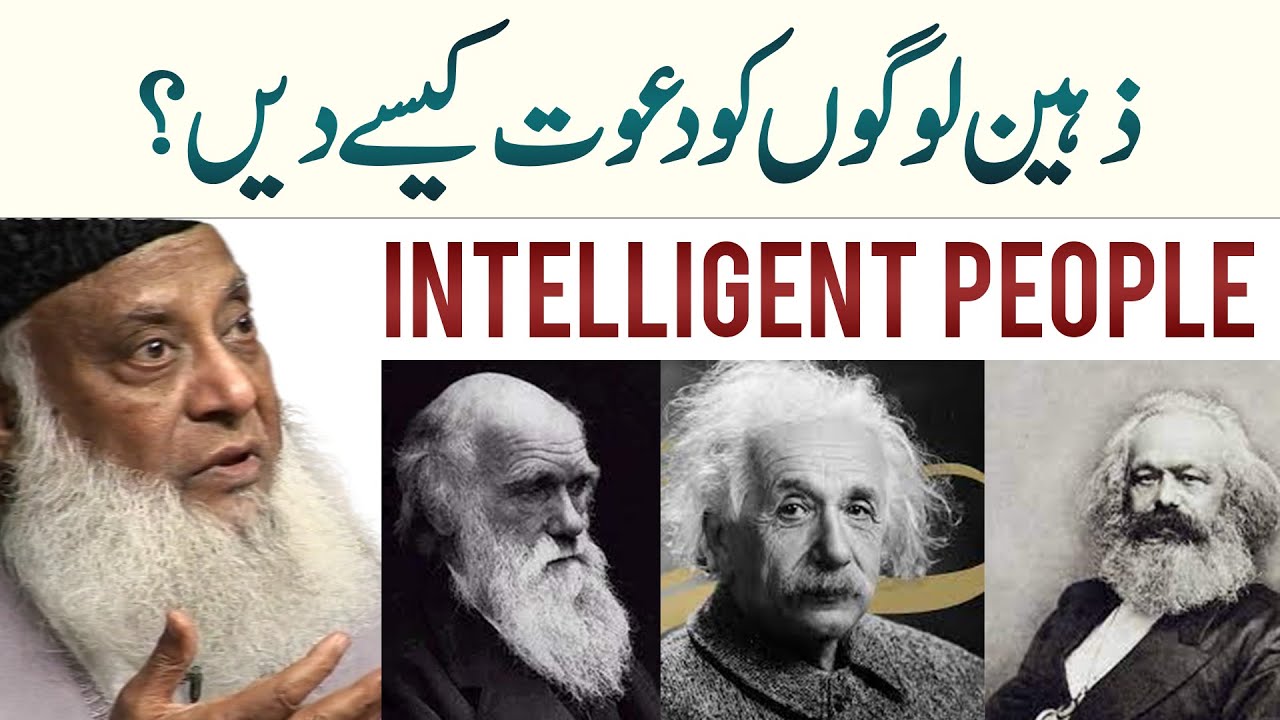
The lecture addresses the necessity of clearing the mind of conflicting ideologies, specifically Darwinian evolution and other Western philosophies, before accepting Islamic teachings. The speaker emphasizes that preconceived notions and intellectual impurities act as barriers to true understanding of religious concepts like the story of Adam and Iblis. He critiques the influence of thinkers such as Darwin, Freud, Marx, Adler, Bertrand Russell, and Sartre on contemporary thought, asserting that these philosophies obstruct a clear reception of Islamic principles. The speaker highlights the importance of intellectual purification to facilitate genuine faith and understanding.
44
