Calção
Science and technology are rapidly advancing. This lecture addresses the permissibility of utilizing advancements, distinguishing between those aligned with Islamic principles (Kitab o Sunnat) and those that are neutral. It emphasizes that progress benefiting humanity should be embraced, while innovations contradicting core Islamic values should be rejected. The lecture posits that human progress is a collective inheritance, not the property of any individual, and should be guided by ethical considerations rooted in faith. Neutral advancements, permissible within an Islamic framework, can be adopted and integrated into society.

74
This lecture details the practice of Itikaf, observed during the last ten days of Ramadan. It begins on the twenty-first night, immediately after the twentieth night concludes, and continues until the new moon of Shawwal is sighted, marking the end of Ramadan and the beginning of Eid. The discussion focuses on the proper method and significance of this devotional retreat.
162
Dr. Israr Ahmad explains that a lack of compassion and empathy leads to a deprivation of future blessings. True spirituality isn't solely defined by worship or asceticism, but by genuine concern for others' suffering. A shared experience of pain—empathy—connects individuals. Those who witness the pain of others but fail to offer assistance, despite having the capacity to do so, forfeit divine favor. The lecture stresses the importance of mutual support and shared sorrow within a community.
64
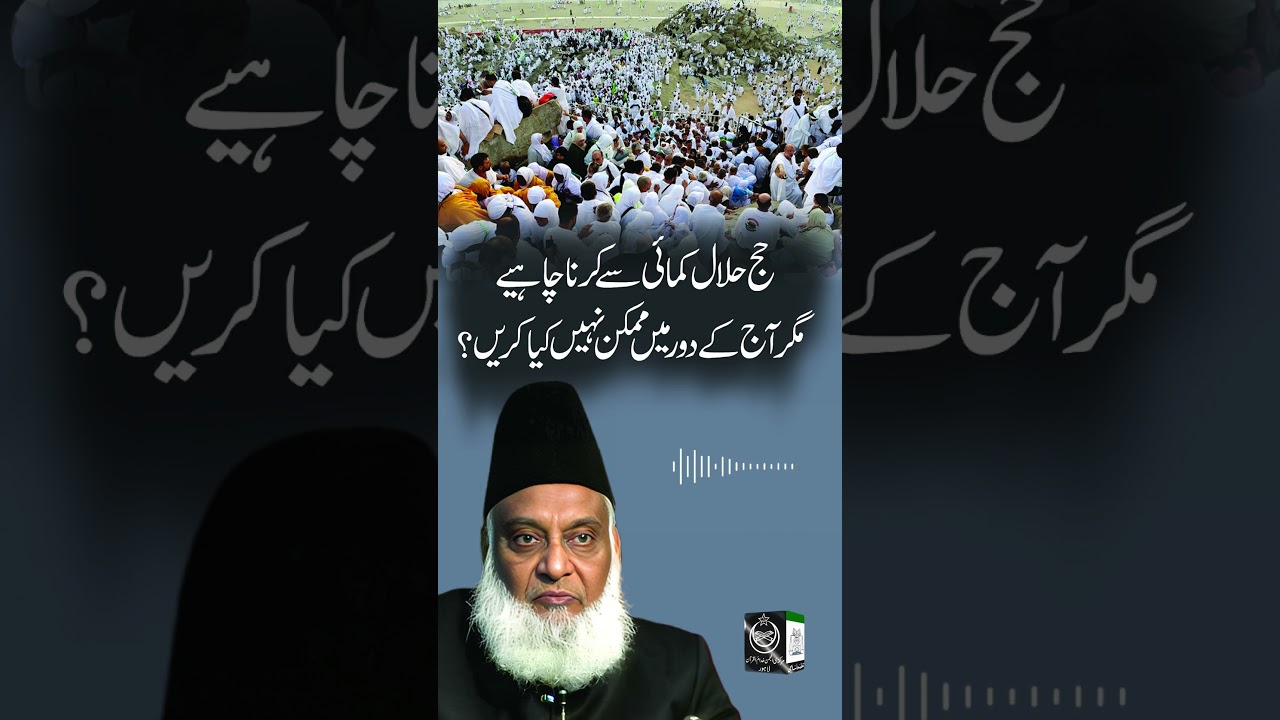
Performing Hajj and other religious obligations requires wealth earned through lawful means. Acquiring purely halal income is challenging in modern times due to pervasive indirect involvement with interest. Ambient interest exists in the air we breathe and the food we consume, which is considered a general impurity and doesn’t necessarily invalidate a transaction. Direct involvement, such as taking loans with interest to build homes or businesses, or depositing money to earn interest, is unequivocally forbidden. However, unintentional mistakes are forgivable, as God is Merciful and Pardoning. Focusing on acquiring halal income and avoiding strictly prohibited actions is paramount.
56
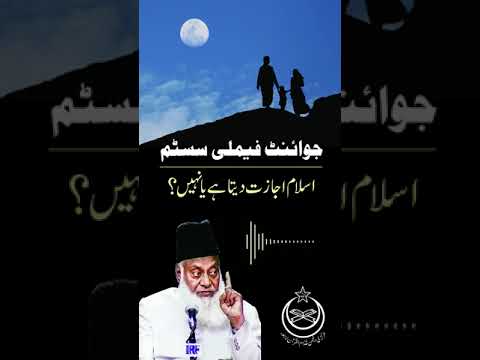
This lecture discusses the Islamic perspective on the joint family system. While there is no explicit command or prohibition in the Quran and Sunnah regarding it, adherence to Islamic principles of privacy and modesty (hijab and purdah) are crucial. The system is permissible if these principles are maintained; otherwise, it becomes problematic. Dr. Israr Ahmad explains that the core issue isn’t the system itself, but the implementation of Islamic guidelines within it. Maintaining privacy and modesty is paramount for a permissible joint family structure.
115

This lecture critiques the hypocrisy prevalent within religious observance, highlighting a focus on outward rituals while neglecting inner spirituality. It emphasizes the dangers of superficial adherence to faith, comparing it to beautifully decorated tombs concealing decay within. The speaker argues that genuine faith requires a connection to the divine, not merely outward displays of piety. The discussion extends to contemporary issues of materialism, corruption, and the loss of spiritual values, drawing parallels between past and present societal failings. The lecture underscores the importance of cultivating a sincere relationship with God and striving for inner transformation.
51
