Korte broek

This lecture emphasizes the individual responsibility to actively oppose wrongdoing. It asserts that every person has a duty to counter evil, first through direct action if capable, and if not, through vocal opposition. Remaining silent in the face of injustice is condemned as akin to supporting it, and even if unable to speak out, a strong internal aversion to evil must be maintained. The speaker warns against inviting divine wrath through inaction and complicity.

290
This lecture details the fundamental tenets of faith in Islam. It covers belief in Allah, the prophets, the final prophet Muhammad (peace be upon him), revealed scriptures including the Quran, the Day of Judgment, accountability, life after death, Paradise, and Hell. The discussion highlights the extensive treatment of these topics within the Quran, particularly in its earlier Meccan verses.
67
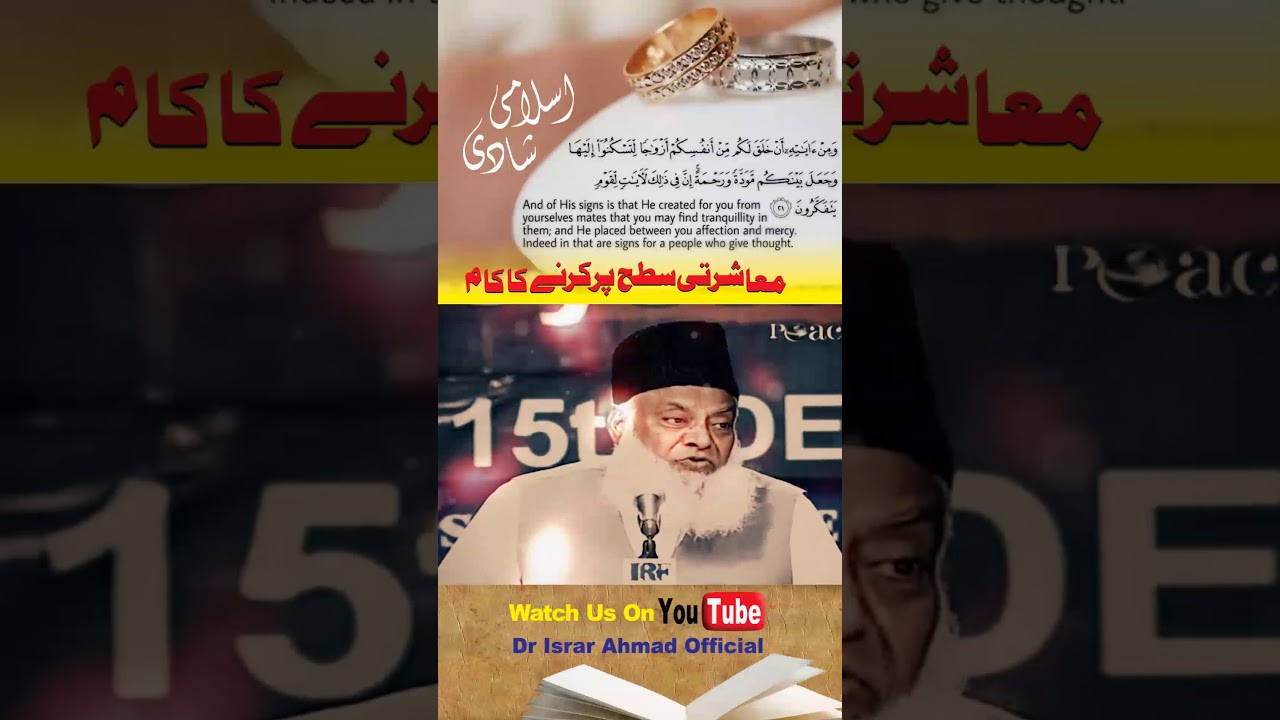
This lecture emphasizes adhering to the traditional Islamic method of marriage ceremonies, rooted in the practices of the Prophet Muhammad and his companions. It warns against incorporating innovations or customs not supported by authentic Islamic sources. The speaker stresses the importance of simplicity and rejecting practices that deviate from the established Sunnah, advocating for a return to the original, pure form of the marriage contract and celebration. Any social work related to marriage should align with these principles.
273
The Prophet Muhammad (peace be upon him) relayed a divine tradition: every act of worship benefits the individual, except fasting. Fasting is exclusively for God, and He alone will reward it directly. This emphasizes the unique nature of fasting as an act of devotion solely directed towards God, differing from other acts of worship where benefits are also reaped by the worshipper. It highlights the direct connection between the fasting person and God, and the certainty of divine recompense. The core message focuses on revitalizing the human spirit and strengthening its connection with the Divine.
52

True piety isn't demonstrated through outward acts of worship directed towards the east or west. Genuine goodness lies in sincere belief in God, the Day of Judgment, angels, scriptures, and prophets. Actions must be performed solely for the pleasure of God and the reward in the afterlife. Deeds motivated by worldly gain are mere transactions, not acts of piety. A firm faith in God and the afterlife is essential for any act to be considered truly virtuous; otherwise, it is a superficial facade, like gold plating over brass, easily stripped away. Actions lacking sincere intention are temporary and hold no lasting value.
48
This excerpt emphasizes the dangers of arrogance and pride. It highlights that boastful behavior and walking with conceit are displeasing to God. The passage explains that outward displays of power and attempts to assert dominance are ultimately futile and cannot elevate one to true greatness. True worth lies not in outward show, but in humility and recognizing one's limitations. This message reinforces similar teachings found in Surah Bani Israil, and underscores that material power and self-importance are insufficient to achieve spiritual elevation.
112
