Celana pendek

This lecture emphasizes that true faith necessitates action, striving, and sacrifice. It refutes the misconception that mere belief alone guarantees salvation or progress. The speaker argues that a life devoid of effort, dedication, and selfless contribution is ultimately futile. Genuine faith, coupled with righteous deeds, mutual encouragement towards truth, and patience in adversity, are essential for a meaningful existence and achieving success in this life and the hereafter. It stresses the imperative of continuous effort and commitment as fundamental requirements for spiritual and worldly advancement, rejecting the notion of effortless attainment.

63

This excerpt emphasizes the Quran as a profound blessing and healing from Allah. It highlights the Quran as a source of guidance, mercy, and a testament to Allah’s grace. The text stresses that true joy should stem from possessing this divine gift, as it surpasses all worldly possessions. It’s a reminder to cherish and internalize the Quran's message for lasting happiness and spiritual fulfillment.
47

This lecture emphasizes that voting is an act of entrusting responsibility, akin to appointing a trustworthy advisor. Voters should prioritize competence, integrity, and suitability when selecting representatives at all levels—from local officials to national leaders. The speaker cautions against prioritizing personal connections, nepotism, or self-interest. The selection process must ensure that chosen individuals are truly capable of serving the nation, community, and wider collective, upholding principles of justice and competence in governance. The ultimate goal is to establish an organization built on merit and dedicated to selfless service.
44
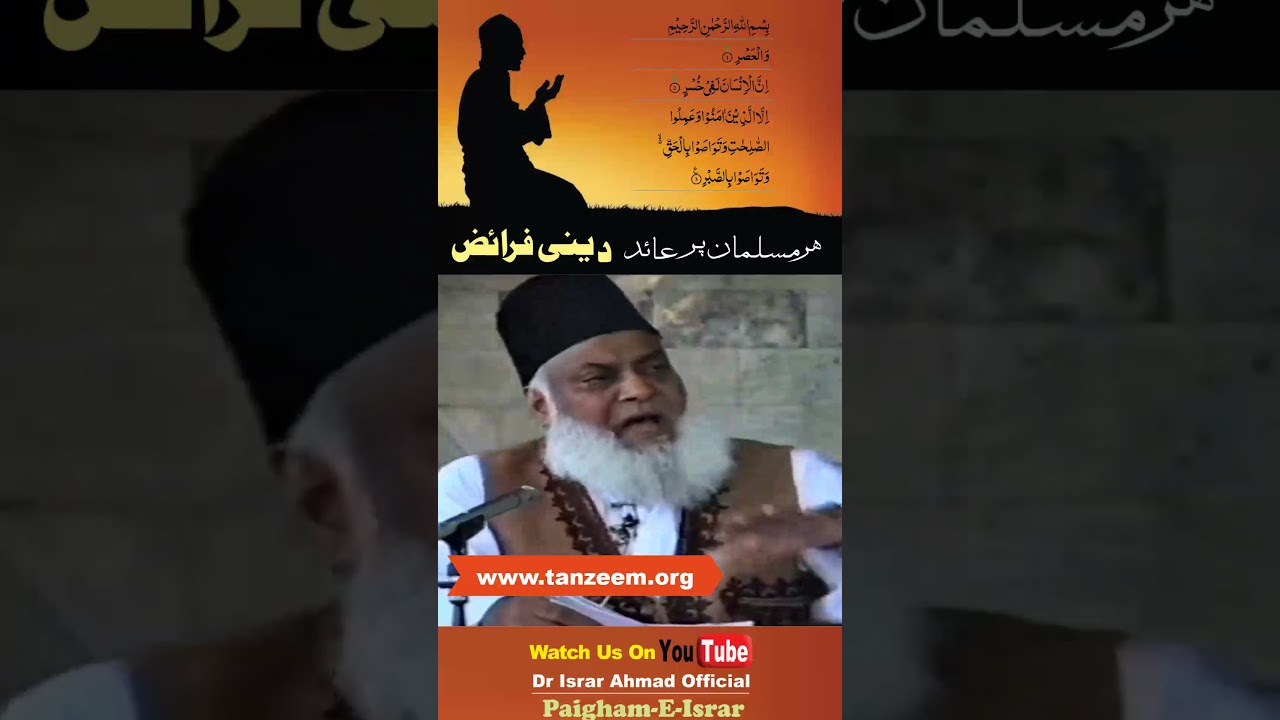
Every Muslim, regardless of location or majority/minority status, has fundamental duties transcending time and space. These encompass complete devotion and obedience to God, fueled by love. Beyond personal worship, believers are obligated to actively invite others to the faith, promoting good and forbidding evil. The highest level of responsibility is establishing religion as a complete system of life, fostering a just and righteous society. This lecture details the levels of religious obligation for every believer.
75

The Prophet Muhammad (peace be upon him) serves as the best example for those who believe in God and the Day of Judgement, and who consistently remember God. The Quran provides guidance for all, but only those who are pious and fulfill specific conditions—faith in God and the afterlife, and constant remembrance of God—will truly benefit. This lecture highlights the Prophet’s life as a complete argument for humanity. The establishment of Islam's social justice system was achieved through persistent effort, hardship, sacrifice, patience, perseverance, and resilience, not through miracles or divine comforts. The example of the Battle of Tabuk demonstrates the dedication of early Muslims, even sharing meager rations to support one another. This is the essence of the Prophet’s legacy.
65
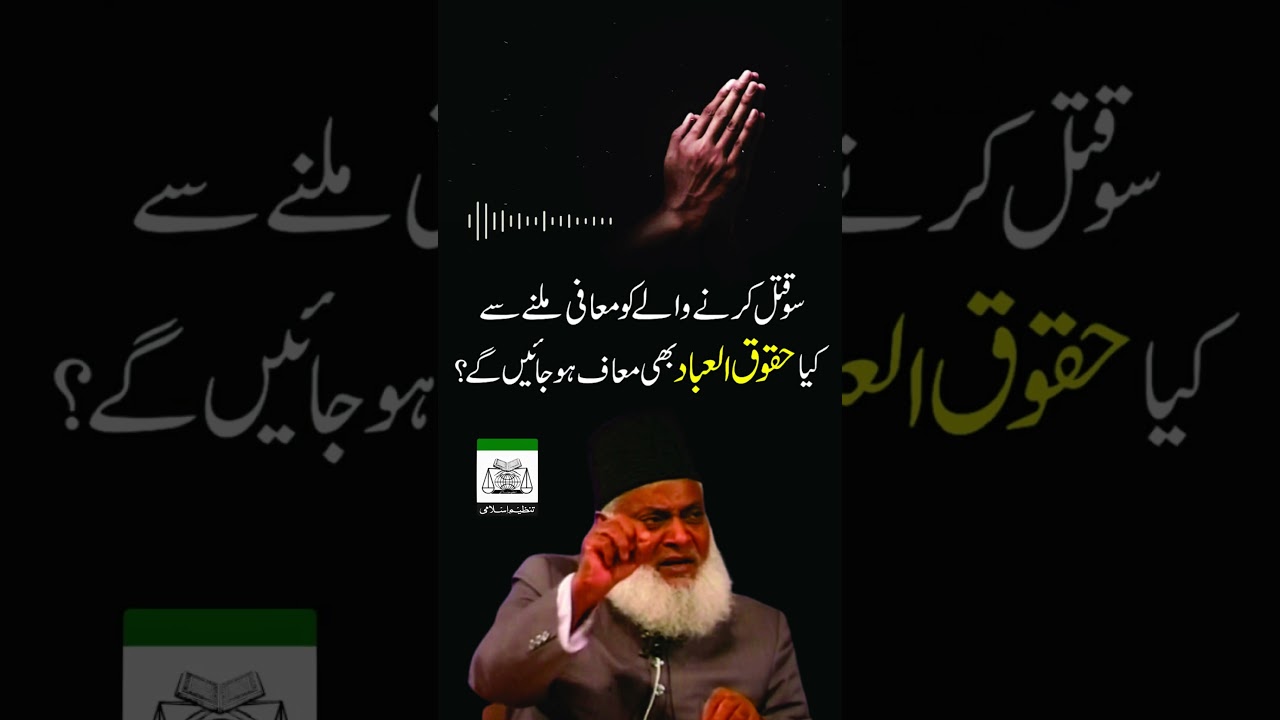
This lecture addresses the question of whether sincere repentance absolves a murderer of all consequences, both in this life and the afterlife. It clarifies that while Allah is merciful and can forgive, the rights of the victim ('diya') must be addressed. Repentance does not negate worldly justice; the perpetrator still faces legal consequences. True repentance stems from the depths of the heart and leads to divine forgiveness. Allah will compensate the victims in the hereafter from His vast treasures. The lecture emphasizes that repentance is a process, not a mere declaration, and does not exempt one from accountability for their actions.
57
